Steel Corrosion Protection & Prevention
Last Updated: September 2026
Steel is a proven durable and efficient building material that has been used since the Industrial Revolution. It is cost effective, aesthetically pleasing, sustainable, and strong. However, like all building materials, steel deteriorates over time (concrete cracks, wood rots, etc.). Therefore, it is important to consider corrosion protection methods when constructing projects with exposed steel.
There are a number of different corrosion protection systems to consider including:
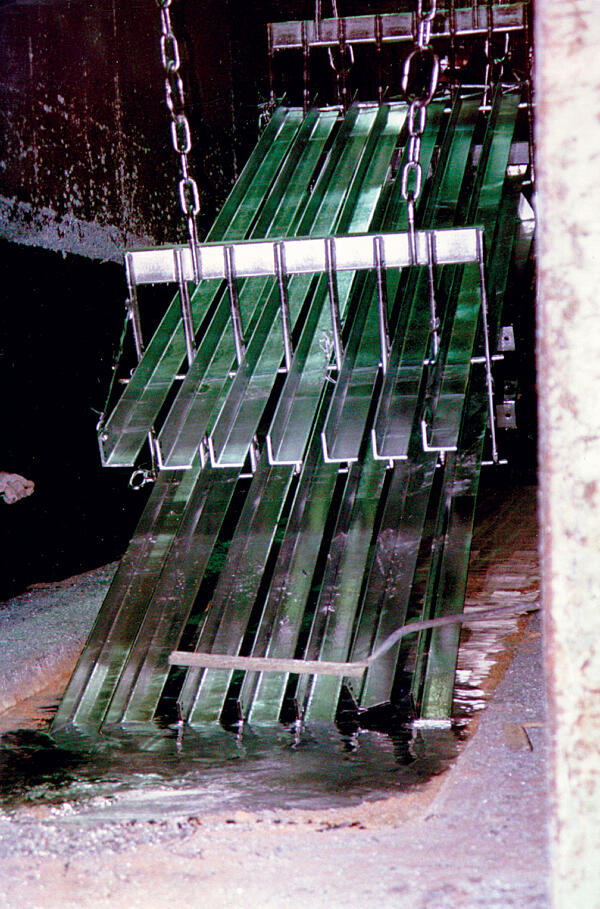
- Hot-Dip Galvanizing
- Duplex Systems
- Zinc Coatings
- Protective Coatings
- Special Steels
- Sacrificial Anodes
When evaluating these corrosion protection systems, consider how each option balances initial cost, expected service life, maintenance needs, aesthetics, and suitability for your project’s environment (atmospheric, immersion, soil, marine, or deicing salts). Hot-dip galvanizing and other zinc coatings typically provide long-term, low-maintenance protection, while painted or powder-coated systems may require more frequent inspection and repainting. Special steels and sacrificial anodes can be effective in specific environments but should be selected carefully based on exposure conditions and design life.
Learn more about why specifiers choose hot-dip galvanizing for long-term corrosion resistance. Common applications include outdoor infrastructure (bridges, poles, guardrail), agricultural machinery and buildings, and industrial facilities where long-term, low-maintenance corrosion protection is critical.
Key Factors in Selecting a Corrosion Protection System
Selecting the right corrosion protection system for steel depends on several factors, including service environment (atmospheric, immersion, soil, or splash zones), required design life, maintenance access, aesthetic expectations, and budget. Specifiers should begin by defining the structure’s exposure conditions and target service life, then compare protection systems on durability, life-cycle cost, and inspection or maintenance demands.
- Service environment (rural, industrial, marine, deicing salts)
- Required time to first maintenance
- Accessibility for inspection and repair
- Initial vs. life-cycle cost
- Aesthetic and color requirements
- Compatibility with fabrication and erection methods
For detailed guidance on selecting an appropriate corrosion protection system, see AGA’s publication Hot-Dip Galvanizing for Corrosion Protection: A Specifier’s Guide and Performance of Hot-Dip Galvanized Steel Products, which summarize decades of field performance data and comparative testing of galvanized, painted, and other coated steel systems.