
Powder Coating vs. Painting Over Hot-Dip Galvanized Steel: Why Surface Preparation Often Determines Success

When comparing powder coating and liquid paint over hot-dip galvanized (HDG) steel, discussions often focus on coating type, appearance, or service life. In practice, the success of either system depends less on the topcoat than on the condition of the galvanized surface before coating.
Most coating failures over galvanized steel can be traced to incorrect or inadequate surface preparation. This can be because of many reasons including poor communication between the galvanizer and coater, improper assessment of the substrate (HDG) condition, or failure to address outgassing and adhesion concerns. Whether the topcoat is powder or liquid paint, the goal remains the same: create a clean, properly profiled zinc surface capable of developing a durable bond with the coating.
Understanding where the preparation requirements overlap, and where they differ, helps engineers, architects, fabricators, and asset owners specify duplex systems that perform as intended.
Why Surface Preparation Is Critical for Duplex Systems
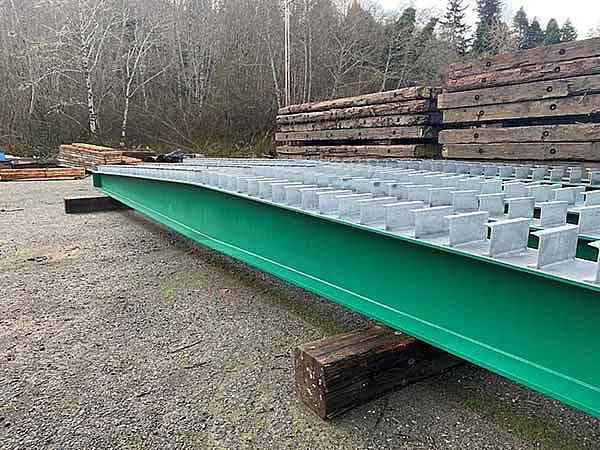
A duplex system combines hot-dip galvanizing with an organic coating such as paint or powder coating. The galvanized coating provides sacrificial corrosion protection, while the topcoat acts as a barrier that reduces zinc consumption and shields the surface from the environment.
For the duplex effect to work, the coating must remain bonded to the zinc. If adhesion fails, moisture can migrate beneath the coating and initiate underfilm corrosion, reducing performance and affecting appearance.
AGA guidance identifies several factors that influence coating adhesion on galvanized steel:
- Surface age/condition
- Zinc oxidation products
- Organic contamination
- Passivation treatments
- Surface profile
Regardless of the coating selected, preparation should remove contaminants while creating a surface suitable for long-term adhesion.
Understanding Galvanized Surface Conditions
One of the most important considerations is the condition of the galvanizing when it reaches the coating facility. Successful duplex projects begin with evaluating the galvanized surface condition before coating rather than assuming all galvanized steel requires the same preparation process.
Newly Galvanized Steel
Newly galvanized steel generally has fewer zinc corrosion products and contaminants on the surface. As galvanized steel ages, exposure to the environment can lead to the accumulation of zinc oxides, zinc hydroxides, dirt, oils, and other surface contaminants.
Both ASTM D6386 and ASTM D7803 classify ‘newly’ galvanized steel as steel galvanized within 48 hours and recommends painting within one hour after surface preparation but no later than eight hours after surface preparation.
Partially Weathered & Fully Weathered Galvanized Steel
Partially weathered galvanized steel often presents the greatest challenge because it contains enough oxidation to interfere with adhesion while still appearing visually acceptable. This is one reason coating performance can vary significantly from project to project even when the same coating system is specified. ASTM D6386 and ASTM D7803 classify galvanized steel as partially weathered if it has been galvanized more than 48 hours but less than one year prior to top coating, and states that fully weathered galvanized steel has been exposed to the elements for over one year.
Surface Preparation Requirements Common to Both Systems
Although powder coating and liquid paint have different application methods, several preparation steps are common to both.
The surface should first be inspected for visible contaminants, oxidation products, and galvanizing irregularities that could affect coating performance. Oils, dirt, and other surface contaminants must be removed using cleaning methods compatible with zinc.
Surface defects such as runs, drips, spikes, and excessive roughness may require smoothing before coating. Care should be taken to preserve the galvanized coating during these operations.
Both ASTM D6386 for paint and ASTM D7803 for powder coating emphasize the importance of surface profiling. Sweep blasting in accordance with SSPC-SP 16 is commonly specified because it cleans the zinc surface and creates a mechanical anchor profile without significantly reducing zinc coating thickness.
The objective is to lightly roughen the surface, not remove the galvanizing.
Where Powder Coating Preparation Differs from Painting Preparation
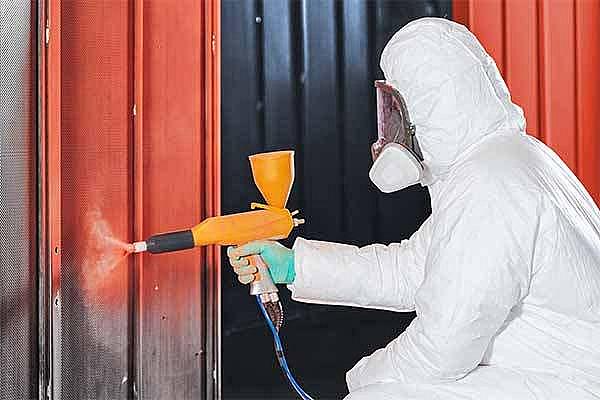
While paint and powder coating share many preparation requirements, powder coating introduces one additional challenge: heat.
Because powder coatings must be cured in an oven, the galvanized steel is exposed to elevated temperatures that can release trapped moisture or gases from the zinc coating, crevices, or fabricated details.
This phenomenon, known as outgassing, can create visible defects such as:
- Pinholes
- Blisters
- Voids
- Surface craters
For this reason, powder coating specifications typically require additional process controls that are unnecessary for most liquid paint systems.
Pre-Baking
Pre-baking heats the galvanized steel prior to coating, allowing trapped moisture and gases to escape the surface before the powder film is applied. By releasing these contaminants before cure, the risk of pinholing and blistering can be significantly reduced.
The exact temperature and duration depend on component geometry, galvanizing condition, and powder manufacturer's recommendations, but the purpose remains consistent: control outgassing before coating rather than during coating.
Cure Management
Powder coating applicators must also balance appearance and curing requirements.
Higher temperatures can accelerate production but may increase gas release from the galvanized surface. Many applicators achieve improved finish quality by reducing peak metal temperatures and extending cure duration while remaining within the powder manufacturer's specified cure window.
Generally, pre-baking should be conducted at higher temperatures than the curing oven; this temperature is typically 65 F higher than the curing oven. If the galvanized steel is run through a phosphate wash prior to powder coating, it is recommended that the pre-bake oven temperature not exceed 535 F or any such temperature threshold established by the chemical treatment manufacturer.
Why Liquid Paint Does Not Require The Outgassing Step
Liquid paint systems generally do not expose galvanized steel to the same temperatures used during powder coating cure cycles.
As a result, outgassing is rarely a concern. Surface cleanliness and profile remain critical, but painters typically do not need to incorporate pre-bake procedures or manage oven cure temperatures.
However, the absence of cure-related concerns should not be mistaken for reduced preparation requirements. Poor surface cleaning, inadequate profiling, application outside of recommended environmental windows, and incompatible treatments can still lead to adhesion failures and premature coating breakdown.
The Role of Passivation and Post-Treatments
One of the most overlooked preparation issues involves galvanizer post-treatments.
Some galvanizing operations utilize passivation treatments or quench additives that improve handling and storage performance. While beneficial in certain circumstances, these treatments can interfere with paint or powder adhesion if the coating applicator is unaware of their presence.
Early communication is recommended between the galvanizer and coating applicator whenever a duplex system is planned. Identifying coating requirements before galvanizing allows both parties to coordinate surface preparation and avoid compatibility issues later in the process.
For most duplex systems, the specification should focus as much attention on preparation as on coating selection. ASTM A123 establishes the baseline requirements for the galvanized coating. ASTM D6386 provides guidance for painting galvanized steel, while ASTM D7803 addresses preparation and application requirements for powder coating over HDG.
Regardless of the selected coating, project teams can significantly reduce risk by defining:
- The expected condition of the galvanized surface prior to painting/powder coating
- Responsibility for cleaning and profiling
- Whether sweep blasting is required
- Requirements for outgassing control
- Cure schedules for powder coating
- Acceptance criteria for adhesion and appearance
The most successful duplex system projects are those where the galvanizer, coater, fabricator, and owner understand their responsibilities before production begins. In the end, powder coating and liquid paint can both deliver durable, attractive finishes over hot-dip galvanized steel.
References
- Preparing HDG for Powder Coat
- Powder Coating Adhesion and Outgassing
- Responsibilities for Surface Preparation Prior to Painting or Powder Coating HDG
- Properly Specifying Powder Coatings Over Galvanized Steel
- ASTM D6386-22 Standard Practice for Preparation of Zinc (Hot-Dip Galvanized) Coated Iron and Steel Product and Hardware Surfaces for Painting
- ASTM D7803-19 Preparation of Zinc (Hot-Dip Galvanized) Coated Iron and Steel Product and Hardware Surfaces for Powder Coating