

Galvanized Steel vs Powder Coating vs Paint: How to Choose the Right Coating

When comparing galvanized steel, powder coating, and paint, the most effective corrosion protection system depends on the exposure environment, maintenance accessibility, and desired service life. Although all three systems can protect steel, they differ significantly in durability, maintenance requirements, repair complexity, life-cycle costs, and environmental impact.
Rather than focusing solely on initial cost, specifiers should evaluate each option based on long-term performance and ownership objectives. This guide compares hot-dip galvanizing (HDG), powder coating, and paint using an exposure-based framework and provides a practical decision matrix to help identify the most appropriate corrosion protection solution for a given application.
How Does Exposure Environment Change the “Best” Steel Coating Choice?
Exposure environment is the primary factor determining which steel coating system delivers the best long-term value. As corrosivity increases and maintenance access becomes more difficult, coating systems with longer maintenance-free service lives generally provide lower risk and lower life-cycle cost.
An exposure category is a classification of atmospheric corrosivity, such as ISO 9223 categories C2 through CX, based on environmental factors that affect corrosion rates.
Corrosion performance is governed by more than geographic location. Environmental severity is influenced by time-of-wetness, airborne chlorides, industrial pollutants, moisture retention, and localized microclimates. Time-of-wetness refers to the amount of time a steel surface remains sufficiently damp for electrochemical corrosion to occur. Chlorides from marine environments and deicing salts accelerate zinc and steel consumption, while sulfur compounds and industrial emissions increase atmospheric corrosivity.
Design details are equally important. Bolted connections, overlapping surfaces, and poorly ventilated areas can create crevice microclimates that trap moisture and contaminants. These localized conditions often experience corrosion rates significantly higher than those on adjacent exposed surfaces.
Corrosion behavior varies substantially across exposure environments. Table 1 identifies common exposure environments and the primary corrosion risks that should be considered during coating selection and specification development.
Table 1. Common Environmental Risks by Exposure Type
Environment Condition |
Primary Risk Factors |
High UV Exposure |
Chalking, fading, gloss reduction |
Heavy Abrasion |
Mechanical coating wear, impact damage |
Industrial Environments |
Chemical contaminants, sulfur compounds |
Marine/Coastal Environments |
Chlorides, salt deposition, crevice corrosion |
Deicing Salt Exposure |
Accelerated corrosion and wet-dry cycling |
Immersion Service |
Continuous moisture exposure and oxygen differentials |
Key Specification Consideration: Maintenance accessibility often drives coating selection as much as corrosion severity. Structures that are difficult, dangerous, or costly to access generally benefit from longer-term corrosion protection systems that reduce future maintenance interventions.
What Are the Environmental Impacts of HDG, Powder Coating, and Paint Over the Life Cycle?
The environmental impact of a coating system is determined by both its initial manufacturing impacts and the maintenance activities required throughout the asset's life. Systems requiring fewer recoating cycles typically result in lower cumulative environmental burdens.
During the initial coating phase, HDG, powder coating, and paint have different process requirements.
Hot-dip galvanizing uses molten zinc to form a metallurgically bonded coating that provides both barrier and cathodic protection. Paint systems typically require multiple coating layers, extensive surface preparation, and periodic maintenance throughout their service lives. Powder coating provides a durable barrier finish with attractive aesthetics and generally lower application emissions than conventional liquid coatings.
Maintenance frequency often becomes the most significant environmental differentiator. Recoating operations require labor, equipment mobilization, containment systems, transportation, energy use, surface preparation, and waste management. For transportation structures and industrial facilities, these activities can also require shutdowns, lane closures, scaffolding, or other operational disruptions.
AGA life-cycle analyses consistently demonstrate that reduced maintenance frequency significantly influences long-term ownership costs and overall project impacts because maintenance-related activities accumulate over time. The AGA Life-Cycle Cost Calculator documents these impacts through service-life and cost modeling.
In many atmospheric environments, hot-dip galvanized steel can provide decades of maintenance-free corrosion protection, reducing the need for repeated surface preparation and recoating activities. AGA’s Time to First Maintenance data indicate galvanized structural steel can provide more than 70 years before first maintenance in many atmospheric conditions.
End-of-Life Considerations
- Galvanized steel can be recycled without removing the zinc coating.
- Paint systems may require additional coating-removal considerations depending on recycling requirements.
- Powder-coated products may require additional processing depending on the recycling pathway.
- Long-lasting coatings reduce the cumulative volume of coatings, abrasives, and maintenance materials consumed throughout service life.
Life-Cycle Sustainability Insight: The most sustainable coating is often the one that minimizes maintenance interventions. Every avoided repaint cycle reduces material consumption, transportation impacts, waste generation, labor requirements, and operational disruption.
Galvanized Steel vs. Powder Coating vs. Paint Comparison
HDG generally excels where durability and maintenance reduction are primary objectives, while paint and powder coating often serve projects where color, branding, or architectural appearance are critical. Duplex systems combine both priorities.
Table 2 compares galvanized steel, powder coating, paint, and duplex systems based on environmental exposure, maintenance requirements, appearance, service conditions, and repair complexity. While each corrosion protection system can be effective when properly specified, the most appropriate solution depends on exposure environment, maintenance accessibility, and required service life. Use this comparison matrix as a starting point for evaluating steel coating systems for infrastructure, industrial facilities, commercial buildings, and transportation projects.
Table 2. Coating System Comparison Matrix
System |
Environment |
Maintenance |
Appearance |
Service Conditions |
Repair Complexity |
HDG |
Moderate to high corrosion |
Very low |
Metallic-gray finish |
Outdoor infrastructure, utilities, transport |
Low |
Powder Coating |
Mild to moderate |
Moderate |
Excellent color consistency |
Architectural applications |
Moderate to high |
Paint |
Varies by spec |
Moderate to high |
Maximum color flexibility |
Industrial and commercial use |
Moderate |
Duplex |
Severe or high-value environments |
Low |
Premium look and durability |
Aggressive exposure conditions |
Moderate |
Choosing the best coating for steel requires balancing durability, appearance, maintenance expectations, and project-specific risks. Table 3 highlights where hot-dip galvanizing, powder coating, paint, and duplex systems typically perform best, along with common limitations and maintenance triggers. This practical overview helps engineers, architects, and asset owners quickly identify the coating system that best aligns with project requirements and long-term ownership goals.
Table 3. Quick Selection Guide
System |
Best for |
Watch-outs |
Typical failure mode |
Maintenance trigger |
HDG (Hot-Dip Galvanizing) |
Structural steel in hard-to-access areas such as pipe racks, platforms, mezzanines, and outdoor process infrastructure where long service life and low maintenance are priorities |
Exposure to strong acids or alkalis outside zinc compatibility limits (pH < 4 or pH > 12.5); galvanic corrosion risks from direct contact with dissimilar metals in wet environments |
Gradual zinc coating depletion resulting in localized exposure of base steel and subsequent corrosion. |
Measured zinc coating loss approaching minimum acceptable thickness or evidence of exposed base steel |
Powder Coating |
Handrails, safety guarding, panels, and architectural components requiring aesthetics, color consistency, and moderate environmental exposure |
Edge coverage limitations, impact damage, and substrate outgassing if pretreatment is inadequate |
Chipping, cracking, or coating damage at edges and high-contact locations allowing corrosion initiation |
Visible coating damage, edge chipping, substrate exposure, or loss of appearance standards |
Paint Coating System |
Structures requiring field application, rapid color changes, touch-up flexibility, or phased installation and maintenance activities |
Environmental conditions during application, inadequate surface preparation, and reduced film build at edges and corners |
Mechanical damage or coating degradation resulting in underfilm corrosion and rust propagation |
Rust staining, coating breakdown, adhesion loss, blistering, or coating thickness below specification |
Duplex System (HDG + Paint/Powder) |
Aggressive industrial, coastal, or high-corrosion environments where extended lifecycle, reduced maintenance, and enhanced appearance are required |
Strict surface preparation requirements and proper coordination between galvanizing and topcoat application processes |
Topcoat degradation from UV exposure or mechanical damage, while underlying zinc continues to provide corrosion protection |
Topcoat wear, fading, chalking, coating discontinuities, or inspection findings indicating restoration is needed before significant zinc consumption |
Why Duplex Systems Continue to Gain Popularity
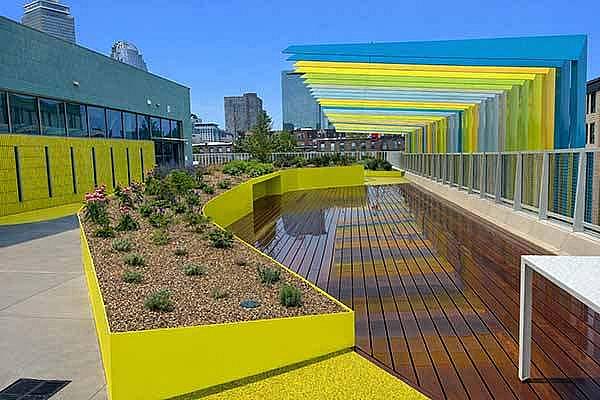
Duplex systems create a synergistic effect because the paint or powder coating slows zinc consumption while the galvanized coating provides barrier and cathodic protection beneath the topcoat. When proper surface preparation and application practices are followed, duplex systems can achieve 1.5 to 2.3 times the service life of the individual coating systems used independently. This extended service life makes duplex systems particularly attractive in aggressive environments where owners require both long-term corrosion protection and a high-quality appearance.
For proper surface preparation, follow:
- ASTM D6386 for paint over galvanized steel
- ASTM D7803 for powder coating over galvanized steel
Common Specification Pitfalls
Many coating failures result from specification shortcomings rather than coating product limitations.
Common issues include:
- Inadequate edge and corner coverage requirements
- Failure to inspect coatings for holidays, pinholes, or other discontinuities that expose bare steel
- Lack of coating thickness verification
- Ignoring crevices and moisture-retaining details
- Underestimating future maintenance access challenges
- Comparing systems solely on initial installation cost
Successful specifications address exposure conditions, inspection requirements, maintenance realities, and long-term ownership objectives.
Frequently Asked Questions
Is galvanized steel better than paint?
For many outdoor and difficult-to-access structures, hot-dip galvanizing provides a longer maintenance-free service life than paint systems. The most appropriate solution depends on exposure conditions, maintenance accessibility, appearance requirements, and project objectives. AGA’s Time to First Maintenance data indicate galvanized structural steel can provide more than 70 years before first maintenance in many atmospheric environments
Is powder coating better than galvanizing?
Powder coating and galvanizing serve different purposes. Powder coating provides excellent color consistency, finish quality, and architectural appearance. Hot-dip galvanizing generally provides superior corrosion protection and lower maintenance requirements in many outdoor environments. The most appropriate solution depends on project priorities, service conditions, and appearance requirements.
What is a duplex coating system?
A duplex system combines hot-dip galvanizing with either paint or powder coating. The topcoat provides aesthetics and additional barrier protection, while the galvanized coating provides barrier and cathodic corrosion protection. When properly designed and applied, duplex systems can provide 1.5 to 2.3 times the service life of the individual systems when used independently
Putting It Into Practice: Specify for Durability, Lower Risk, and Fewer Surprises
Successful corrosion protection specifications follow a simple process:
- Classify the Exposure Environment
- Use established corrosivity categories such as ISO 9223 and account for site-specific factors including chlorides, condensation, crevices, and industrial contaminants.
- Establish a Realistic Maintenance Strategy
- Evaluate access requirements, inspection frequency, operational constraints, shutdown windows, and owner expectations.
- Select the Appropriate Coating System
- Choose the system that aligns with durability requirements, appearance goals, maintenance capabilities, and acceptable project risk.
For detailed side-by-side comparison of durability, service life, performance characteristics, and life cycle costs, see AGA’s resource: Hot-Dip Galvanized Steel vs. Paint Publication.
For project-specific scenario modeling, consult the AGA Life-Cycle Cost Calculator, which compares galvanizing, duplex systems, and other corrosion protection alternatives using service environment and project life assumptions.
The decision rule remains straightforward: exposure severity, maintenance access, and risk tolerance should govern coating selection. Where the consequences of corrosion are significant and maintenance access is limited, properly specified hot-dip galvanizing and duplex systems frequently provide the most reliable, cost-effective, and sustainable long-term outcome.