
Innovations in the Hot-Dip Galvanizing Industry: Improving Performance, Predictability, and Sustainability

Innovation in the hot-dip galvanizing industry is rarely defined by a single breakthrough technology. Instead, the most meaningful advances improve corrosion performance, increase coating consistency, extend service life, and reduce life-cycle costs for owners and specifiers.
Improved process controls, enhanced quality assurance systems, data-driven manufacturing practices, and sustainability initiatives are helping galvanizers provide greater value without fundamentally changing the proven corrosion protection mechanism that has protected steel for more than 150 years.
For engineers, owners, and fabricators, the most significant innovations are those that reduce uncertainty. Whether the concern is coating performance on reactive steels, maintenance planning, environmental compliance, or long-term asset management, modern galvanizing practices increasingly emphasize predictability and measurable performance.
Service-Life Prediction Is Transforming Asset Management
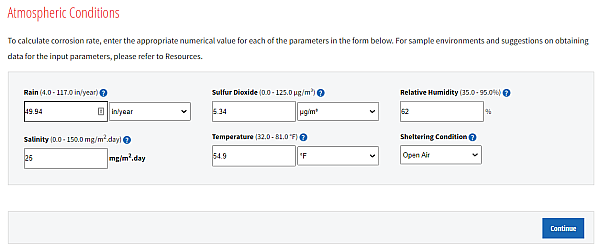
One of the most significant advancements affecting galvanized steel today is the ability to better predict long-term corrosion performance.
Historically, many specifications focused primarily on coating thickness requirements. While coating thickness remains important, owners increasingly evaluate corrosion protection systems based on expected service life and life-cycle costs rather than initial material costs alone.
The American Galvanizers Association's service-life resources allow engineers to estimate corrosion performance using decades of atmospheric exposure data and internationally recognized corrosivity classifications. By understanding the relationship between environment and zinc corrosion rates, project teams can make more informed decisions about maintenance planning, inspection intervals, and long-term ownership costs.
This shift from thickness-based thinking to lifecycle-based thinking represents one of the industry's most important innovations because it helps owners optimize corrosion protection based on actual performance expectations.
Service-life prediction is particularly valuable for:
- Transportation infrastructure
- Utility transmission and distribution assets
- Industrial facilities
- Water and wastewater systems
- Renewable energy projects
- Long-life architectural structures
For many owners, the ability to forecast maintenance requirements decades into the future is more valuable than incremental changes in coating chemistry or manufacturing methods.
Process Improvements Continue to Increase Coating Consistency
Modern galvanizing plants continue to improve quality through tighter control of pretreatment, bath chemistry, immersion conditions, and post-treatment processes.
Refining proven practices typically provide more gains than introducing entirely new technologies. Better process discipline helps reduce variability, minimize rework, and improve overall coating consistency.
Key areas of focus include:
- Pretreatment control
- Flux management
- Kettle temperature monitoring
- Bath chemistry management
- Post-treatment verification
- Handling and material movement practices
For project teams, these improvements translate into more predictable coating thickness, fewer production delays, and reduced schedule risk.
Pretreatment remains particularly important because proper cleaning and surface preparation directly influence coating formation and adhesion. Plants that maintain consistent pretreatment procedures often experience lower reject rates and improved coating quality across a broader range of fabricated steel products.
Likewise, enhanced bath management helps galvanizers maintain uniform coating growth while minimizing defects associated with dross formation, ash generation, or excessive coating thickness.
The practical result for fabricators and owners is a more repeatable process that delivers consistent performance while reducing unexpected project delays.
Digital Quality Assurance Is Improving Traceability
Data-driven quality control is becoming increasingly common throughout the galvanizing industry.
Rather than relying solely on periodic inspections, many galvanizers now utilize digital recordkeeping, process monitoring systems, and statistical quality management practices to identify trends before they affect production.
Common applications include:
- Temperature monitoring
- Thickness measurement tracking
- Calibration management
- Maintenance scheduling
- Process documentation
- Job traceability
These systems help galvanizers identify variation sooner and provide better documentation to project owners.
The greatest value of digitalization is not automation for automation’s sake. Instead, it is the ability to connect production variables to finished product quality and continuously improve process consistency over time.
For engineers and specifiers, stronger traceability also improves confidence that coatings meet applicable ASTM requirements and performance expectations.
Sustainability Initiatives Are Reshaping Industry Practices
Sustainability has become a major driver of innovation across the construction and infrastructure sectors, and galvanizing is no exception.
Many galvanizers continue to invest in technologies that reduce environmental impacts while maintaining coating performance and durability. Examples include:
- Improved acid management systems
- Enhanced fume and mist collection
- Water recycling programs
- Energy-efficiency initiatives
- Chromate-free passivation systems
- Waste minimization programs
Importantly, many of these improvements also enhance process consistency and product quality.
The sustainability advantages of galvanized steel extend well beyond manufacturing. Because galvanized coatings can provide decades of maintenance-free protection, they help reduce the environmental impacts associated with repair, repainting, replacement, and ongoing maintenance activities.
Both steel and zinc are widely recycled materials, further supporting circular-economy objectives and reducing resource consumption over a structure's life cycle.
As environmental product declarations (EPDs), lifecycle assessments, and ESG initiatives become increasingly influential in procurement decisions, galvanized steel's durability and recyclability continue to provide meaningful advantages.
Duplex Systems Expand Protection Options
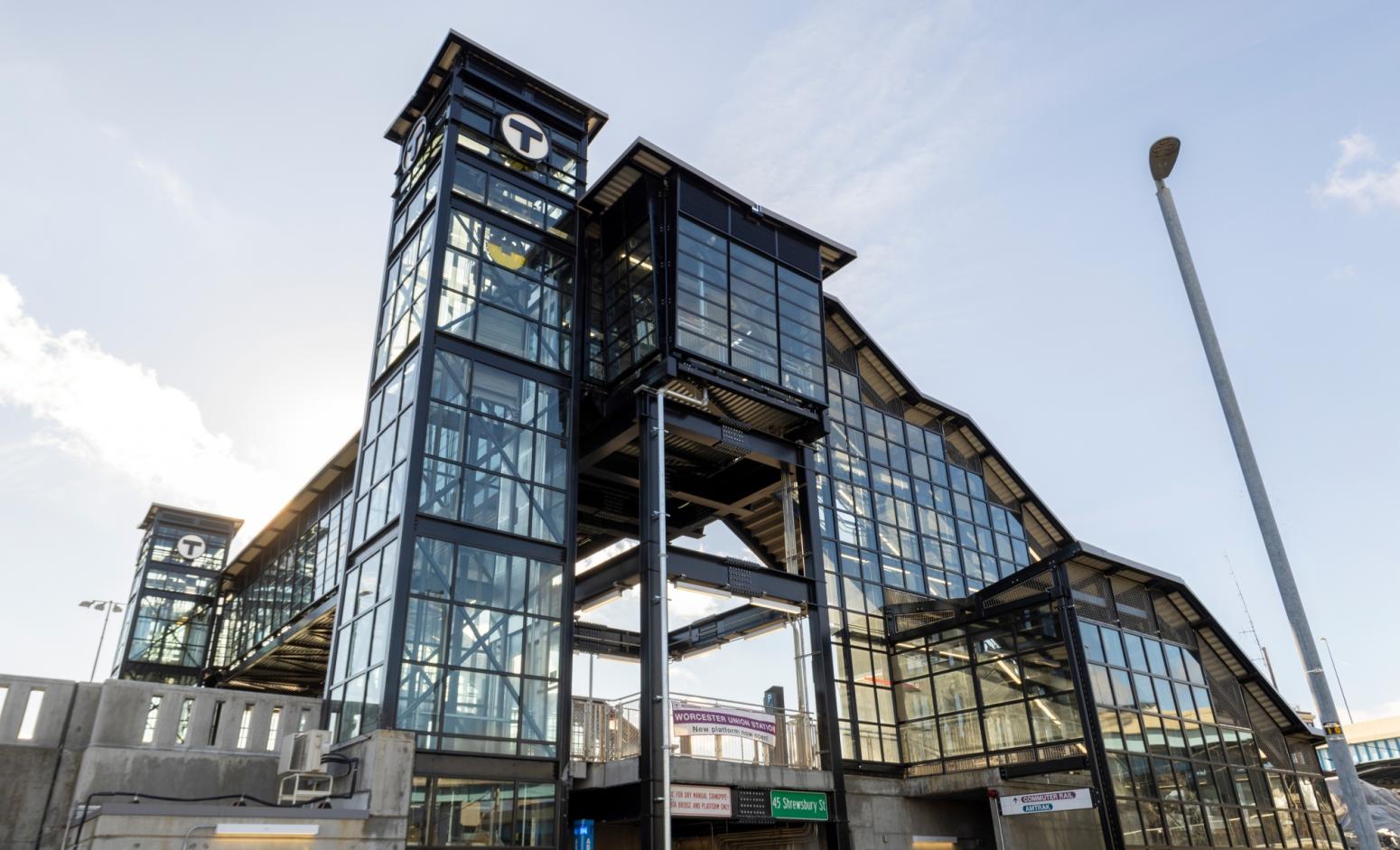
Another important industry trend is the growing use of duplex systems. A duplex system combines hot-dip galvanizing with an additional paint or powder coating. The galvanizing layer provides cathodic protection while the topcoat provides barrier protection and aesthetic flexibility.
Because the two systems work together, duplex coatings often provide significantly longer service life than either protection method operating independently.
Duplex systems are increasingly specified for:
- Bridges
- Coastal infrastructure
- Water treatment facilities
- Utility structures
- Architectural applications
- Transportation assets
As asset owners seek to extend maintenance intervals and maximize return on investment, duplex systems continue to gain acceptance as one of the most effective long-term corrosion protection strategies available.
Evaluating Innovation Through a Life-Cycle Lens
When evaluating new methods and technologies, engineers should begin with a simple question:
Does the innovation improve long-term performance, predictability, or life-cycle value?
The most successful innovations in galvanizing typically share three characteristics:
- They improve performance.
- They increase process consistency.
- They support long-term sustainability goals.
Whether the technology involves improved pretreatment controls, digital process monitoring, enhanced environmental systems, or expanded lifecycle modeling capabilities, its value should ultimately be measured by its contribution to durable, reliable corrosion protection.
For that reason, project teams should focus less on individual technologies and more on demonstrated outcomes such as service life, maintenance requirements, inspection records, and life-cycle cost performance.
Looking Ahead
The future of hot-dip galvanizing will likely be defined by increasing demands for durability, sustainability, and data-driven decision making.
Service-life prediction tools, stronger quality management systems, expanded environmental reporting, and improved lifecycle analysis methods will continue to influence how corrosion protection systems are selected and specified.
For owners and engineers, the goal remains unchanged: maximize asset life while minimizing maintenance costs and operational risk. The technologies generating the greatest value are those helping the industry achieve that objective more consistently and more efficiently than ever before.
References
- AGA Service Life Prediction Resources
- AGA Life-Cycle Cost Calculator (LCCC)
- AGA Duplex Systems Guide
- AGA Sustainable Development Resources
- AGA Inspection of Hot-Dip Galvanized Steel
- ASTM A123/A123M
- ASTM A153/A153M
- ASTM A767/A767M
- AGA 2025 Process Survey