
Galvanized Steel in Water Environments: Where HDG Excels

Introduction
Water is one of the most challenging environments for any corrosion protection system because no two water sources are exactly alike. Freshwater, seawater, treated drinking water, wastewater, and industrial process water can differ significantly in chemistry, temperature, dissolved oxygen content, and flow characteristics.
As a result, the question is not whether hot-dip galvanized (HDG) steel performs well in water, but rather which water conditions support long-term performance. Factors such as pH, hardness, temperature, dissolved gases, chlorides, and agitation all influence the corrosion rate of zinc in water service. Understanding these variables helps owners, engineers, and asset managers identify where galvanized steel provides the greatest value and service life.
Which water environments are best-suited to galvanized steel
Hot-dip galvanized steel generally performs best in neutral-to-moderately alkaline freshwater environments with moderate to high hardness, limited chloride concentrations, and moderate temperatures. These conditions promote the formation of protective surface films that reduce zinc corrosion over time.
The most favorable water environments for HDG are typically hard freshwater systems with near-neutral pH, moderate alkalinity, low chlorides, and temperatures below roughly 50-60°C (122-140°F).
HDG water exposure refers to hot-dip galvanized steel that is immersed in water or subjected to repeated wetting, splashing, or tidal contact over an extended period.
The reason galvanized steel performs better or worse in certain waters comes down to surface chemistry. In atmospheric environments, zinc gradually develops a protective patina through alternating wet and dry cycles. Underwater, the atmospheric patina cannot form in the same way. Instead, performance depends on whether the water chemistry allows insoluble corrosion products and mineral scales to develop on the zinc surface.
Moderately hard and hard waters often contain sufficient calcium and magnesium ions to promote the formation of protective carbonate-based scales. These deposits act as a barrier between the zinc coating and the surrounding water, slowing corrosion and extending service life. Industry experience and field data consistently show that hard water is typically less corrosive to galvanized steel than soft water.
Water Environment Comparison
Environment |
Typical Conditions |
Key Corrosion Drivers |
Relative Risk for HDG |
Hard Freshwater |
Moderate pH, moderate-to-high hardness, lower chlorides |
Limited aggression, protective scale formation |
Low |
Wastewater |
Variable chemistry, moderate contaminants, condensation, corrosive gases |
Water chemistry, oxygen concentration, contaminants, acidic condensates, moisture cycling |
Higher for clarifiers; Low for ancillary components not submerged |
Marine Splash Zone |
High chlorides, frequent wet/dry cycling |
Chlorides, aeration, scale removal |
Higher |
Freshwater applications represent some of the most successful water-related uses of galvanized steel when water chemistry is favorable.
Performance typically improves when freshwater contains:
- Moderate-to-high hardness, which provides calcium and magnesium ions that help form protective scales on the zinc coating.
- Adequate alkalinity, which supports the formation of stable carbonate corrosion products.
- Low chloride concentrations, reducing aggressive attack on the zinc surface.
- Moderate temperatures, which help maintain stable protective films.
Galvanized steel can achieve a long service life in many freshwater environments when these conditions are present.
Wastewater
Wastewater structures are often discussed as a single exposure category, but corrosion conditions can vary dramatically within the same facility.
Although there have been several cases where hot-dip galvanizing has performed suitably for wastewater clarifiers and wastewater treatment facilities where the coating is in direct contact with the water, this environment is potentially very corrosive. Determining pH, hardness, total dissolved solids, and temperature can assist in determining a general corrosion rate for components in direct contact with the water. However, the nature of wastewater means the water composition is ever changing. This makes predicting the performance of hot-dip galvanizing challenging (if at all possible). It has been experienced that the same design with similar feed waters can have variable performance. Some galvanized coatings perform greater than 10 years while others have failed within only a couple of years.
Despite these challenges, hot-dip galvanizing is very suitable to protect ancillary components which are not submerged or in constant contact with the wastewater or treated water. This distinction is important because a structure may contain both favorable and unfavorable environments only a few feet apart.
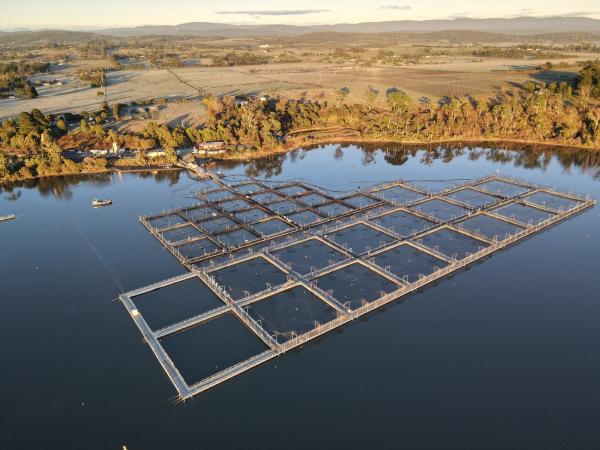
Marine Splash Zones
Marine immersion and marine splash conditions should not be considered equivalent.
In splash zones:
- Salt deposits continuously introduce chlorides to the galvanized surface.
- Wetting and drying cycles repeatedly expose fresh zinc.
- Wave action and spray can remove protective surface deposits before they become fully established.
- High oxygen availability accelerates corrosion reactions.
Wash zones, splash zones, and tide lines are among the most corrosive water-related environments for galvanized steel because protective scales are regularly removed and fresh zinc is continually exposed.
Temperature Consideration: Corrosion rates generally increase as water temperatures rise. Above approximately 50-60°C (122-140°F), zinc corrosion behavior can change significantly, making temperature a critical design consideration for water systems.
Water Chemistry and Hydraulics
The most important factors influencing corrosion of galvanized steel in water are pH, hardness, alkalinity, chlorides, dissolved oxygen, temperature, and flow conditions. These variables determine both the corrosion rate of zinc and the stability of protective surface films.
Corrosion of galvanized steel in water is the electrochemical dissolution of the zinc coating resulting from its interaction with water chemistry, dissolved species, oxygen levels, and environmental conditions.
Several factors deserve particular attention during design and material selection:
- pH: Zinc exhibits its lowest corrosion rates in water with a pH generally between 5.5 and 12. Corrosion rates increase substantially in more acidic or highly alkaline conditions.
- Hardness and alkalinity: Waters containing calcium, magnesium, carbonates, and bicarbonates often allow protective scales to form on the galvanized surface. As a result, hard water is generally less corrosive than soft water.
- Chlorides and sulfates: Higher concentrations of aggressive ions can increase zinc dissolution and disrupt protective corrosion products.
Hydraulics also play a significant role. Increased water velocity, turbulence, and agitation can physically remove protective films before they fully develop. At the same time, aeration introduces additional dissolved oxygen, which can accelerate corrosion reactions. This explains why splash zones and highly agitated water environments often experience higher corrosion rates than calm immersion conditions.
When to Consider a More Thorough Evaluation
Galvanized steel performs well across many water applications, but some environments require additional evaluation or supplemental protection to maximize service life. These conditions generally interfere with the formation or retention of the protective films that normally slow zinc corrosion.
1. Soft, Low-Alkalinity Freshwater
Soft waters often contain insufficient calcium, magnesium, and carbonate content to form protective scales. These waters are typically more corrosive to galvanized steel than hard waters.
2. Hot Water Systems (>60°C)
Elevated temperatures can increase corrosion rates and alter zinc corrosion behavior. For continuous hot water exposure, engineers and designers should carefully evaluate operating temperatures.
3. Wastewater Immersion
Some galvanized coatings perform greater than 10 years while others provide a service life of only a couple of years.
4. Marine Splash Zones
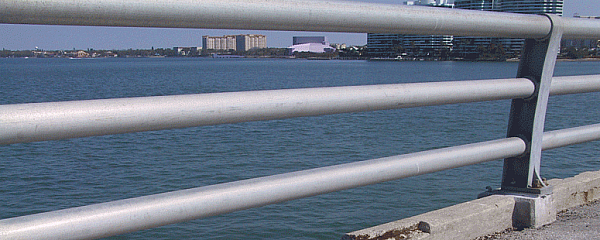
Marine splash exposure combines chlorides, oxygen, agitation, and repeated wet/dry cycling into a single environment. Although these environments add to the risk of corrosion, hot-dip galvanized steel still offers relatively strong protection, especially when supplements by another coating. Duplex systems are one method used to provide an additional layer of barrier protection and may be warranted depending on the required service life.
When Specifying Galvanized Steel in Water Projects:
- Evaluate the water's pH, hardness, alkalinity, chloride concentration, temperature, dissolved oxygen content, and flow regime.
- Identify the actual exposure condition, whether it is continuous immersion, intermittent wetting, splash exposure, condensation, or tidal service.
- Review available water analyses and compare site conditions with documented performance data and galvanizing guidance.
The practical takeaway is straightforward: galvanized steel generally provides its strongest performance in neutral, moderately hard, low-chloride waters where protective scales can develop and remain intact. When water becomes hotter, softer, more saline, or more heavily agitated, HDG may still be suitable but corrosion rates may noticeably increase. For critical infrastructure and long-life assets, evaluate both water chemistry and exposure category before finalizing material selection.
References
- https://galvanizeit.org/knowledgebase/article/the-performance-of-hot-dip-galvanized-steel-in-water-environments
- https://galvanizeit.org/hot-dip-galvanizing/how-long-does-hdg-last/in-water/water-corrosion-data
- https://galvanizeit.org/knowledgebase/article/water-hardness-effect-to-galvanized-steel-corrosion-in-water