
HDG Coating Repairs when Specifying Duplex Systems (A780)


When specifying a duplex system over HDG, what HDG repair materials are compatible?
When a duplex system of paint or powder coating is specified over a hot-dip galvanized (HDG) coating, incompatibility issues can arise between galvanizing repair materials such as zinc-rich paint and the subsequent coating. While some galvanizers provide in-house duplex system services, many do not, meaning industry standards affecting surface preparation responsibilities are divided among multiple parties where coating system compatibility may be overlooked. Even if the galvanizer is informed fabricated items will later receive a duplex coating, galvanizers lack the specific expertise to advise on the coating system to be applied. However, this concern is easily avoided with planning and clear communication.
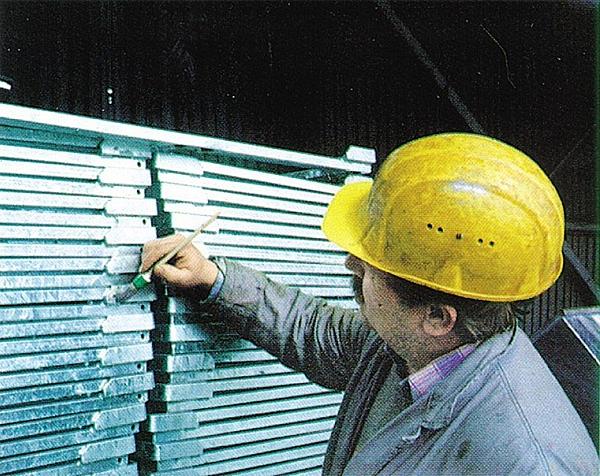
ASTM A780/A780M describes three acceptable materials for touch-up and repair of HDG: zinc-rich paint, zinc-based solder, and zinc thermal spray (metallizing). Although there are pros and cons to each repair material, a successful and durable repair is achieved regardless of material at the galvanizing plant or in the field. Unless otherwise agreed or informed, galvanizing standards such as ASTM A123/A123M permit the galvanizer to select any material meeting the requirements of ASTM A780/A780M.
This means project specifications for Duplex Systems should address re-coating intervals and chemical compatibility with HDG repair materials to define any additional requirements around repair materials which are acceptable according to ASTM A780/A780M but may be incompatible or impractical with the specified liquid coating system. Any additional requirements, restrictions, or material preferences for zinc-rich paint should be clearly communicated to all contracting parties to avoid confusion or costly rework. As there are many zinc-rich paint products available meeting the requirements of A780/A780M, sourcing a compatible material is not normally an issue when planning and communicating ahead of time.
The primary concerns are compatibility with the subsequent coating and achieving re-coating intervals after repair material application using zinc-rich paint. In some cases, fillers such as caulk or putty are also used to smooth indentions, gouges, or other surface irregularities in preparation for painting. These materials should be similarly evaluated. The liquid coating manufacturer(s) should be consulted to confirm compatibility of all repair materials and fillers with the final coating system. Product data sheets should also be reviewed for surface preparation requirements and recoat intervals.
Compatibility and re-coating intervals are not a known concern where zinc-based solders or zinc thermal spray are used for repair provided a sealer is not applied to the zinc thermal spray. However, specifiers of duplex systems who are only interested in specifying zinc-based solders or zinc thermal spray should still consider the above considerations for zinc-rich paint. This is because zinc-based solder and thermal spray zinc are not practical on certain surfaces because of application constraints. Overhead areas, edges, recessed areas, or otherwise inaccessible locations can make these methods difficult or unsafe to use. Even for projects where solder or thermal spray zinc are required or preferred, it is reasonable for galvanizers and other contractors to request the use of zinc-rich paints for a minority of surfaces where those methods cannot be reasonably or practically applied.
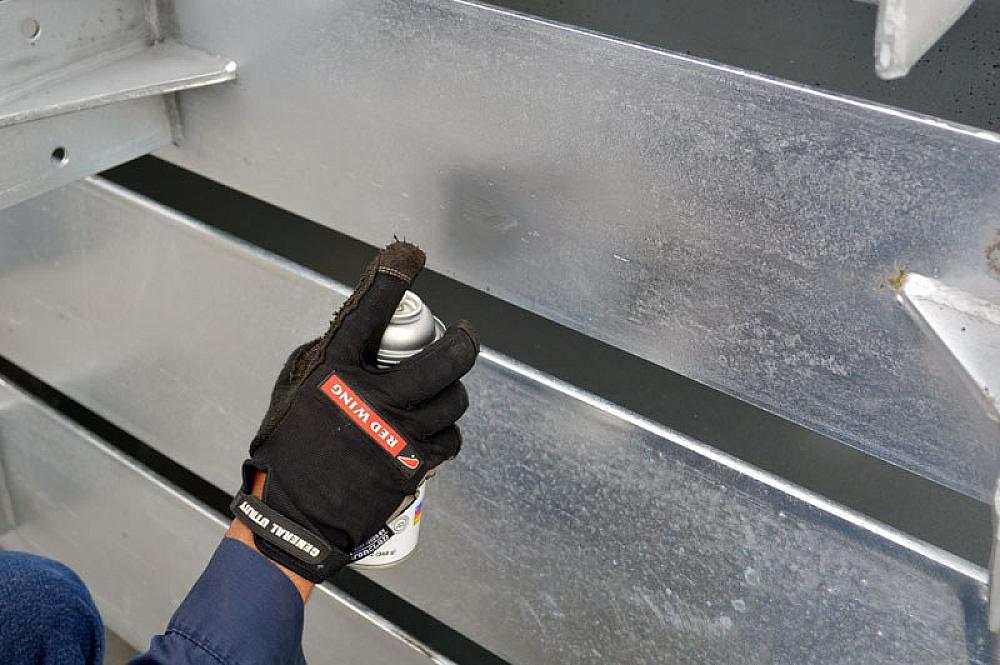
For projects where the coordination of two separate parties (galvanizer and liquid coating applicator) makes it impractical to meet the specified re-coating windows, it may be practically necessary to agree on whether the galvanizer or liquid coating applicator should apply HDG repairs using zinc-rich paint. For example, some project owners maintain or publish approved product lists or supplemental requirements for galvanizing repair materials for Duplex Systems that apply at the galvanizing facility, the jobsite, or both. These requirements should be reviewed by galvanizers and contractors before repairs begin, as some owners restrict or mandate specific products or methods for this reason.
Early coordination between the galvanizer, painter, and specifier is the best way to avoid problems. Responsibility for post-galvanizing surface preparation, repair procedures, and coating compatibility should be established early on. Preferred repair materials and any special instructions should then be included in the purchase order or other written agreement with the galvanizer.
© 2026 American Galvanizers Association. The material provided herein has been developed to provide accurate and authoritative information about after-fabrication hot-dip galvanized steel. This material provides general information only and is not intended as a substitute for competent professional examination and verification as to suitability and applicability. The information provided herein is not intended as a representation or warranty on the part of the AGA. Anyone making use of this information assumes all liability arising from such use.