Menu • Quick Links • Search
Login
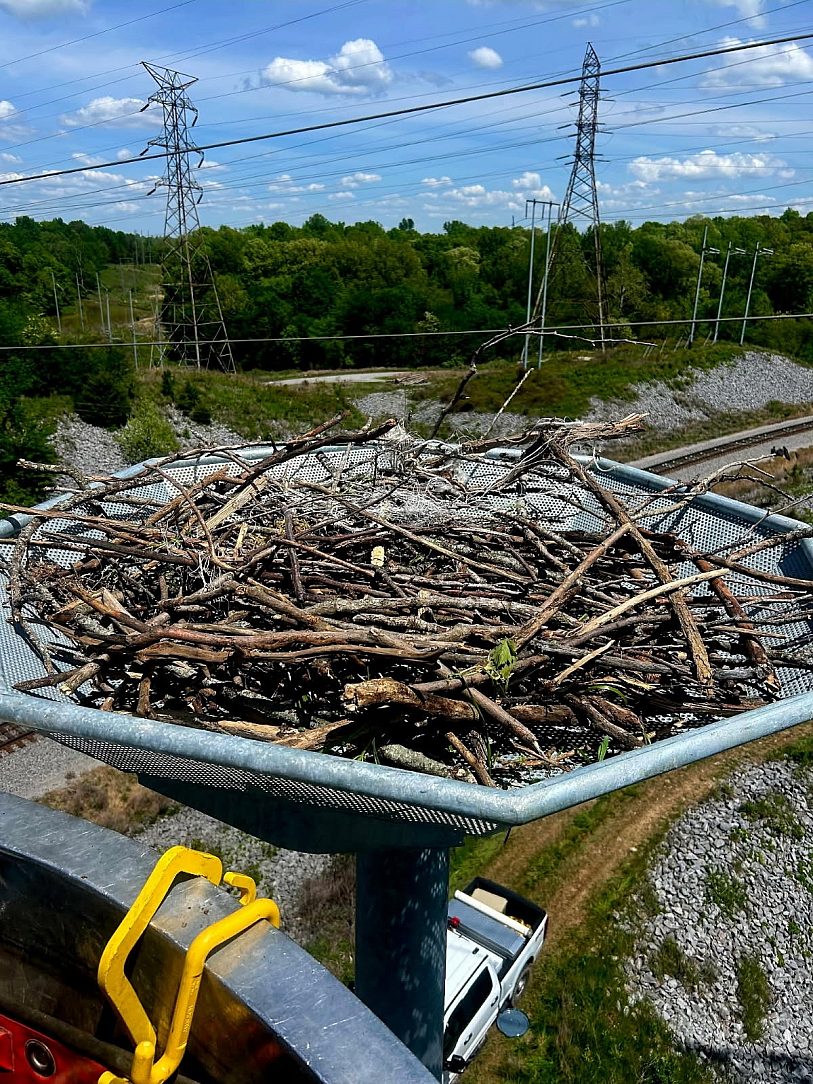
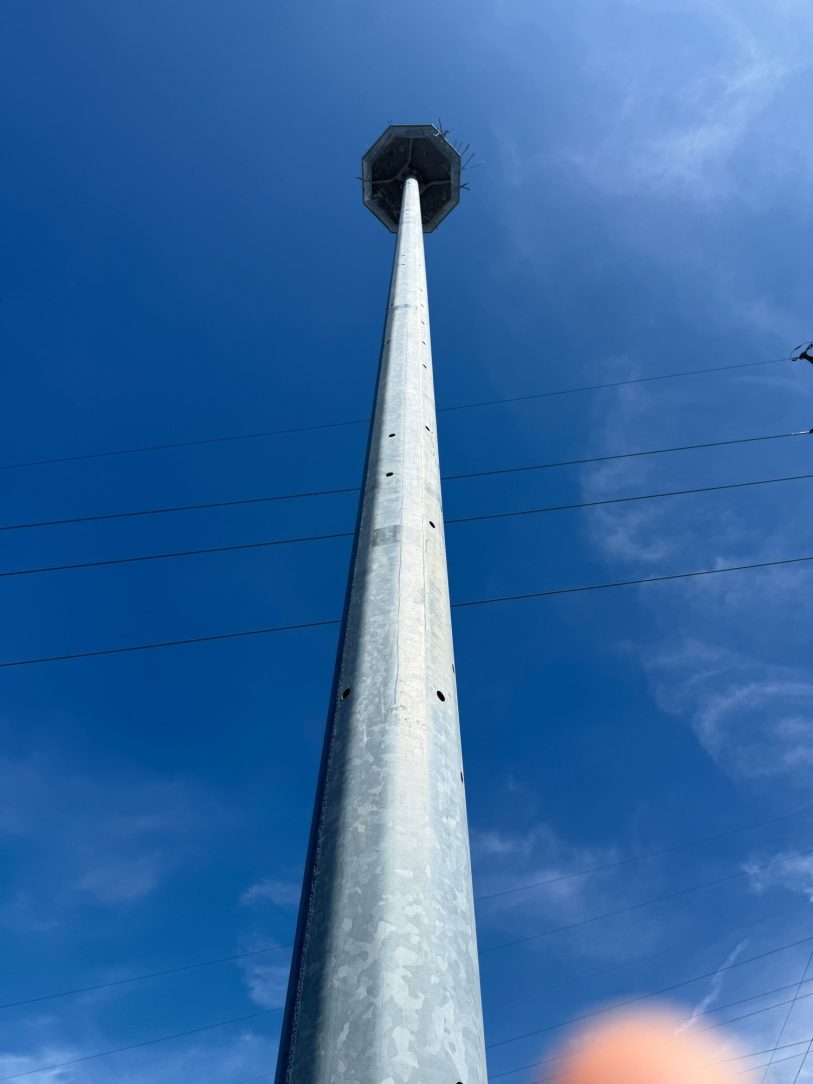
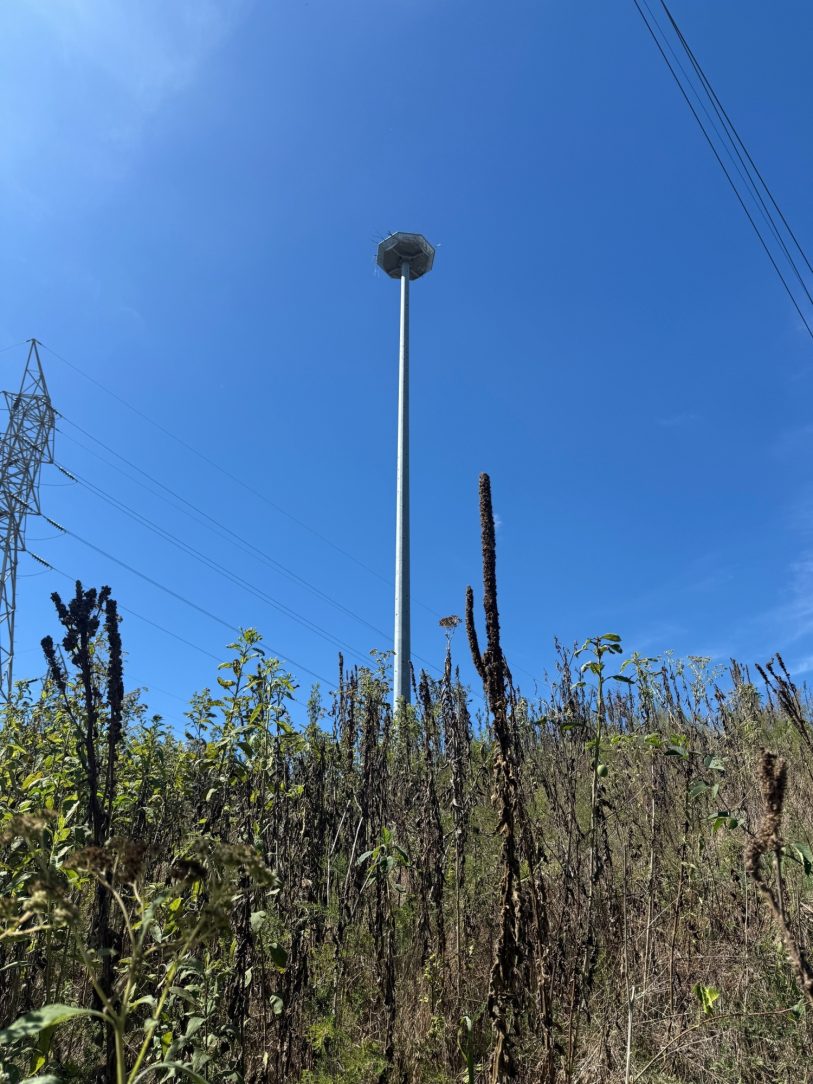
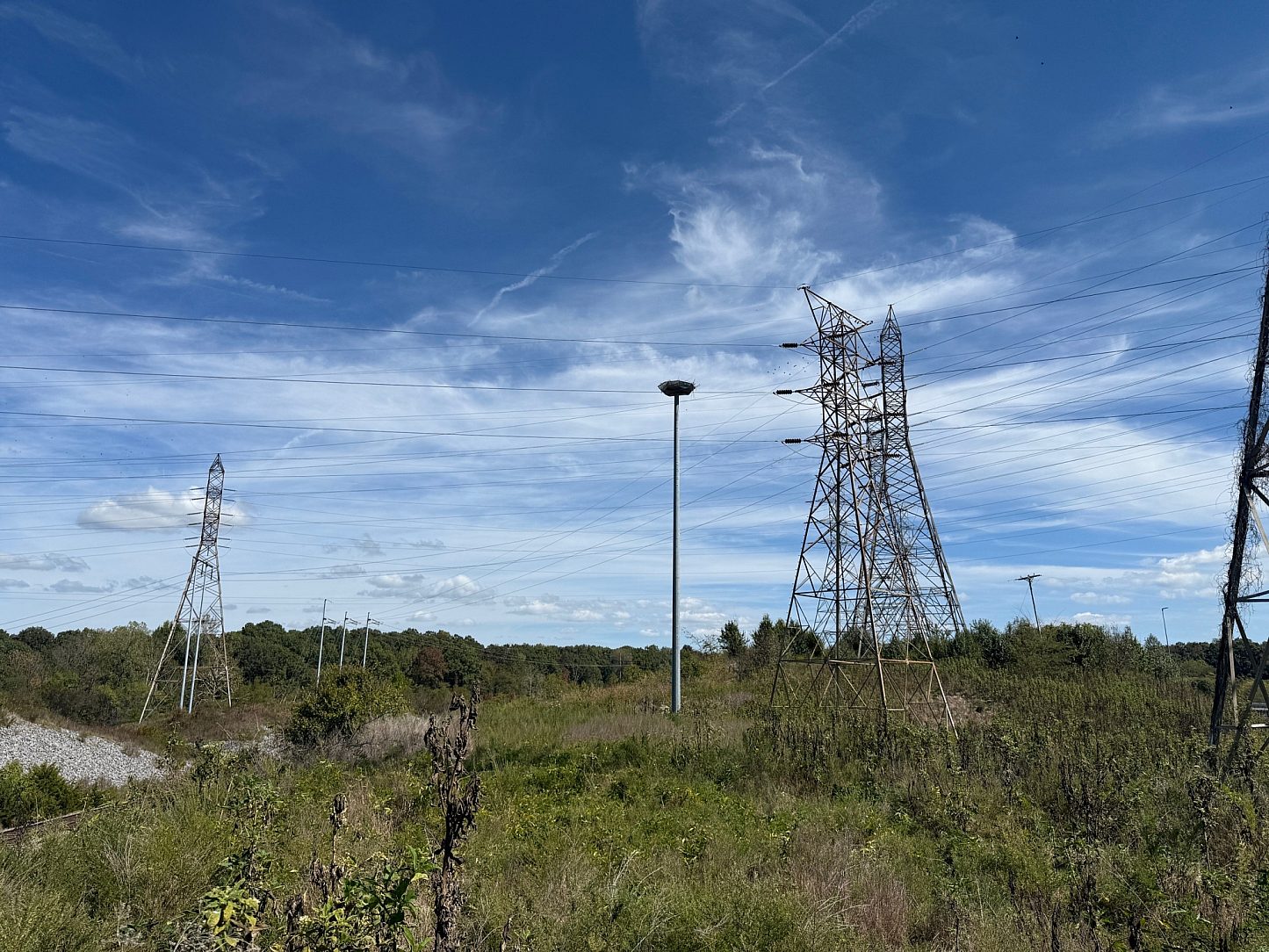
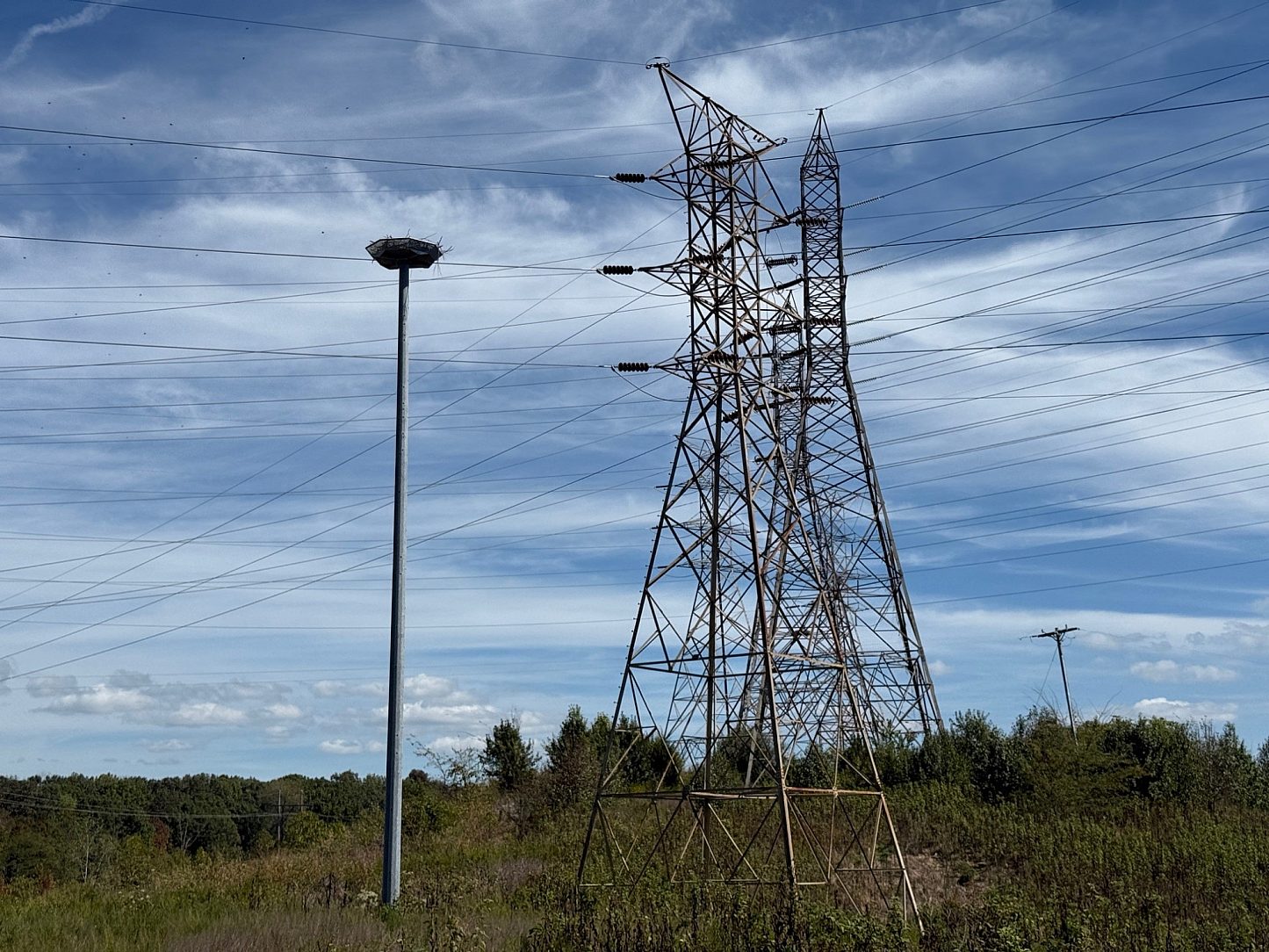
CloseThis project at the Kentucky Lock & Dam used hot-dip galvanizing on a tall, repurposed pole to solve a major conflict between high-voltage electrical reliability and wildlife conservation. The galvanized coating provided the only way to ensure long-term structural integrity and eliminate maintenance in this hazardous and highly corrosive environment.
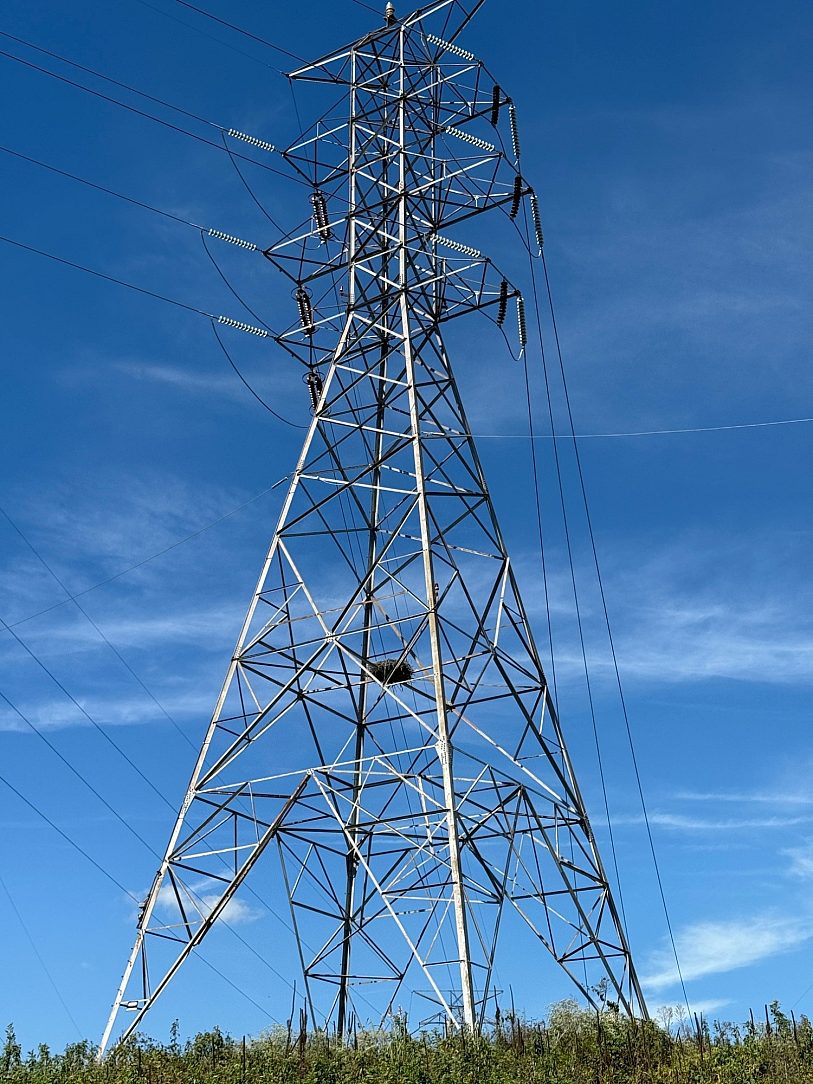
The most significant return is the cost avoided by successfully luring birds away from existing electrical towers. Nests on non-designated towers carry the inherent risk of shorted wires or fires.
The decision to specify hot-dip galvanizing for this nesting pole was mandatory, driven by the terrain and high cost associated with maintenance. At the Kentucky Lock & Dam, TVA already uses HDG for all other critical components, giving them vast experience and an established understanding of its necessity in this utility environment.
The pole’s strategic placement at the active lock and dam site demands a coating solution that is truly set-and-forget. The structure is a tall pole in an unlevel area near water and live lines, creating extreme access challenges. Even the installation required a specialized knuckle boom lift, clearly defining the high cost and complexity of any future intervention.
HDG was the only way to eliminate intervention and guarantee the required service life. The galvanized coating is expected to provide 60+ years of maintenance-free service. In contrast, an ungalvanized steel structure here would face corrosion compromising structural integrity in as little as 15 years, necessitating extremely costly and hazardous replacement. Galvanizing was a mandatory structural requirement to eliminate recurrent maintenance cycles.
The decisive financial advantage comes from massive life-cycle and indirect cost savings achieved by mitigating safety risks. The most significant return is the cost avoided by successfully luring birds away from existing electrical towers. Nests on non-designated towers carry the inherent risk of shorted wires or fires. The potential cost of a power outage or asset fire at this critical utility facility dwarfs any upfront coating cost, making the galvanized pole a high-value insurance policy against catastrophic failure.
Beyond this indirect saving, HDG eliminated labor costs of recoating. Given the need for specialized equipment and complex logistical planning at the dam, eliminating even a single maintenance cycle results in six-figure savings over the asset's service life. The utility has converted the costly and time-consuming need to repeatedly remove nests into a one-time, maintenance-free solution.
The pole faces one of the most demanding corrosive environments possible. The area around the dam is highly susceptible to atmospheric and other corrosions due to constant water and electrical components. This riverine setting combines high humidity, condensation, and pollutants, classifying the site as a highly corrosive environment.
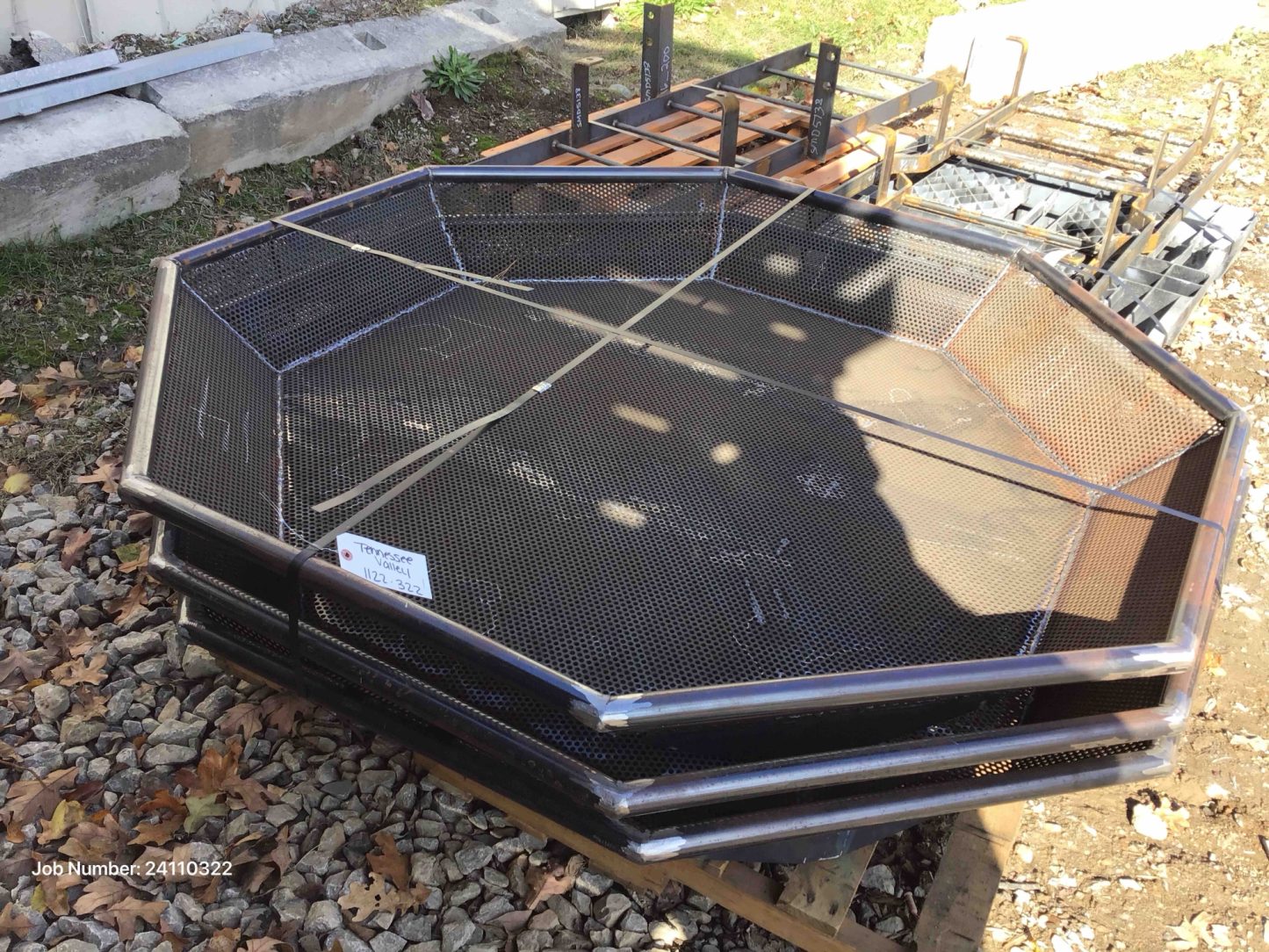
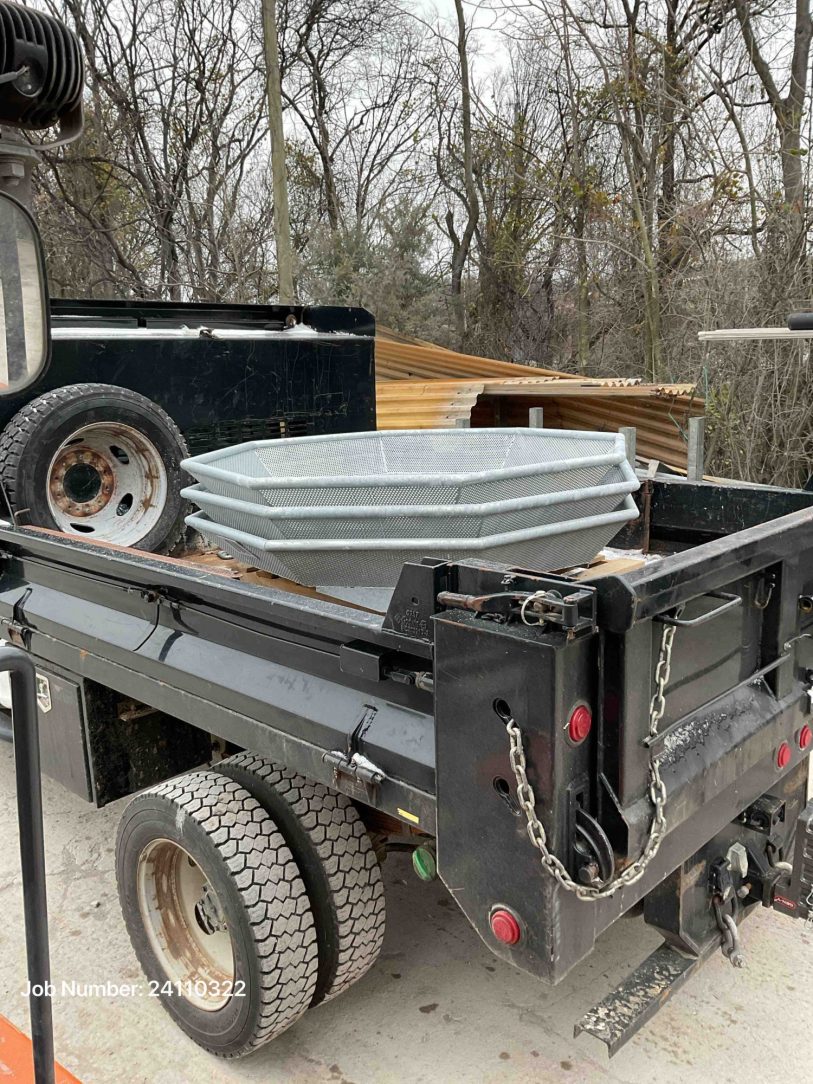
Ingenuity was also required in design adaptation. Since the pole was originally built for another purpose, the nesting platform and mounting system had to be designed to accommodate the pole’s existing bolt pattern. This creative repurposing avoided costly pole modifications, accelerating deployment and ensuring efficient use of an existing asset. The structure now provides dual-purpose success: critical safety and reliability for the electrical grid and a designated safe habitat for the osprey or eagle population. This innovative galvanized application could be replicated across similar utility installations, combining lasting performance with meaningful environmental benefits.
Details
Award Class
Newly Complete
Award Sectors
Original Equipment Manufacturing
Environment
Temperate Marine
Location
Grand Rivers, KY United States
Reasons for Galvanizing
Coating Durability, Corrosion Performance, Ease of Specifying, Life-Cycle Cost, Prior HDG Experience, Quality of HDG, Sustainability
Components Galvanized
Pole sections, Nest
Tonnage/Size
Steel: 2
HDG: 2
Team Members
Fabricator
Todd Morton
TVA
Member Galvanizer(s)
AZZ Galvanizing - Nashville
Thank you! Your vote has been accepted.