Menu • Quick Links • Search
Login
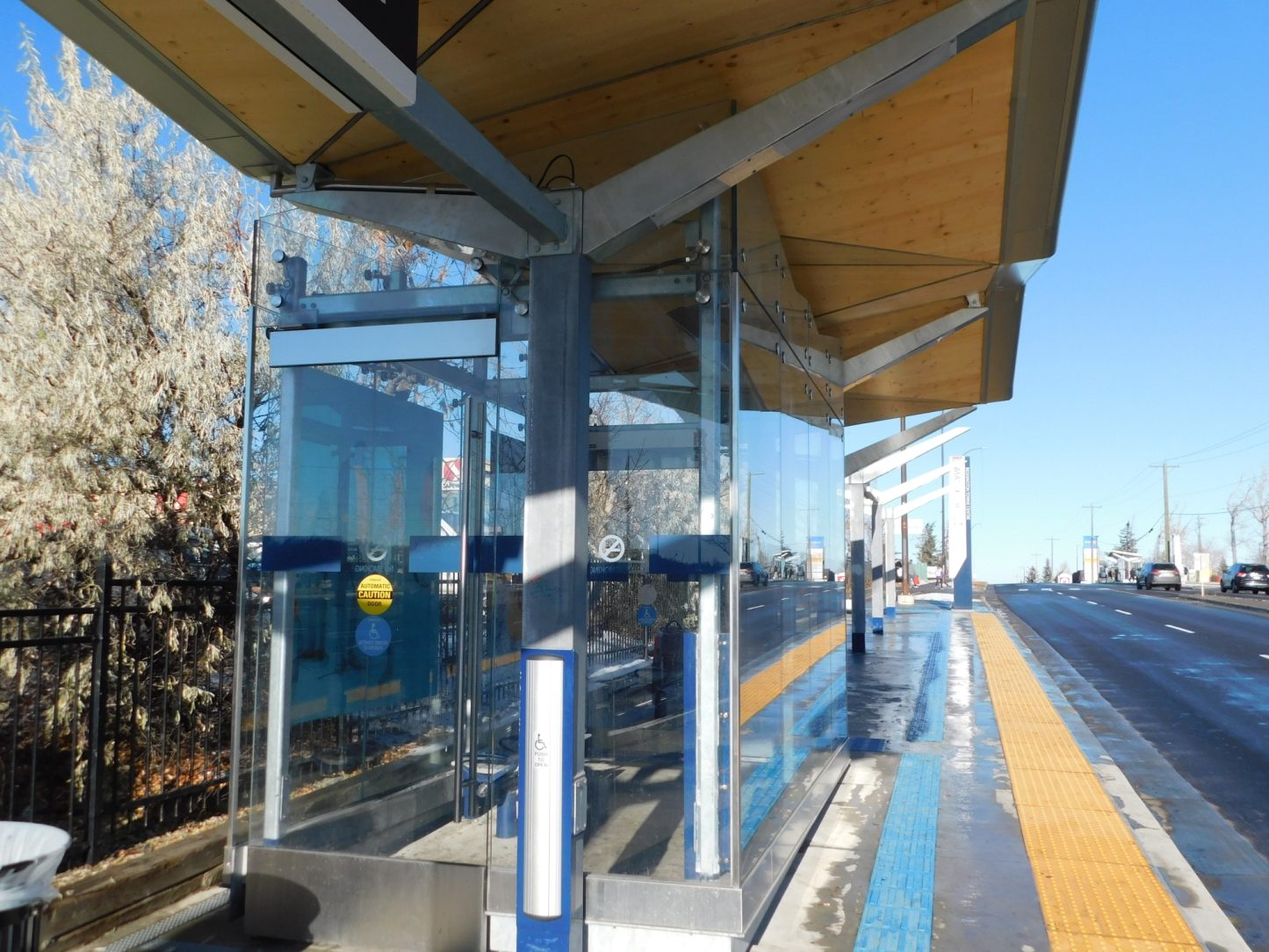
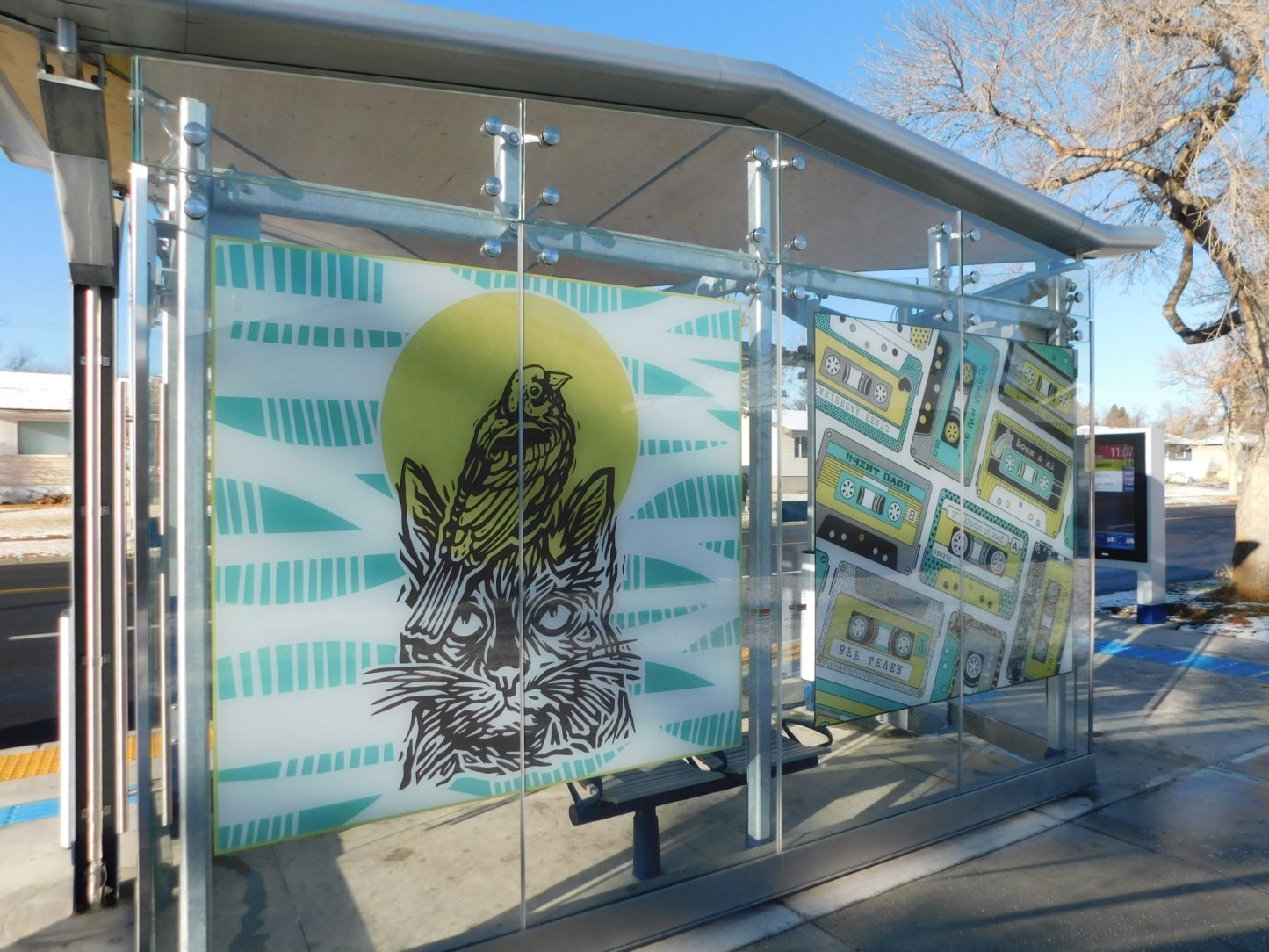
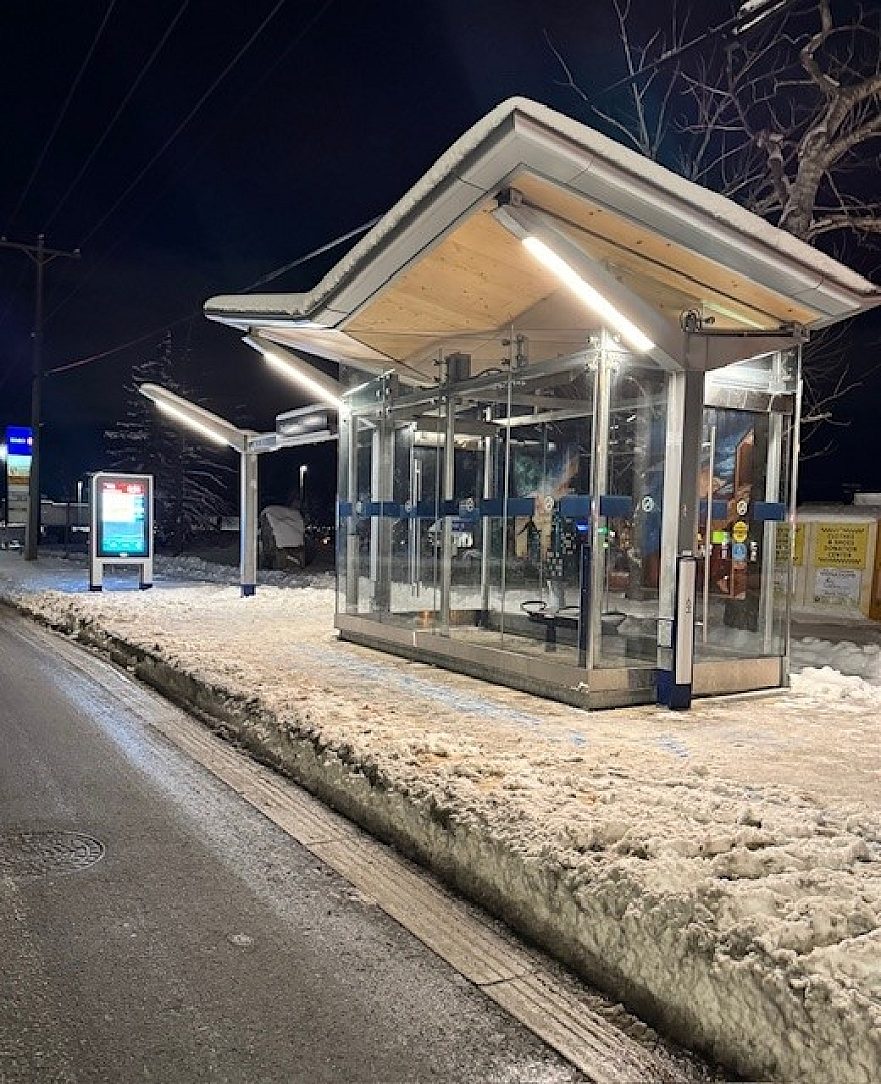
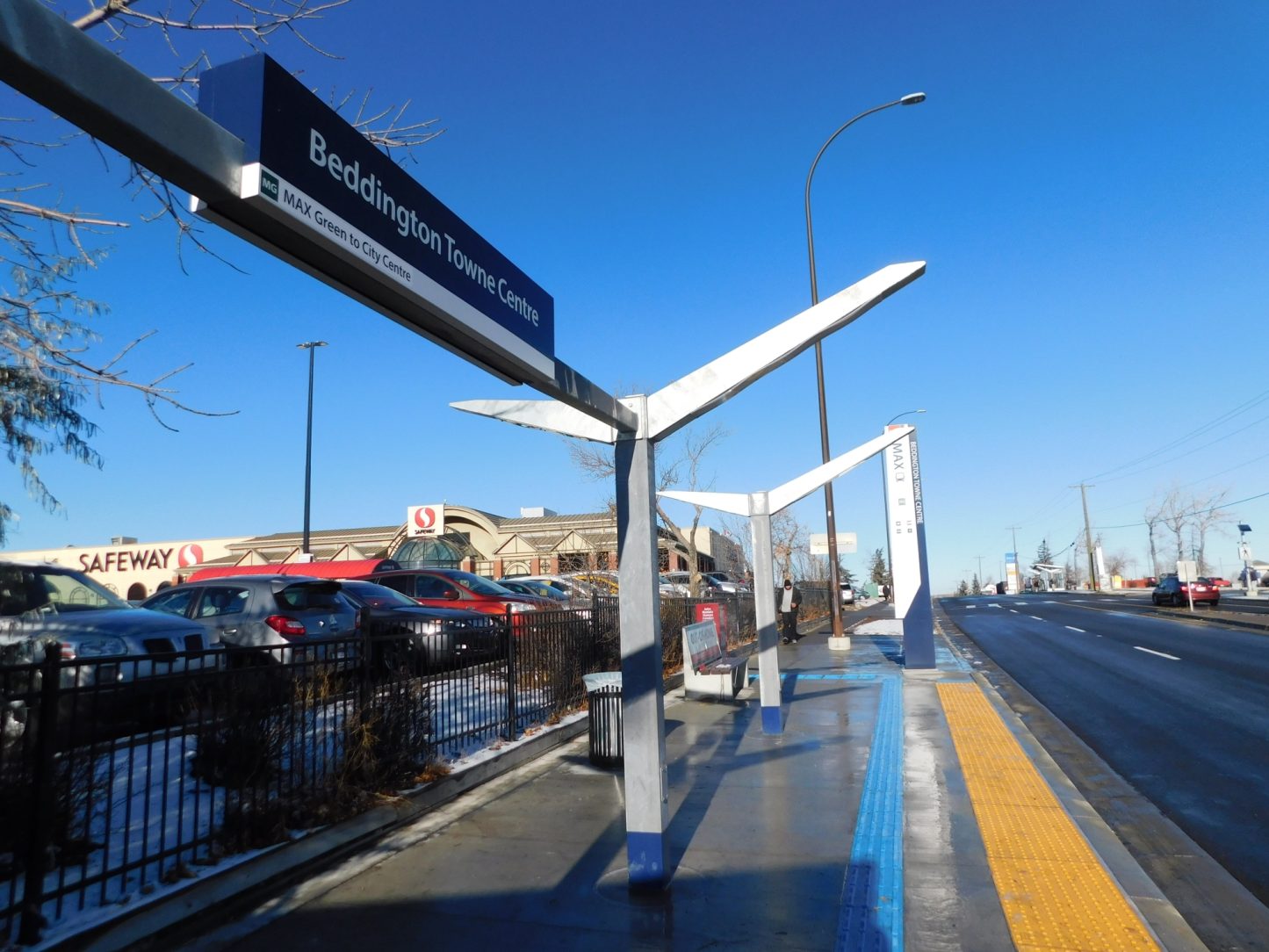
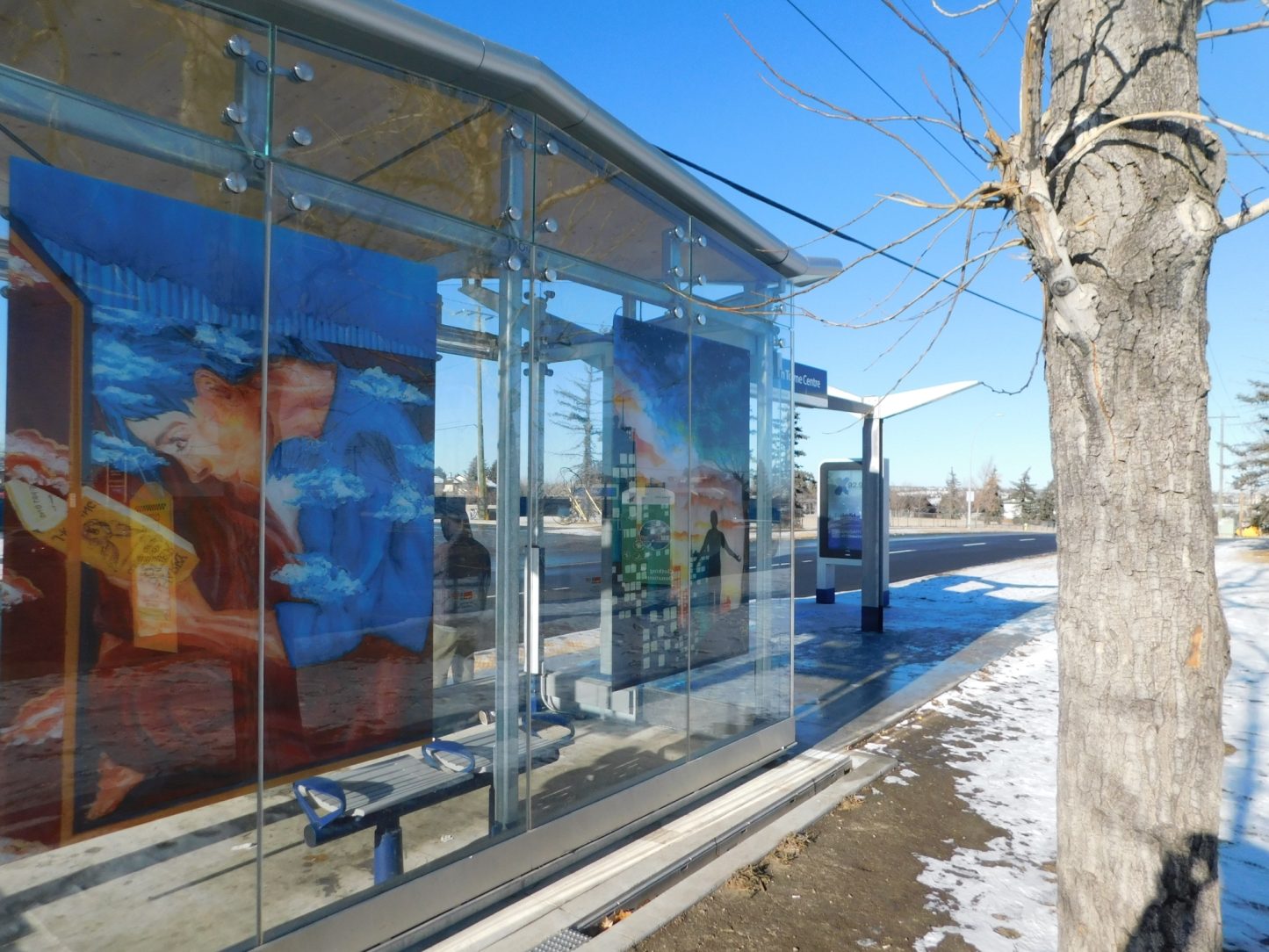
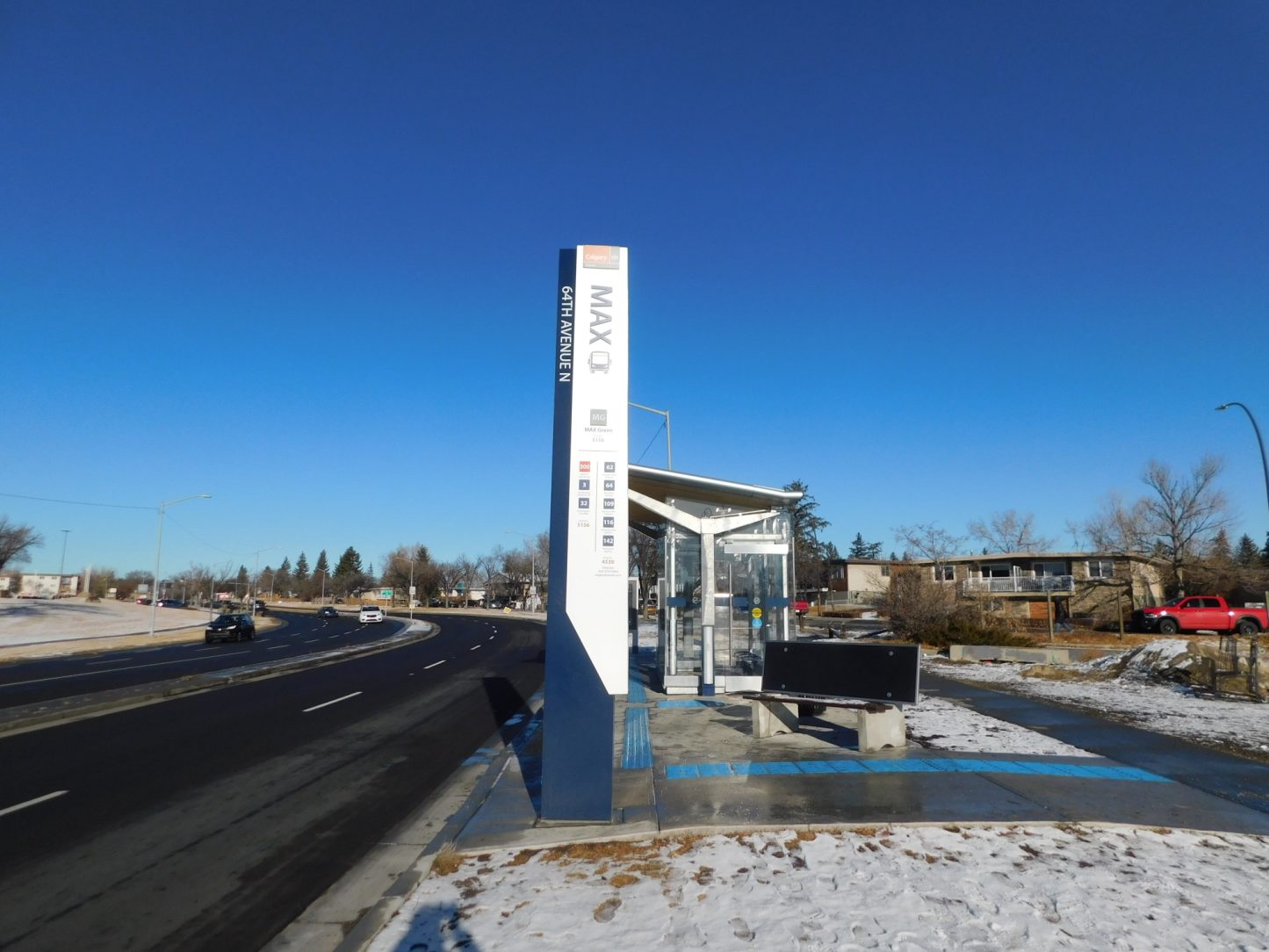
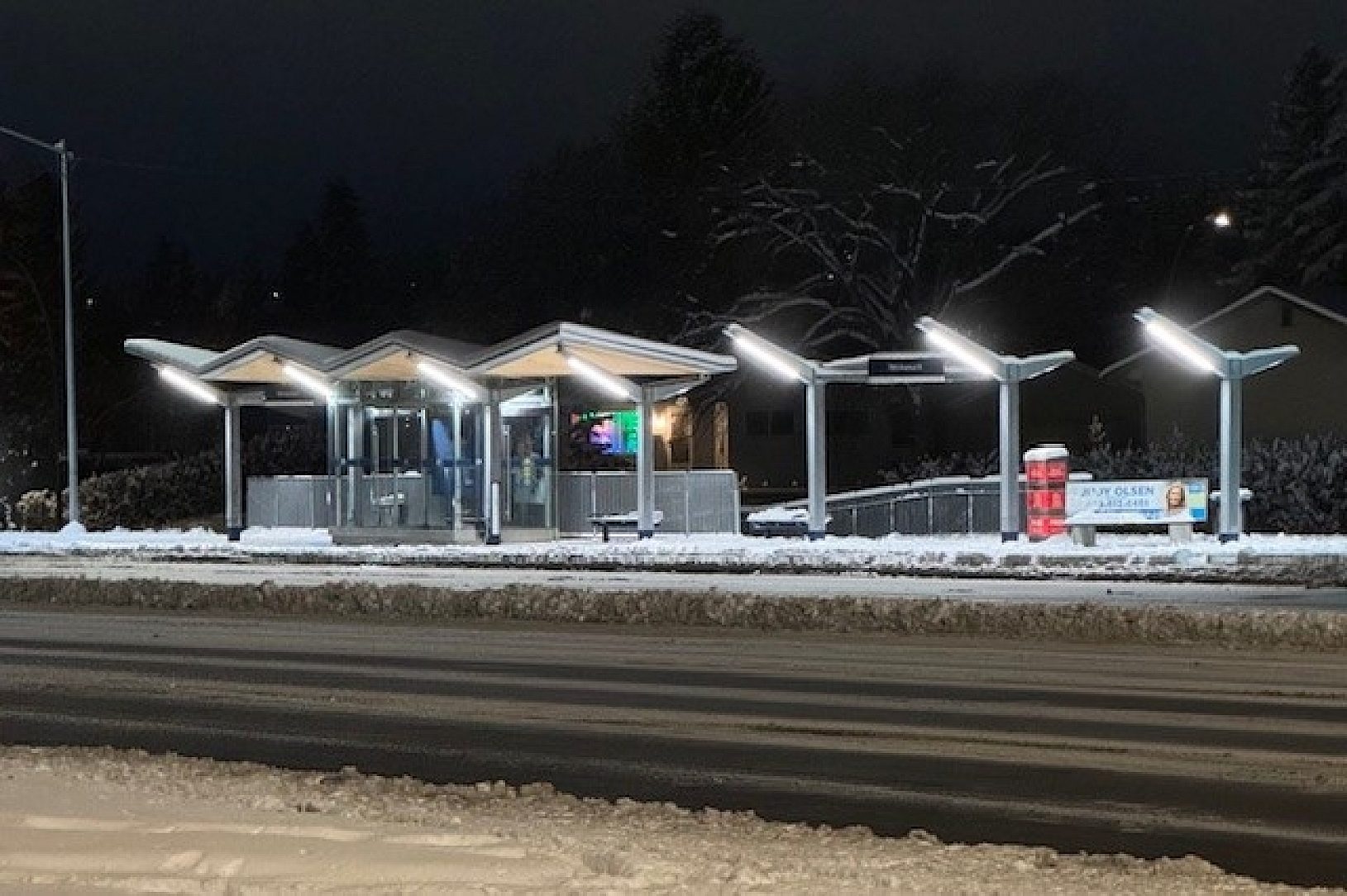
CloseThe MAX 301 North Central Bus Rapid Transit (BRT) project represents a major investment in public mobility and urban renewal along the Centre Street corridor, which is Calgary’s busiest transit route. Spanning 13.5 kilometers, the project introduced a wide range of improvements that enhance connectivity and support long-term economic growth. Among the most visible upgrades were 14 new heated transit shelters that feature integrated public art created by local artists. These shelters now serve thousands of daily riders and have quickly become recognizable additions to the urban landscape, offering both functional protection and cultural presence in communities throughout the corridor.
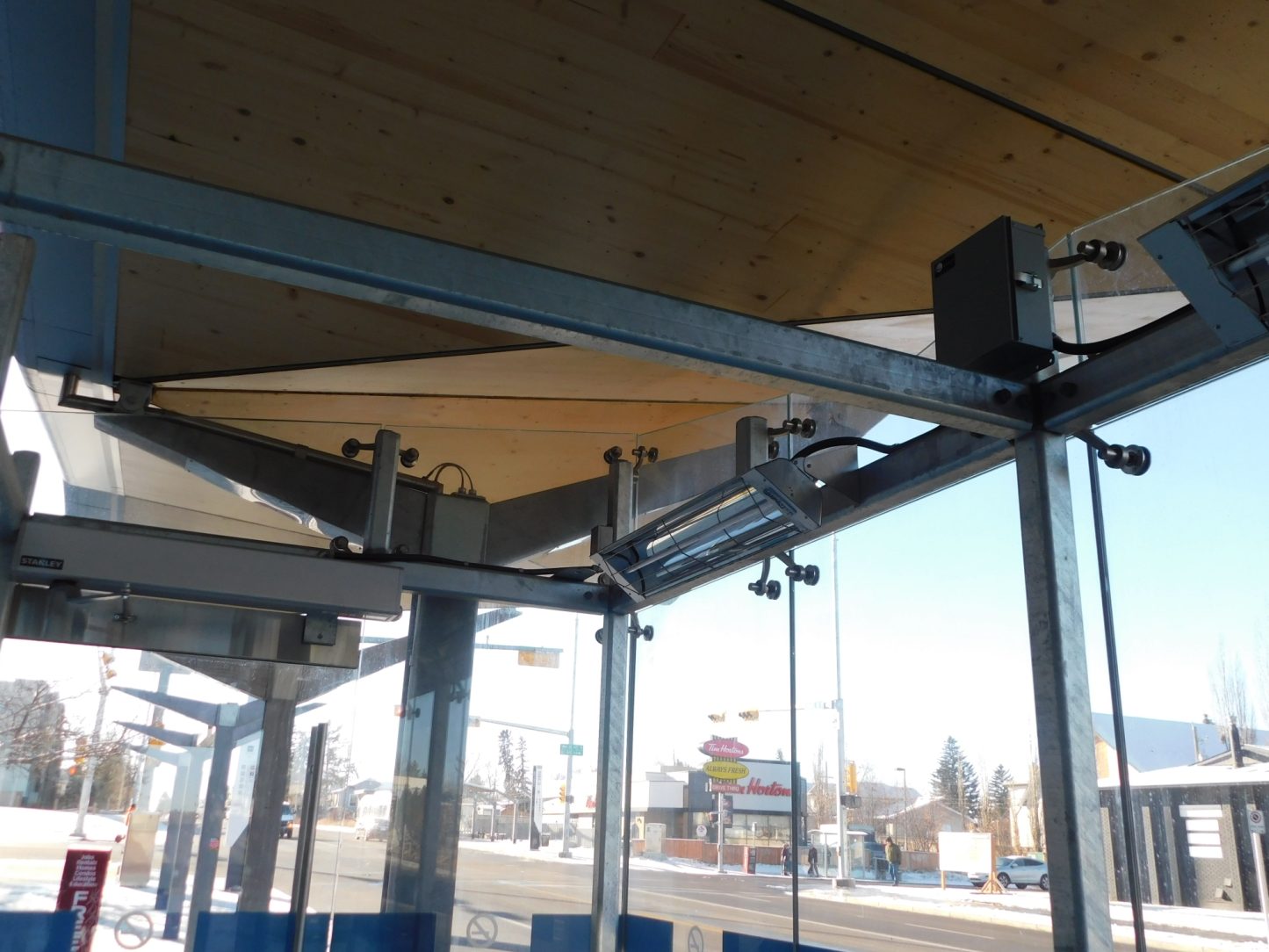
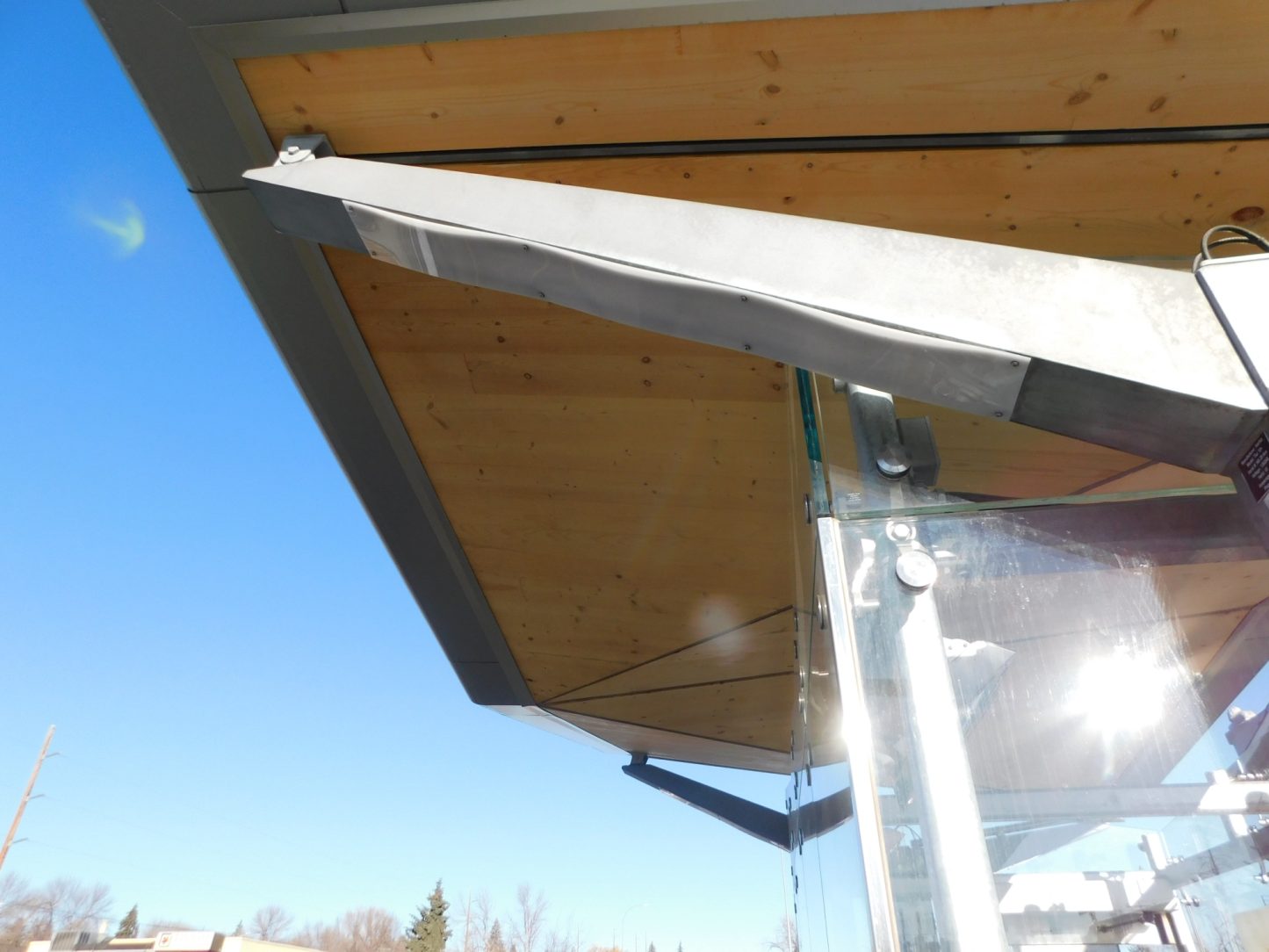
A notable aspect of the design is the blending of mass timber and hot-dipped galvanized structural steel in the roof construction, showcasing an innovative and long-lasting approach to public infrastructure.
The initiative also produced substantial economic benefits. Construction activities generated more than 2,000 regional jobs, while the upgraded infrastructure has strengthened future development potential. By 2048, an estimated 50,100 Calgarians are expected to live within 800 meters of a station, and by 2028 approximately 15,900 jobs will be located within that same distance. The project was designed to support future expansion to the Green Line North LRT, reinforcing its importance as a long-term transportation asset.
Durability and extended service life were central priorities for the shelter design, which led the City of Calgary to select hot-dip galvanizing for all exposed steel elements. Calgary is known for extreme freeze-thaw cycles, high road salt usage, and long winters that can quickly degrade unprotected materials. Hot-dip galvanizing offered the most cost-effective solution while ensuring consistent long-term performance. The upfront investment in galvanizing produces substantial lifecycle savings by minimizing maintenance requirements and eliminating the need for repeated repainting or premature replacement. These financial efficiencies were particularly important for a public project with many distributed sites that would be expensive to service individually.
Galvanized steel also played a prominent design role. The clean, uniform finish aligns with the city’s modern architectural aesthetic and complements the mass timber elements integrated into the shelter roofs. This combination of materials results in a warm yet highly resilient public installation that elevates the experience of daily riders while maintaining visual cohesion across the corridor. The form and finish of the galvanized members remain visible to thousands of transit users every day, strengthening awareness of the material’s durability and value in civic infrastructure.
The scale of the project reinforced the competitive advantages of galvanizing in large municipal programs and demonstrated its ability to meet demanding performance criteria across a distributed, high-use environment. By setting a precedent for future expansion corridors, the MAX 301 project highlights the value of HDG as a dependable and cost-effective solution for long-term public infrastructure.
Sustainability was another key driver in material selection. Hot-dip galvanizing supports the city’s environmental objectives by extending the service life of the shelters and reducing the need for future maintenance activities that would generate additional emissions, waste, and material consumption. The reduced frequency of repairs also limits disruptions to transit service and decreases the environmental footprint associated with replacement materials and labor. The long-lasting zinc coating and the material’s recyclability contribute to a more sustainable infrastructure model, aligning with Calgary’s broader goals for resilient urban development.
Through thoughtful design, durable materials, and a coordinated citywide vision, the MAX 301 North Central BRT project demonstrates how hot-dip galvanizing can shape public spaces, reduce lifecycle costs, and strengthen long-term sustainability. The galvanized steel elements of these shelters will continue to serve riders and communities for decades, reinforcing the material’s essential role in modern transit infrastructure.
Details
Award Class
Newly Complete
Award Sectors
Transportation
Environment
Industrial/Urban
Location
Calgary, AB Canada
Reasons for Galvanizing
Coating Durability, Corrosion Performance, Life-Cycle Cost, Prior HDG Experience, Quality of HDG
Components Galvanized
Roof Frames, Columns, HSS Posts, Handrail, Embed Plate, Channel, Guardrail, SAG Rods, Hardware,
Tonnage/Size
Steel: 75
HDG: 72
Team Members
Fabricator
Reed Van Halst
Norfab Manufacturing Inc.
Owner
Dennis Nelson
City of Calgary
Architect
GEC Architecture
Engineer
Stantec Engineering
Other
Graham Construction
Member Galvanizer(s)
AZZ Galvanizing - Edmonton
Thank you! Your vote has been accepted.