Menu • Quick Links • Search
Login
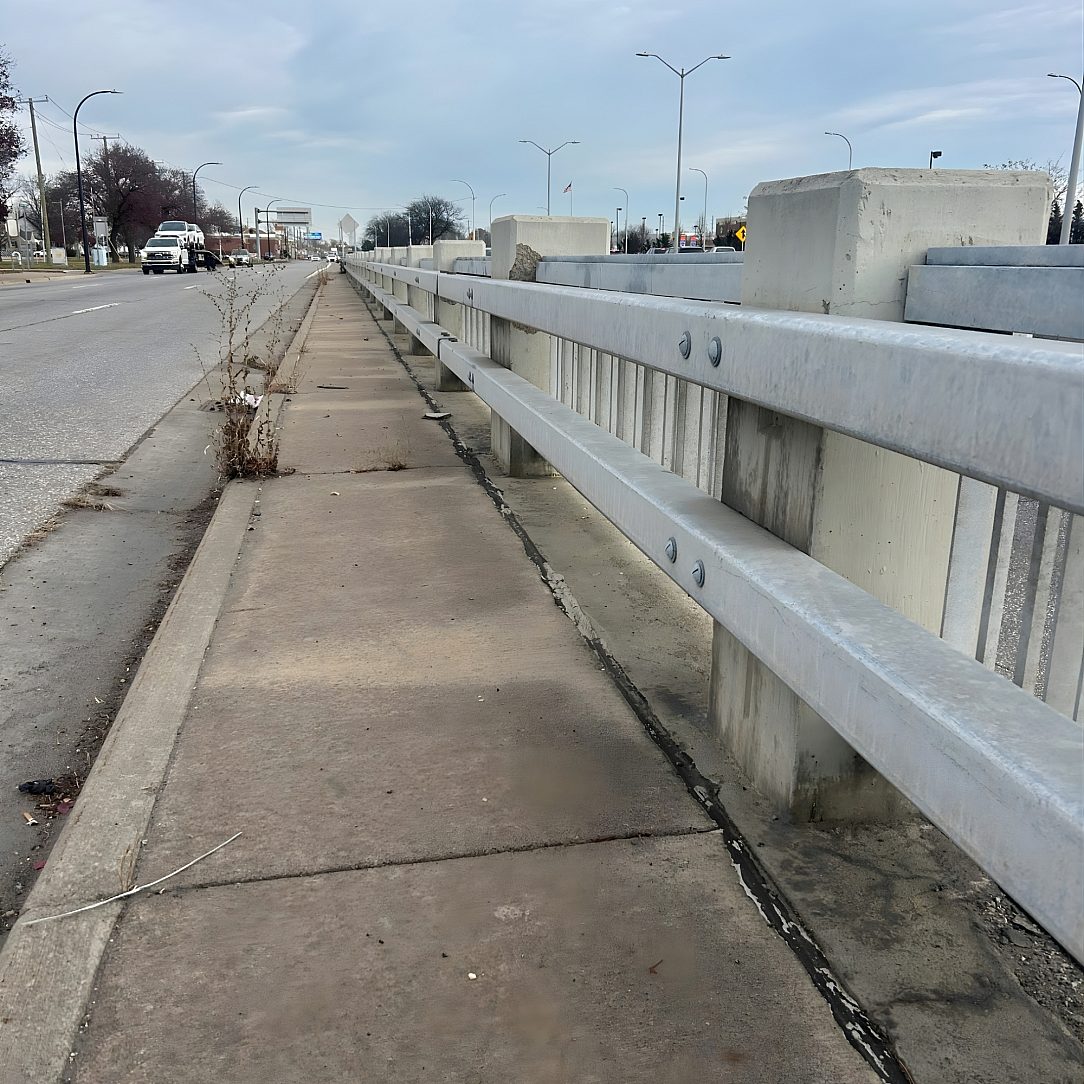
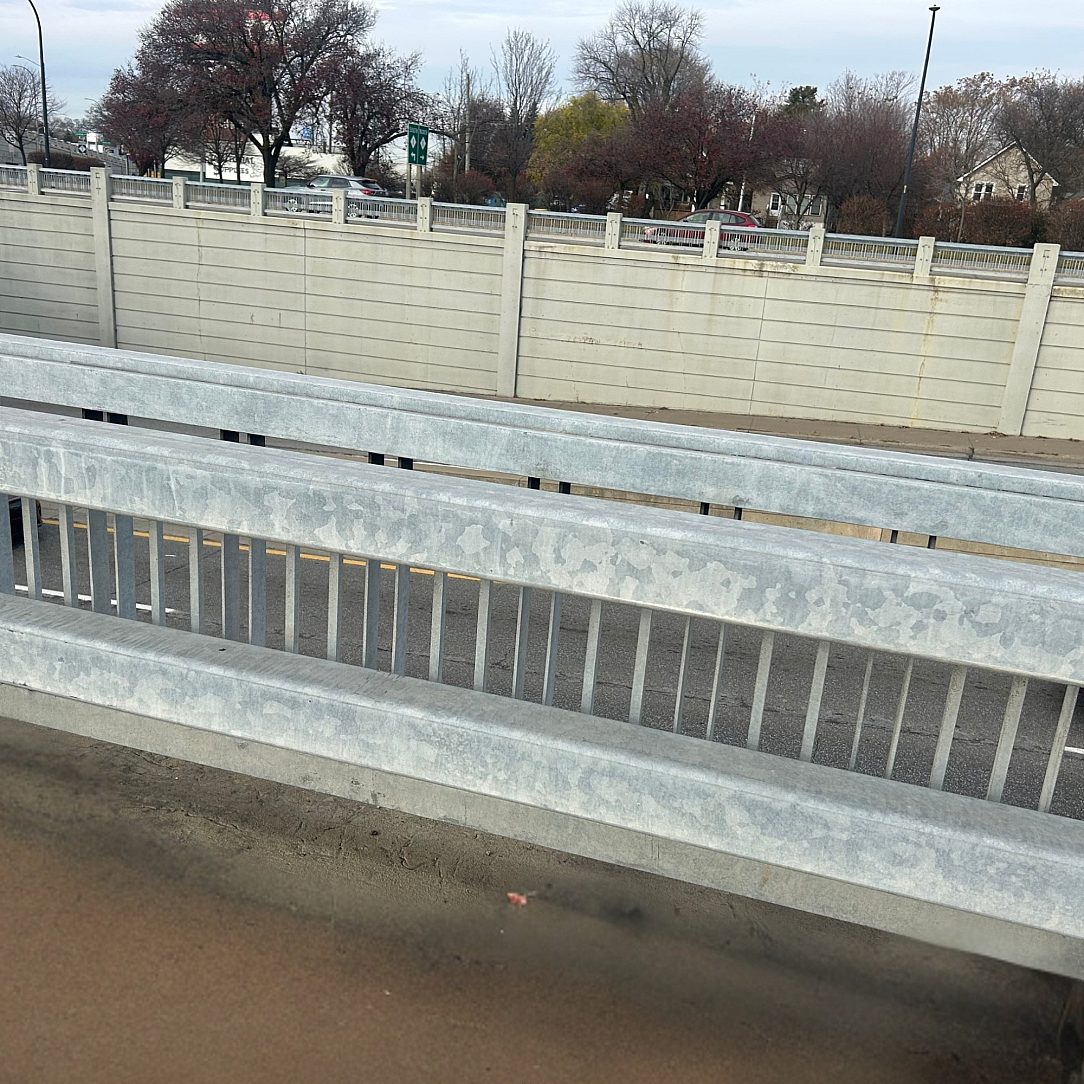
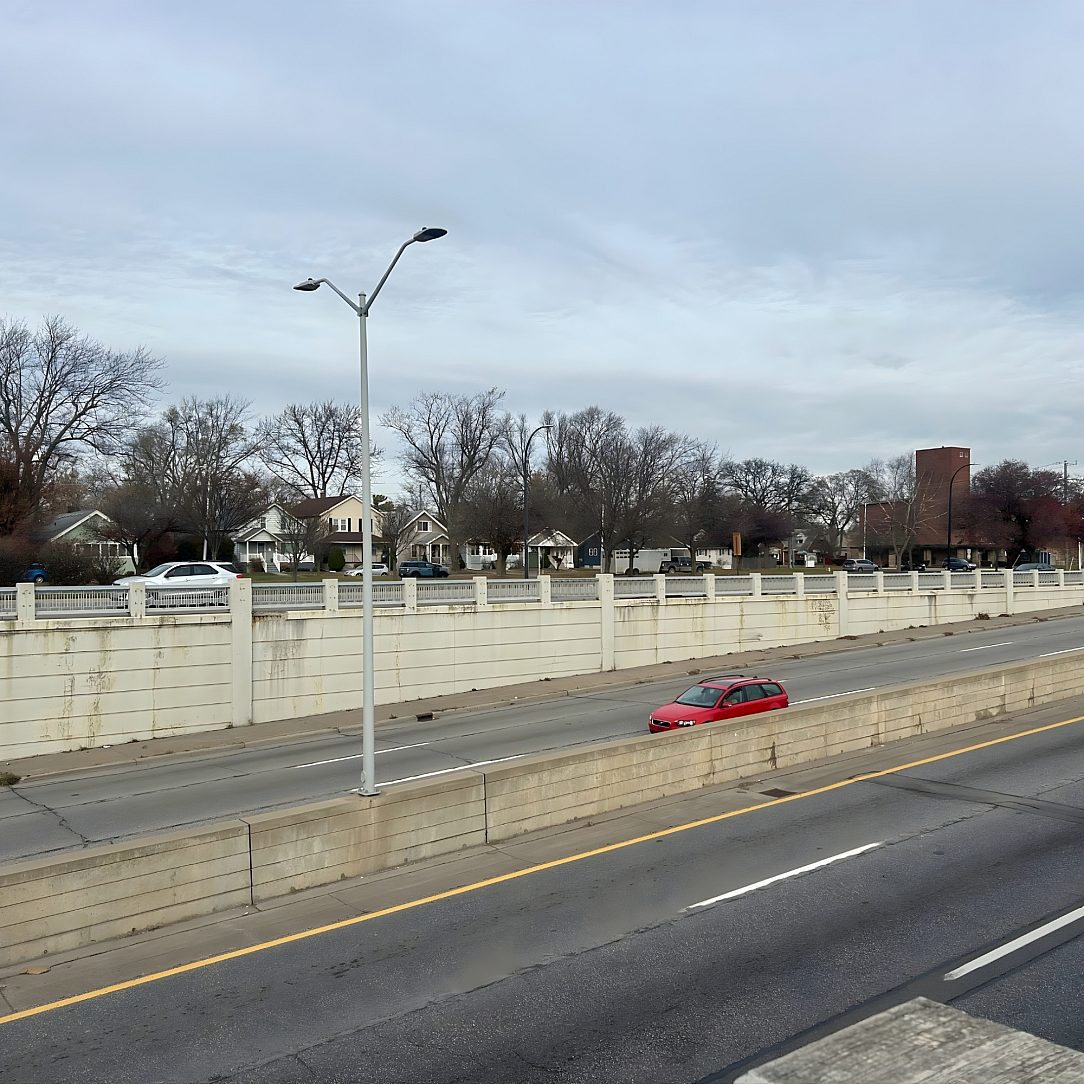
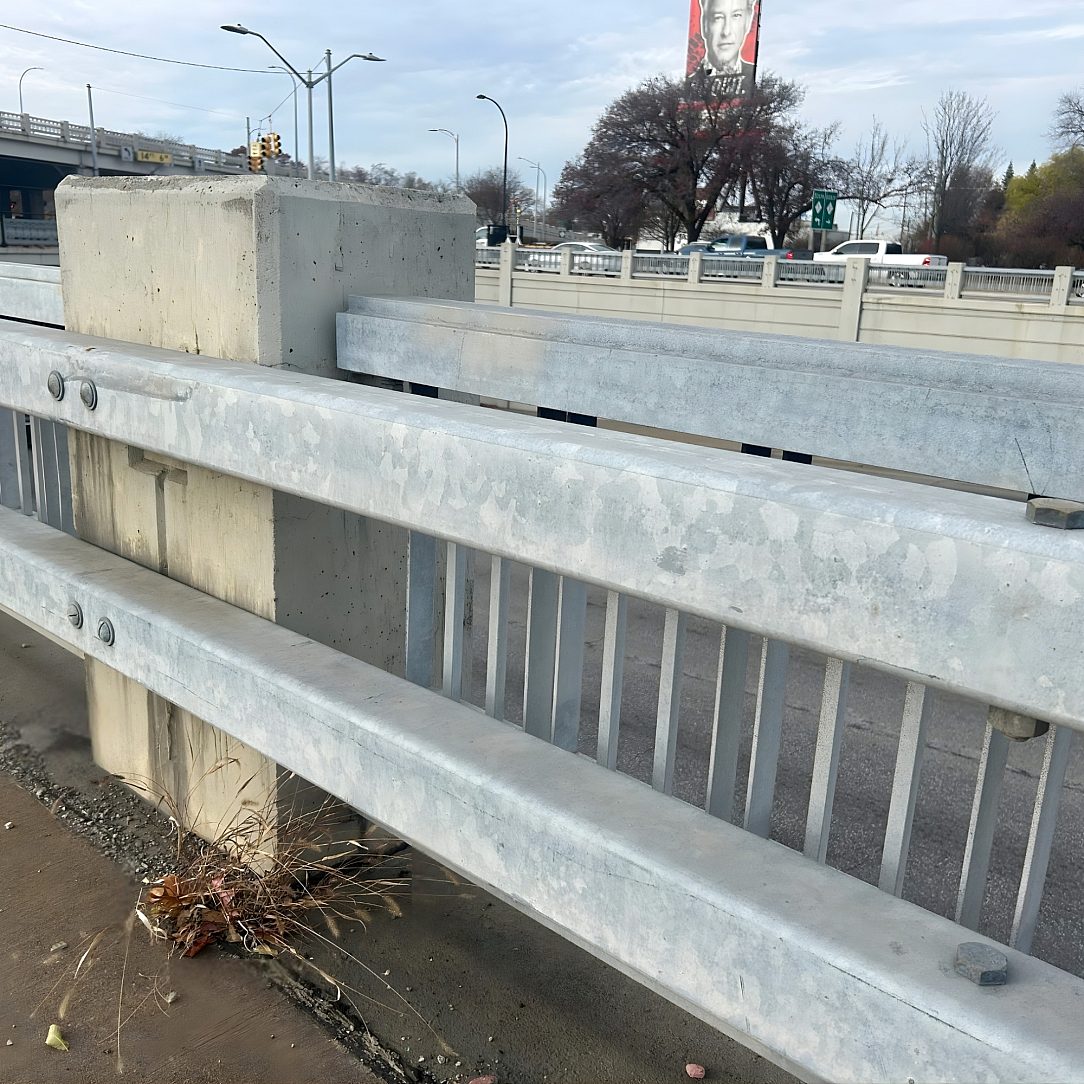
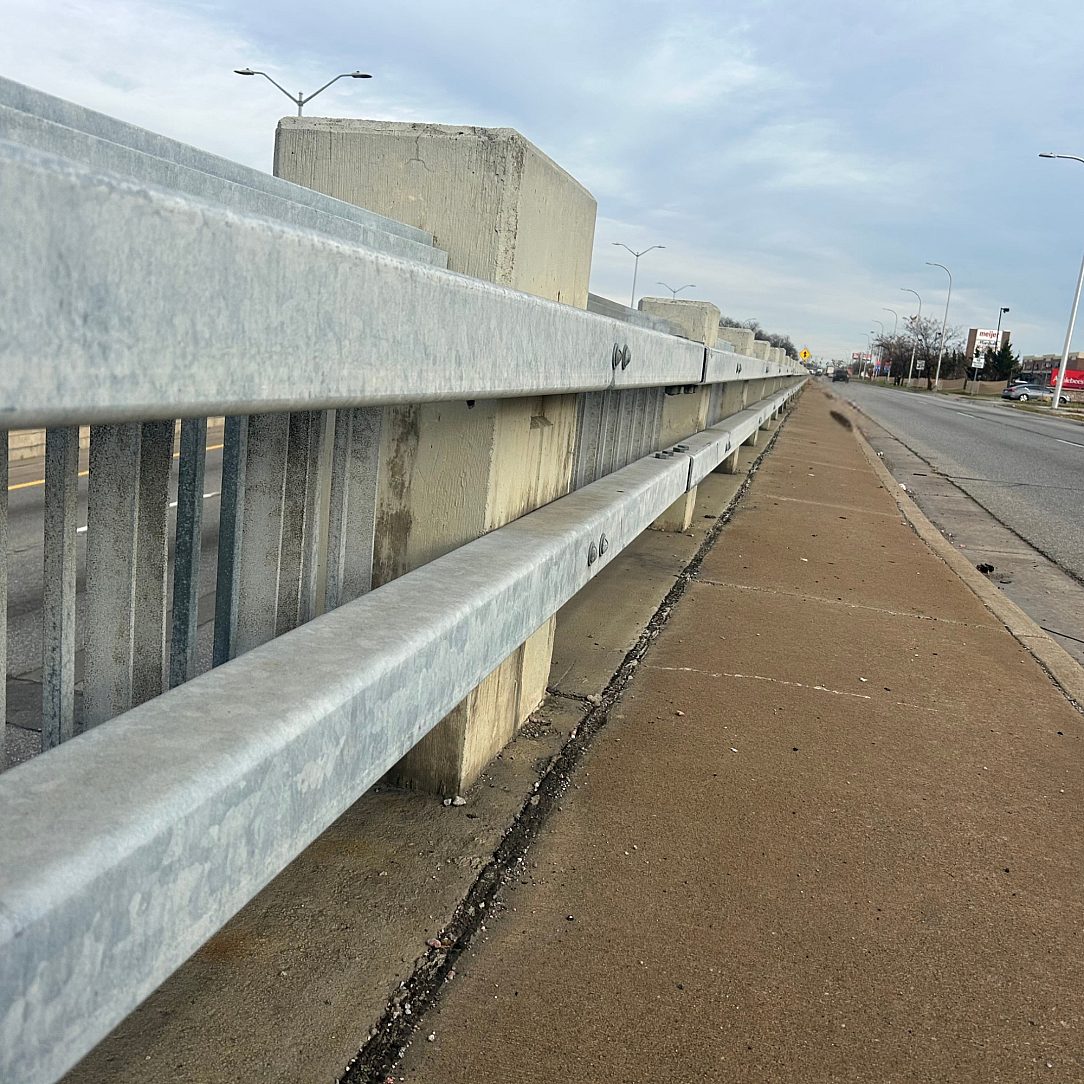
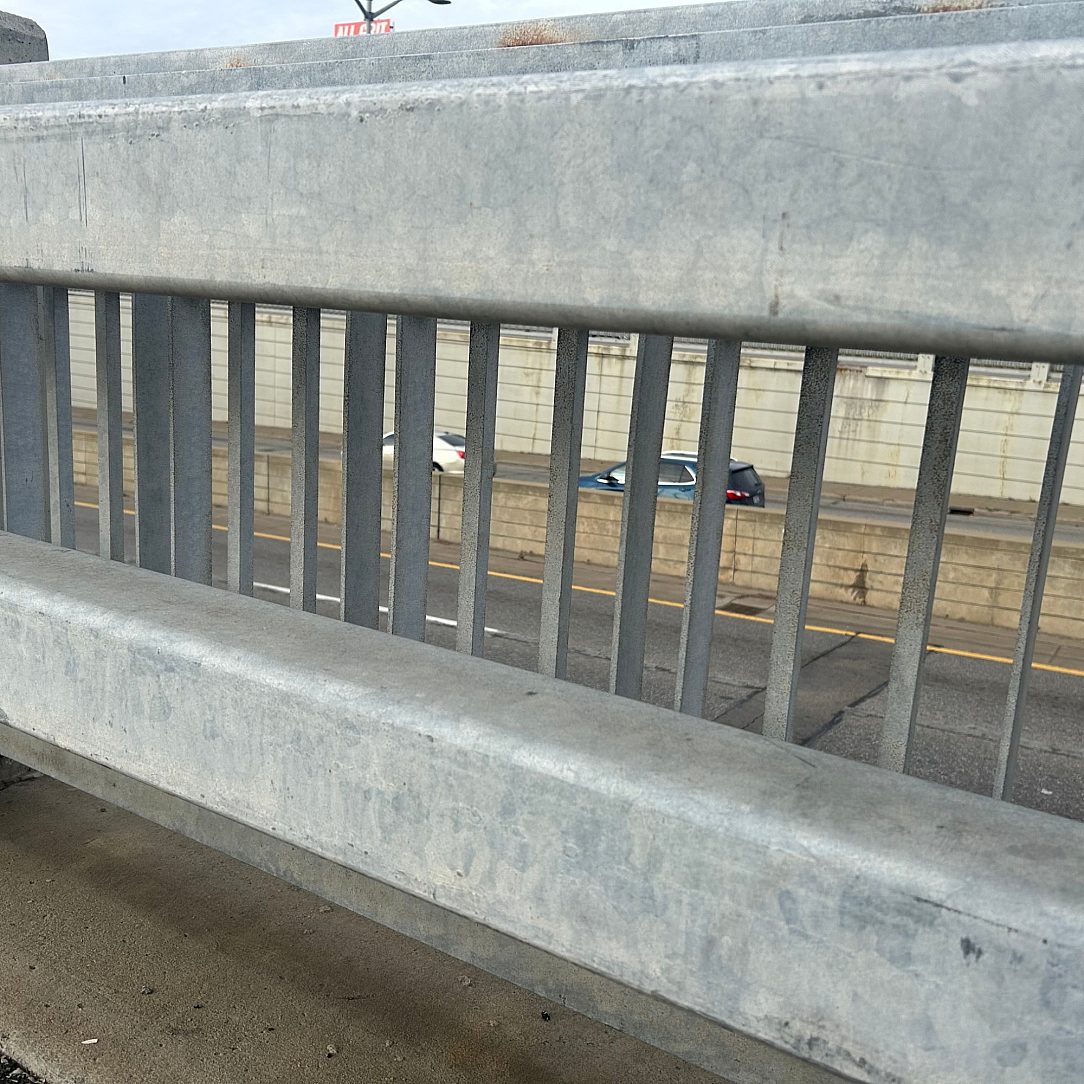
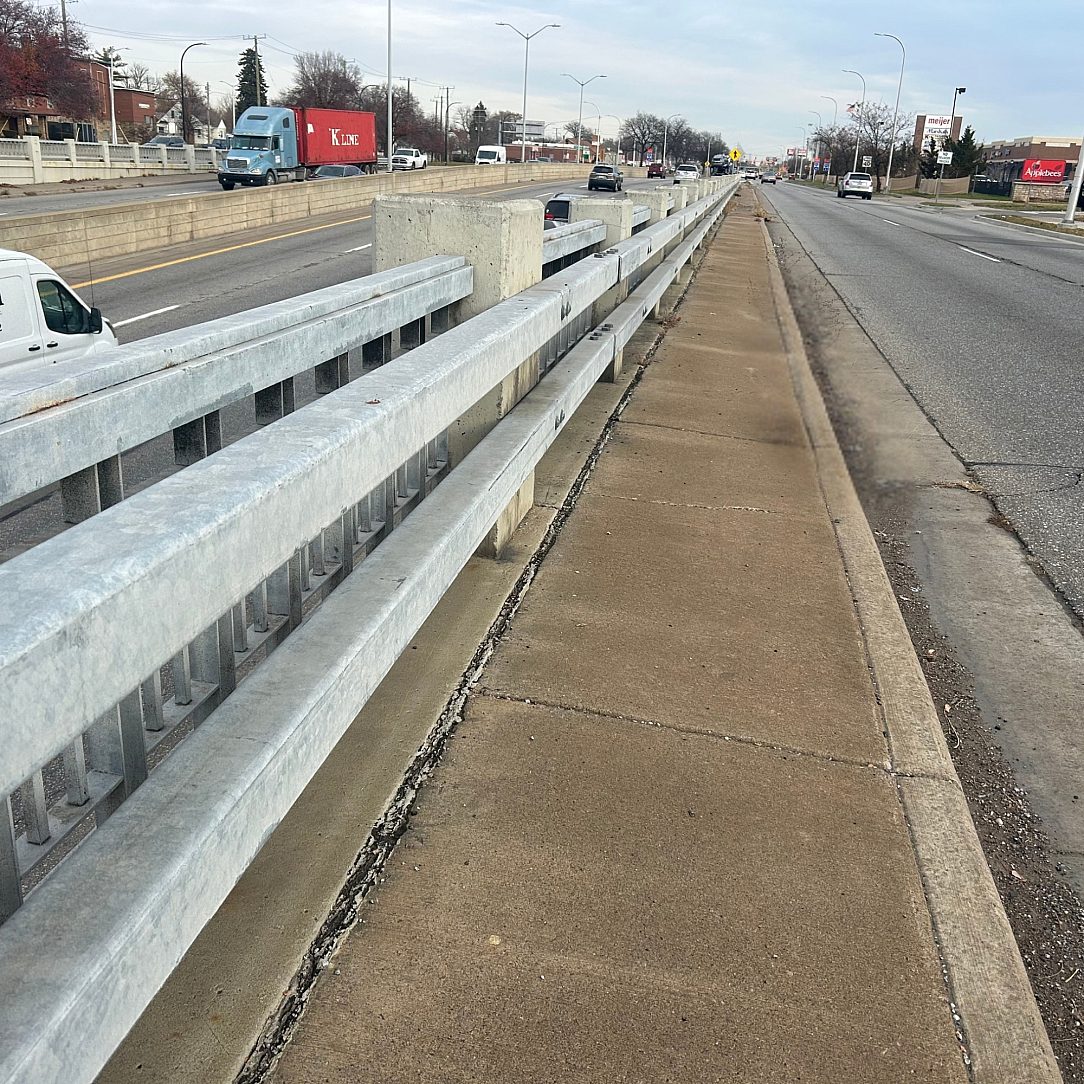
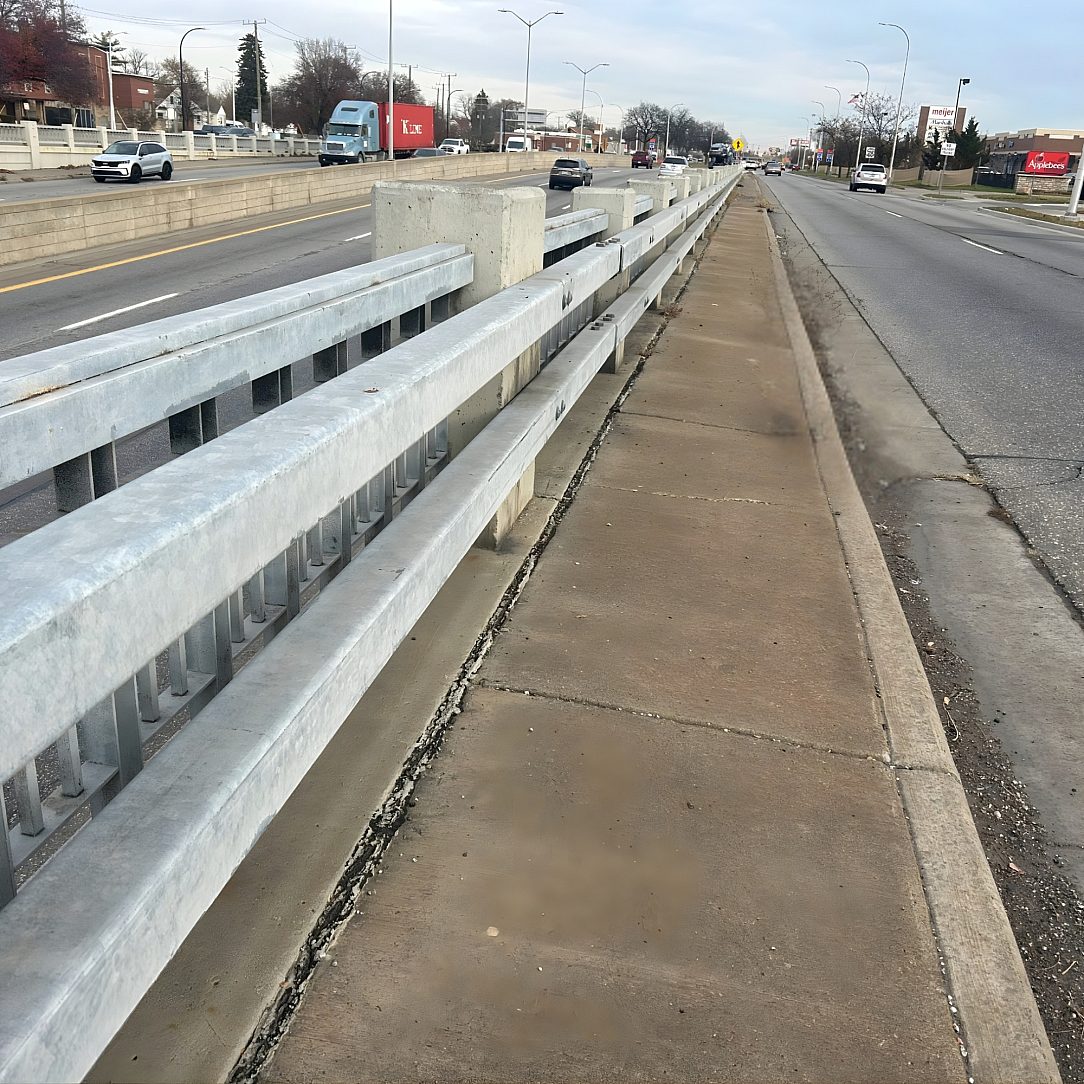
CloseThe M-102 Bridge Rail Reconstruction Project in Detroit, Michigan stands as a landmark example of the exceptional durability, sustainability, and life-cycle value of hot-dip galvanizing. Originally constructed and galvanized in 1955, the bridge guard rail system performed reliably for more than five decades in a demanding urban environment. When rehabilitation was required in 2007 to address minor corrosion and accommodate updated safety standards, the majority of the original galvanized steel was preserved, re-galvanized, and reinstalled rather than replaced. Now nearly 20 years after that rehabilitation, the galvanized guard rail system continues to perform as intended, further validating the long-term effectiveness of hot-dip galvanizing. This project demonstrates how hot-dip galvanizing not only protects steel for generations, but also enables reuse, recyclability, and significant cost savings.
“The M-102 Bridge Rail Reconstruction proves that hot-dip galvanizing is not simply a coating choice, but a long-term investment in durability, life-cycle cost efficiency, and infrastructure stewardship.”
The M-102 Bridge was originally constructed in 1955 using hot-dip galvanized steel guard rails designed to endure Michigan’s severe weather, heavy traffic volumes, and prolonged exposure to deicing salts. Over 52 years of continuous service, the galvanized coating provided long-term corrosion protection with only minor localized deterioration observed during condition assessments- performance that exceeded typical expectations for highway safety infrastructure. In 2007, the Michigan Department of Transportation (MDOT) initiated a rehabilitation effort to address localized corrosion and to install an additional guard rail to meet updated roadway safety standards. Rather than replacing the existing steel components, MDOT elected to reuse the original guard rail system, recognizing the remaining structural integrity and corrosion resistance afforded by the galvanized coating. 80–85% of the steel comes from the original 1955 installation, removed from service, stripped of its original zinc coating, and re-galvanized before being reinstalled on the same bridge. This process restored full corrosion protection while preserving the original steel, demonstrating the recyclability and renewability inherent to hot-dip galvanized steel. The remaining 15–20% of steel, required to accommodate the additional guard rail, was newly fabricated and hot-dip galvanized to provide consistent protection, appearance, and service life across the entire system. The decision to re-galvanize rather than replace resulted in substantial economic and environmental benefits. MDOT completed the project at less than half of the originally budgeted cost, reducing material usage, fabrication demands, and construction time. The reuse of existing steel also minimized waste and embodied energy, aligning with long-term sustainability goals and responsible infrastructure management. Today, nearly 70 years after the original galvanizing and almost two decades after rehabilitation, the M-102 Bridge guard rail system continues to perform with minimal maintenance. This project remains a benchmark example for engineers, owners, and specifiers, illustrating how hot-dip galvanizing extends service life, supports asset renewal, and delivers measurable life-cycle value. The M-102 Bridge Rail Reconstruction Project exemplifies why hot-dip galvanizing remains a trusted corrosion protection system.
Sue Datta, original project manager of the 2007 rehabilitation with the Michigan DOT says, "After checking with the maintenance staff, the interchange and railings have held up well and hasn’t required maintenance yet of the hot dip galvanized coating we used 18 years ago. The hot dip galvanized coating on the railings have not required maintenance and held up well after these many years."
Coating Thickness
| Desc | Read. 1 | Read. 2 | Read. 3 | Read. 4 | Read. 5 | Avg. | Loc. |
|---|---|---|---|---|---|---|---|
| Top rail | 4.8 | 4.7 | 3.9 | 4.0 | 4.3 | 4.34 | |
| Top rail different section | 4.5 | 3.7 | 3.8 | 4.0 | 4.1 | 4.02 | |
| Lower rail | 3.9 | 4.3 | 4.8 | 3.8 | 4.7 | 4.30 |
Details
Award Class
Lifetime Achievement
Award Sectors
Lifetime Achievement
Environment
Industrial/Urban
Location
Detroit, MI United States
Reasons for Galvanizing
Coating Durability, Corrosion Performance, Life-Cycle Cost, Prior HDG Experience, Sustainability
Components Galvanized
Rail Panels and Tube Rail
Tonnage/Size
Steel: 300
HDG: 250
Team Members
Fabricator
Cardinal Fabricating
Owner
Michigan DOT
Member Galvanizer(s)
V&S Detroit Galvanizing LLC
Thank you! Your vote has been accepted.