
Menu • Quick Links • Search
Login
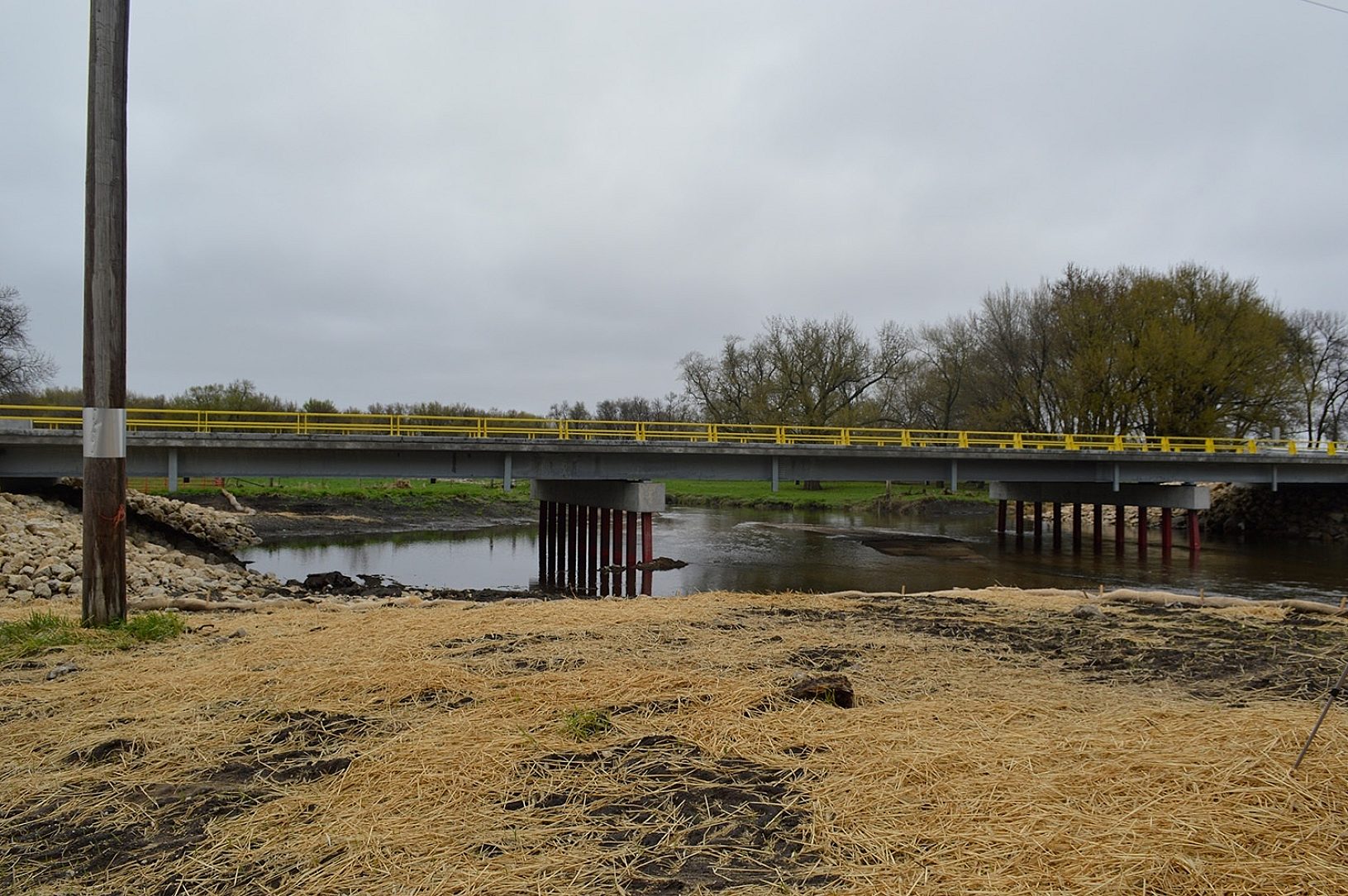
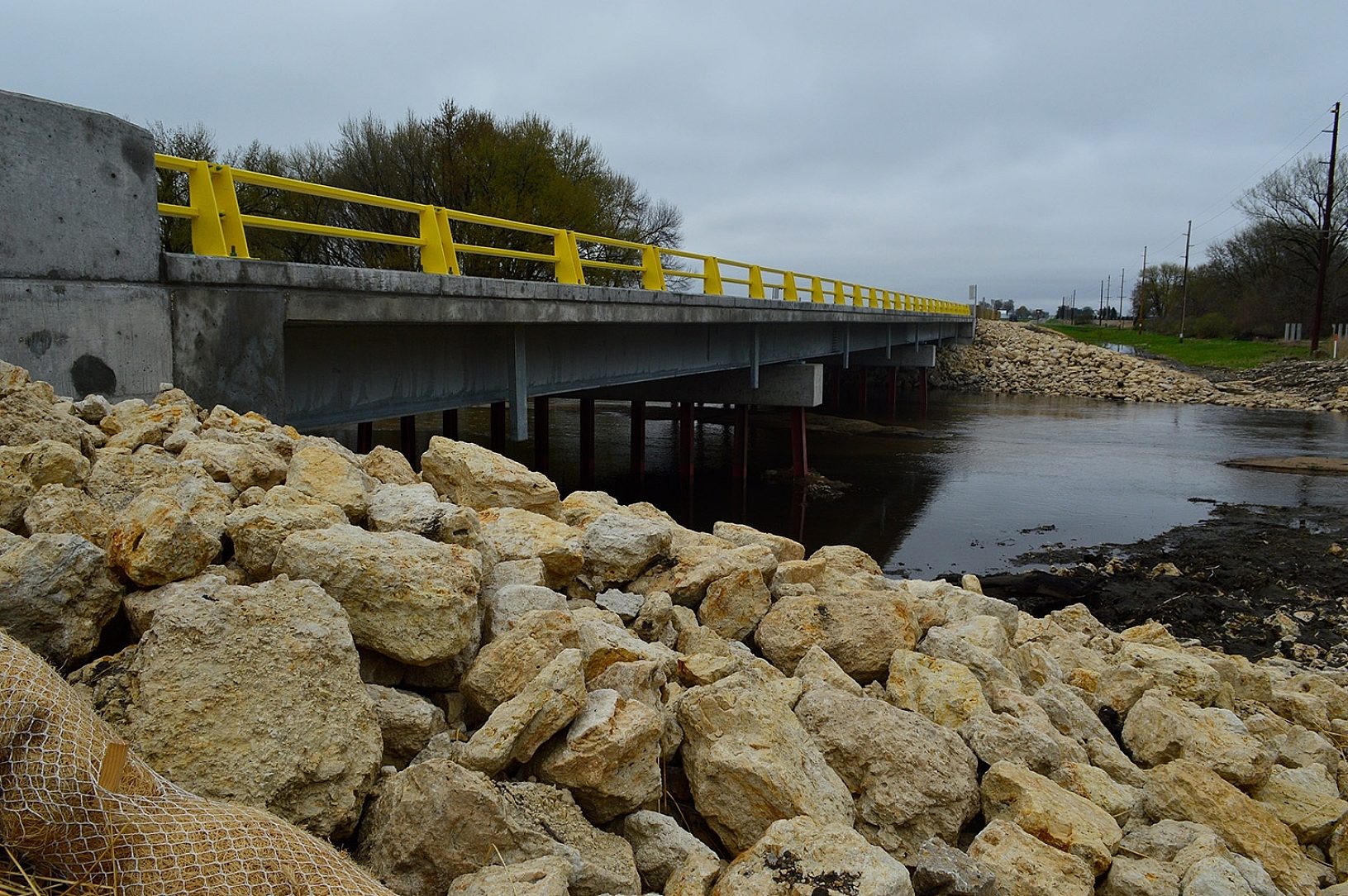
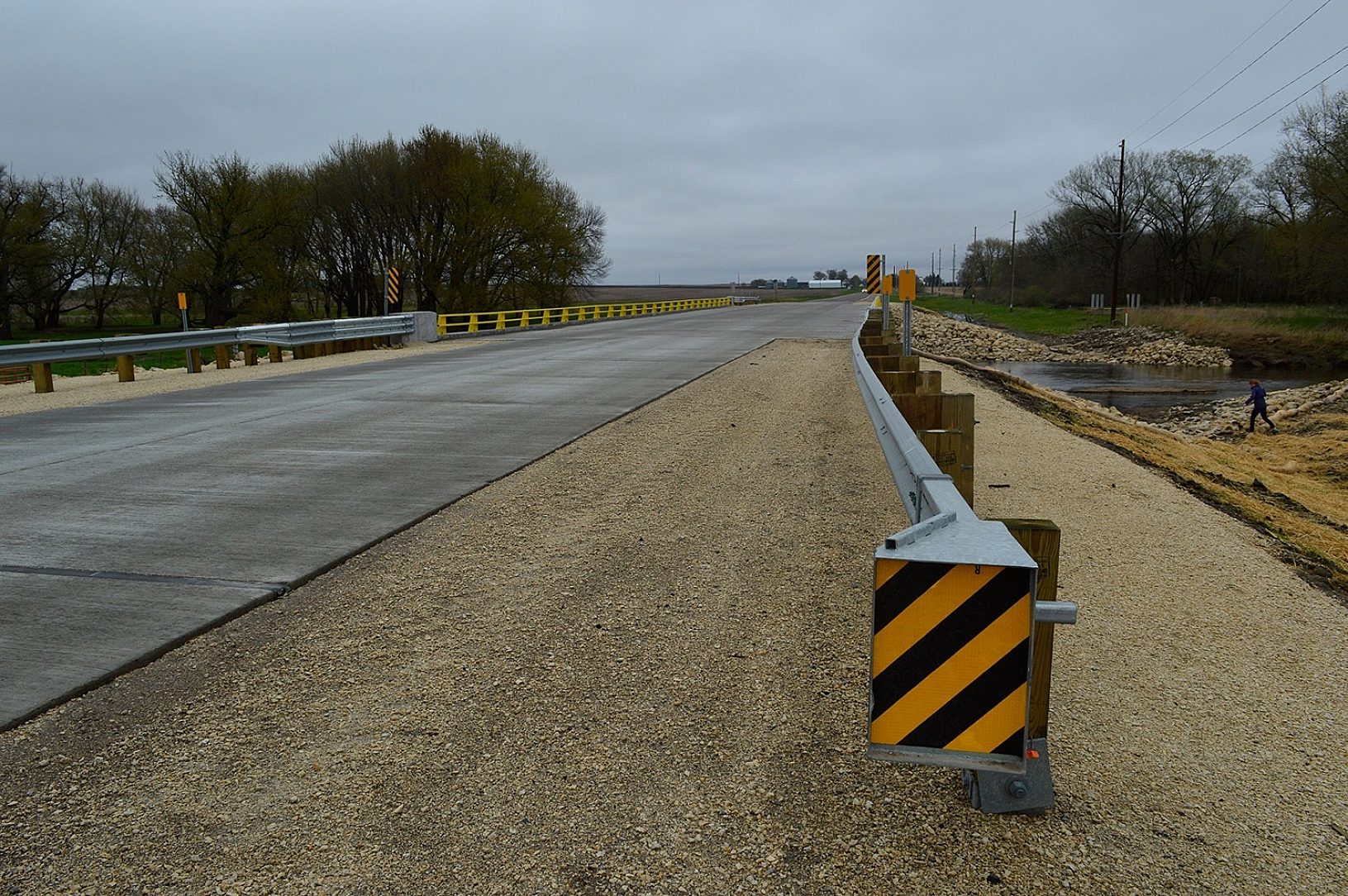
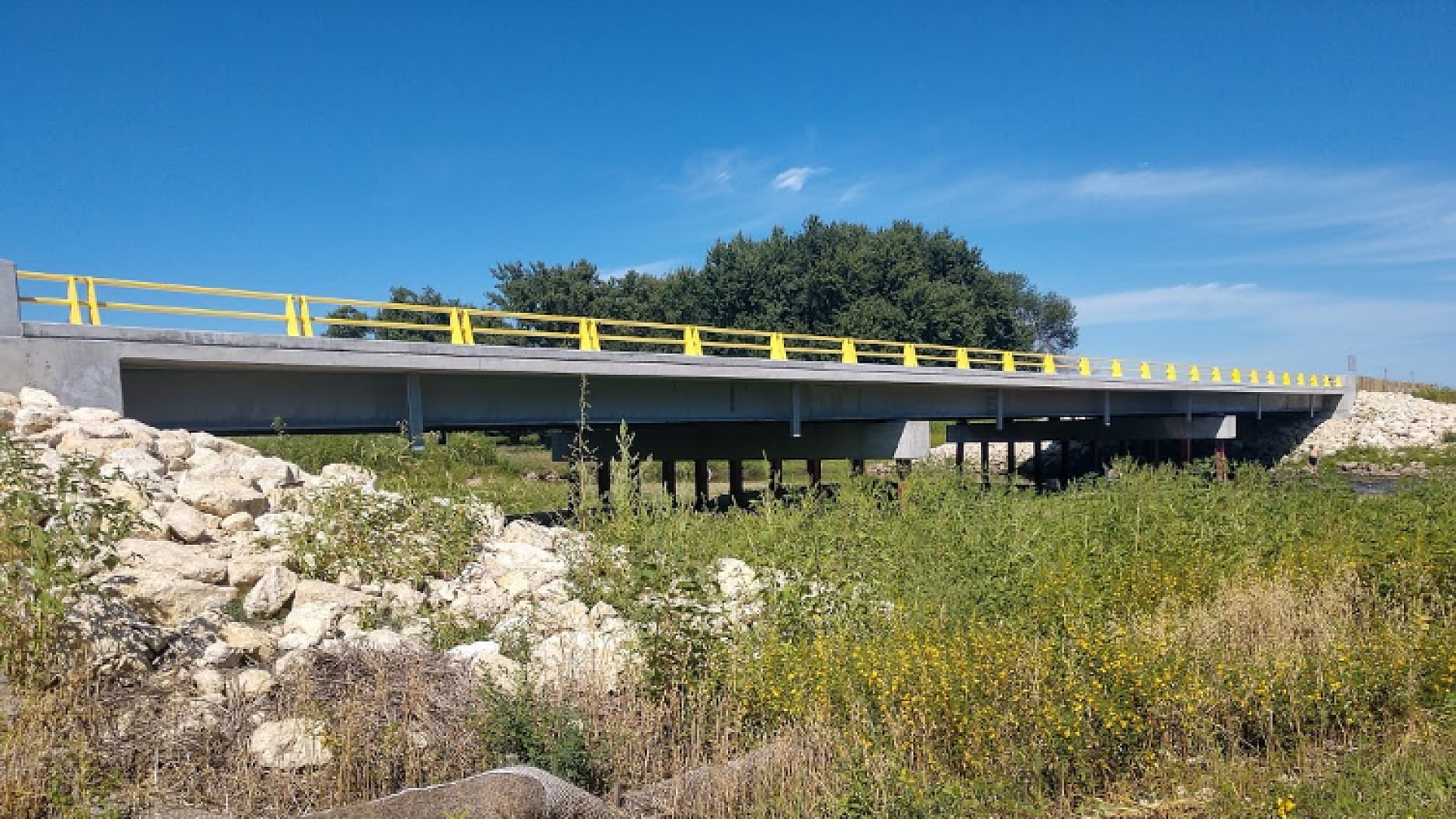
CloseWhen the aging bridge over Buffalo Creek in Independence, Iowa, required replacement, the county chose a forward-thinking design that prioritized durability, accelerated construction, and long-term corrosion resistance. The solution: a modular short span steel bridge using hot-dip galvanized H-piles and superstructure elements, marking a significant shift from traditional concrete-encased steel piles.
“Without a doubt, Buchanan County will certainly build more galvanized steel bridges. It all goes back to economics. It will dictate everything we do. It goes back to cost comparisons and being worried about cost savings in the long run instead of the short term.” - Brian Keierleber, County Engineer of Buchanan County, Iowa
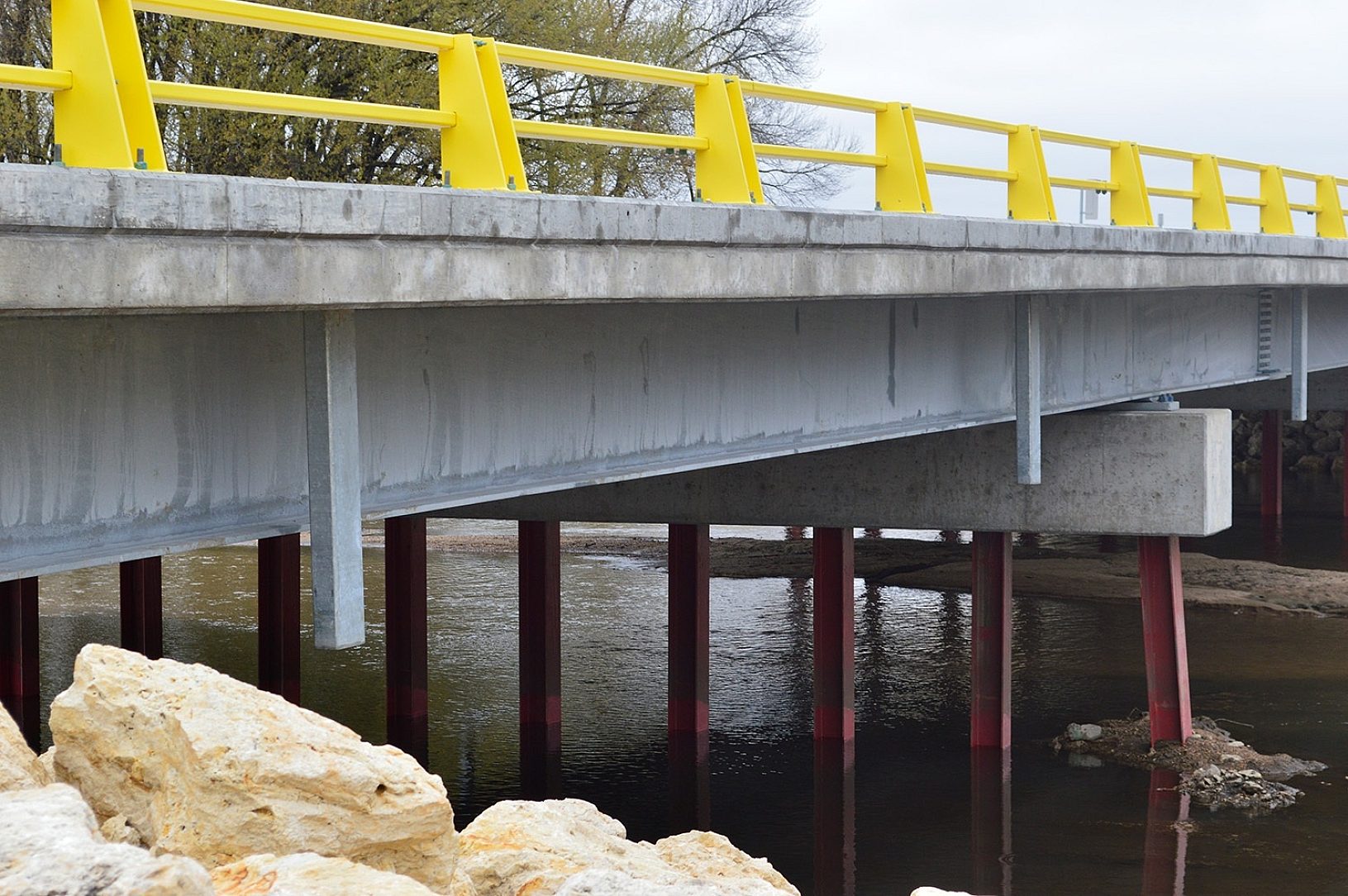
When the Buffalo Creek Bridge replacement was proposed, the team sought a corrosion protection strategy that would stand up to frequent flooding, harsh environmental conditions, and long-term maintenance goals. Traditionally, steel H-piles in this region were encased in concrete for protection, but these systems typically encounter serious deterioration around the 20-year mark due to moisture intrusion and freeze-thaw cycling. Looking for a better solution, Iowa State University (ISU) spearheaded a design shift—replacing concrete-encased piles with hot-dip galvanized (HDG) H-piles, with other components additionally protected using HDG or a duplex system (HDG plus paint). The Buffalo Creek Bridge is the first known county bridge fabricated entirely with hot-dip galvanized steel.
Since installation in 2018, the Buffalo Creek Bridge has experienced frequent flood events, offering real-world stress testing for the coating system. In September 2022, ISU released an interim report based on three years of field performance data. The findings? HDG alone has proven highly effective, even in direct contact with water and soil. A 2022 interim report from Iowa State University (sponsored by the Iowa Highway Research Board) is available, describing the pile performance and the paint used for the duplex system.
The bridge has since endured multiple flooding events with no signs of deterioration on the galvanized steel. The protective zinc layer remains intact, even at cut edges and interfaces. Based on visual inspections and performance feedback, the Buffalo Creek Bridge stands as a testament to how hot-dip galvanizing supports resilient, cost-effective infrastructure—especially in challenging environments. This project exemplifies the forward-thinking design and long-term cost savings that hot-dip galvanizing brings to the table—especially when used in flood-prone infrastructure.
Details
Award Class
Newly Complete
Award Sectors
Bridge & Highway
Environment
Rural
Location
Independence, IA United States
Reasons for Galvanizing
Coating Durability, Corrosion Performance, Ease of Specifying, Life-Cycle Cost, Sustainability
Components Galvanized
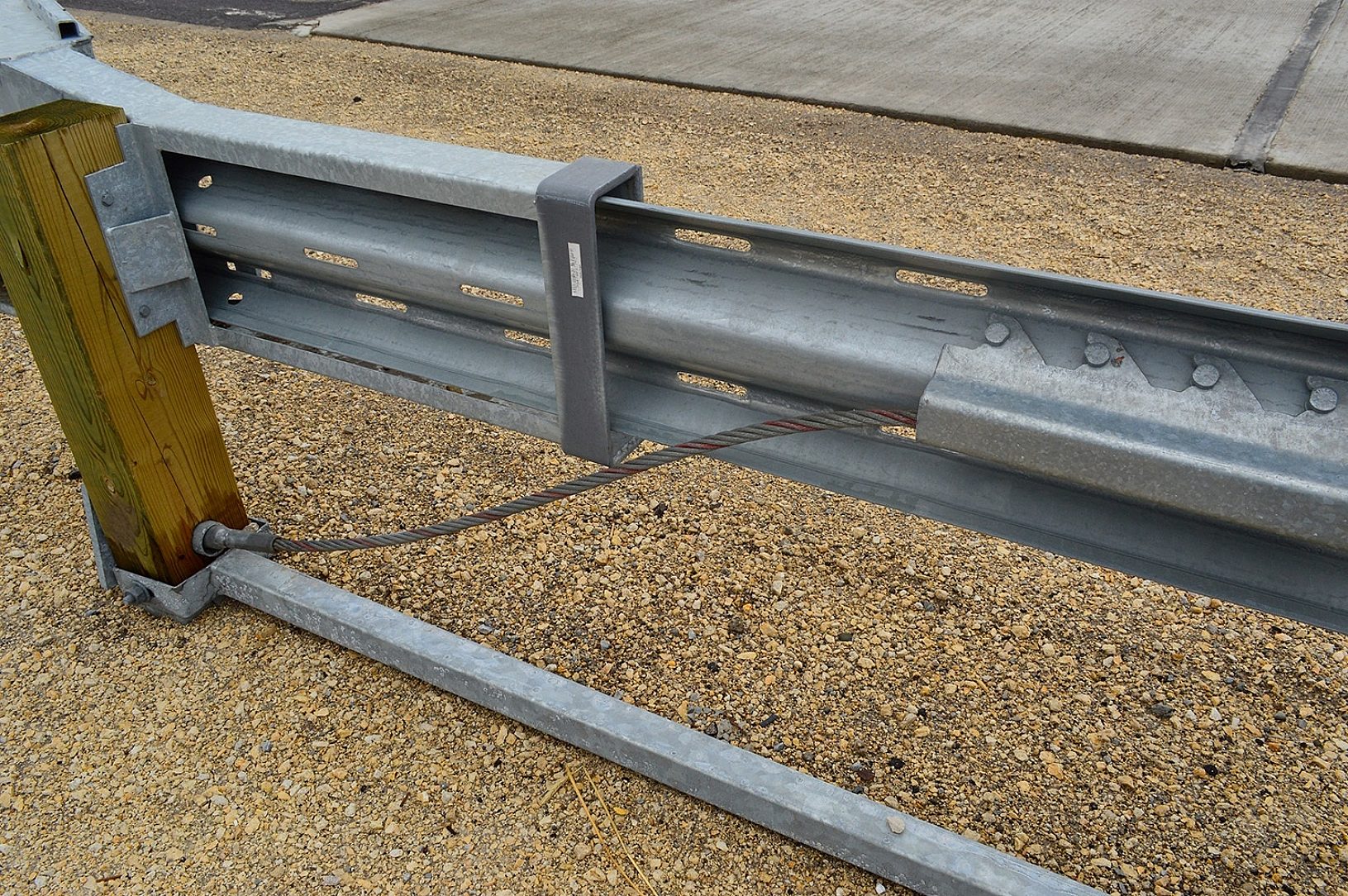
H-piles, steel beams, girders, rebar, and miscellaneous steel elements
guardrails and H-piles utilize a duplex coating
Team Members
Engineer
Brian Keierleber
Buchanan County Engineer
Fabricator
Gary Wisch
DeLong's Inc
Thank you! Your vote has been accepted.