Menu • Quick Links • Search
Login
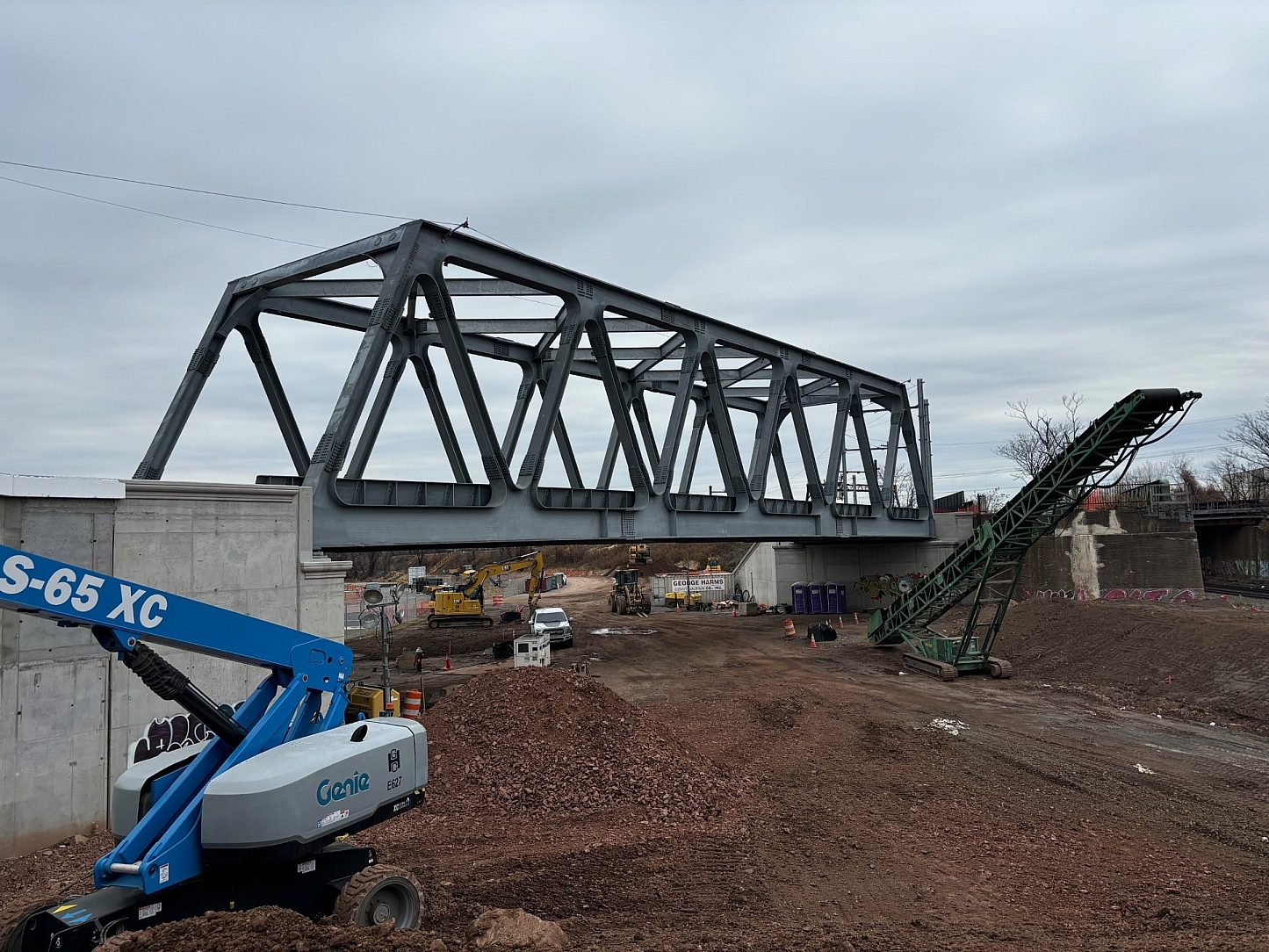
CloseThe NJ Transit Wye Track Bridge, located between Van Keuren Avenue and St. Paul’s Avenue in Jersey City, is undergoing full reconstruction as part of a New Jersey Department of Transportation corridor improvement initiative. This area serves as a critical freight and commuter rail hub, where aging railroad structures-including the Morristown Line Bridge and the Wye Track Bridge- required replacement to enhance safety, structural performance, and long-term reliability.
The project includes demolition and reconstruction of the existing wye-configuration rail bridge spanning West Side Avenue. To safely complete steel, concrete, and bearing installations, West Side Avenue was closed between Van Keuren Avenue and St. Paul’s Avenue for the duration of construction. The bridge replacement supports NJDOT’s broader plan to construct a new two-lane roadway, improving truck circulation, modernizing roadway geometry, and reducing congestion along this heavily traveled industrial corridor.
The reconstructed Wye Track Bridge will provide NJ Transit with a more resilient rail asset while supporting regional freight movement and future transportation needs in Jersey City.
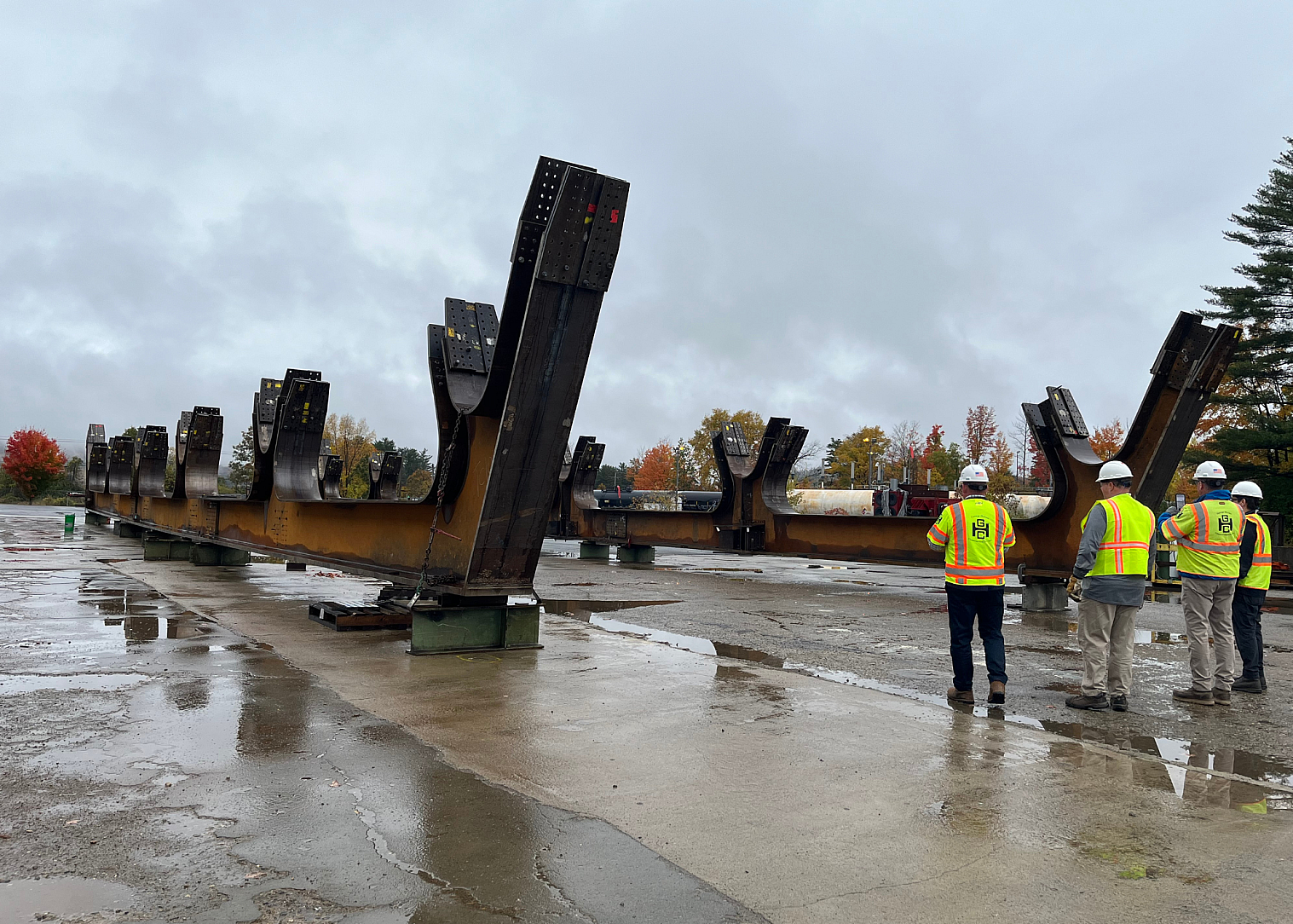
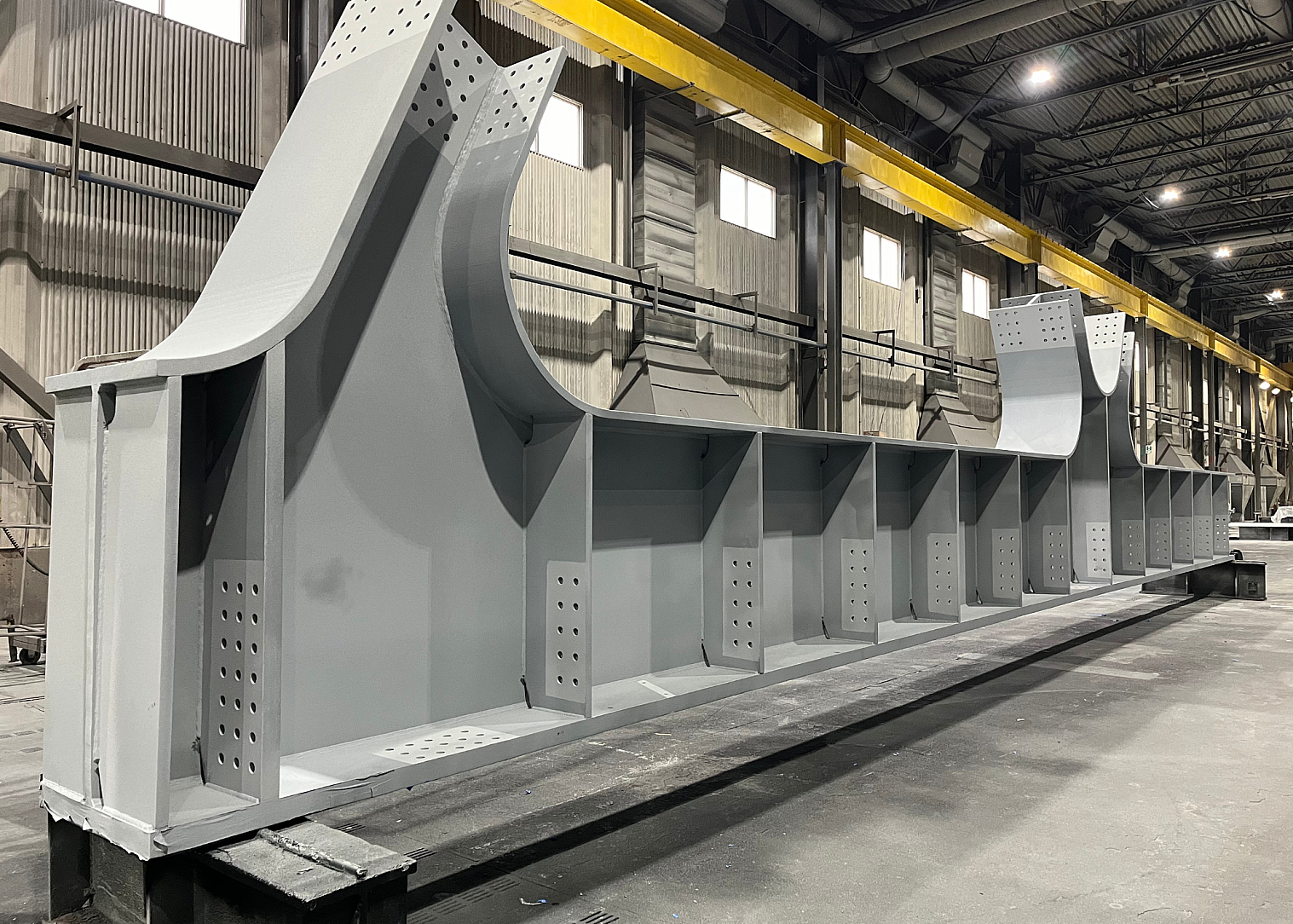
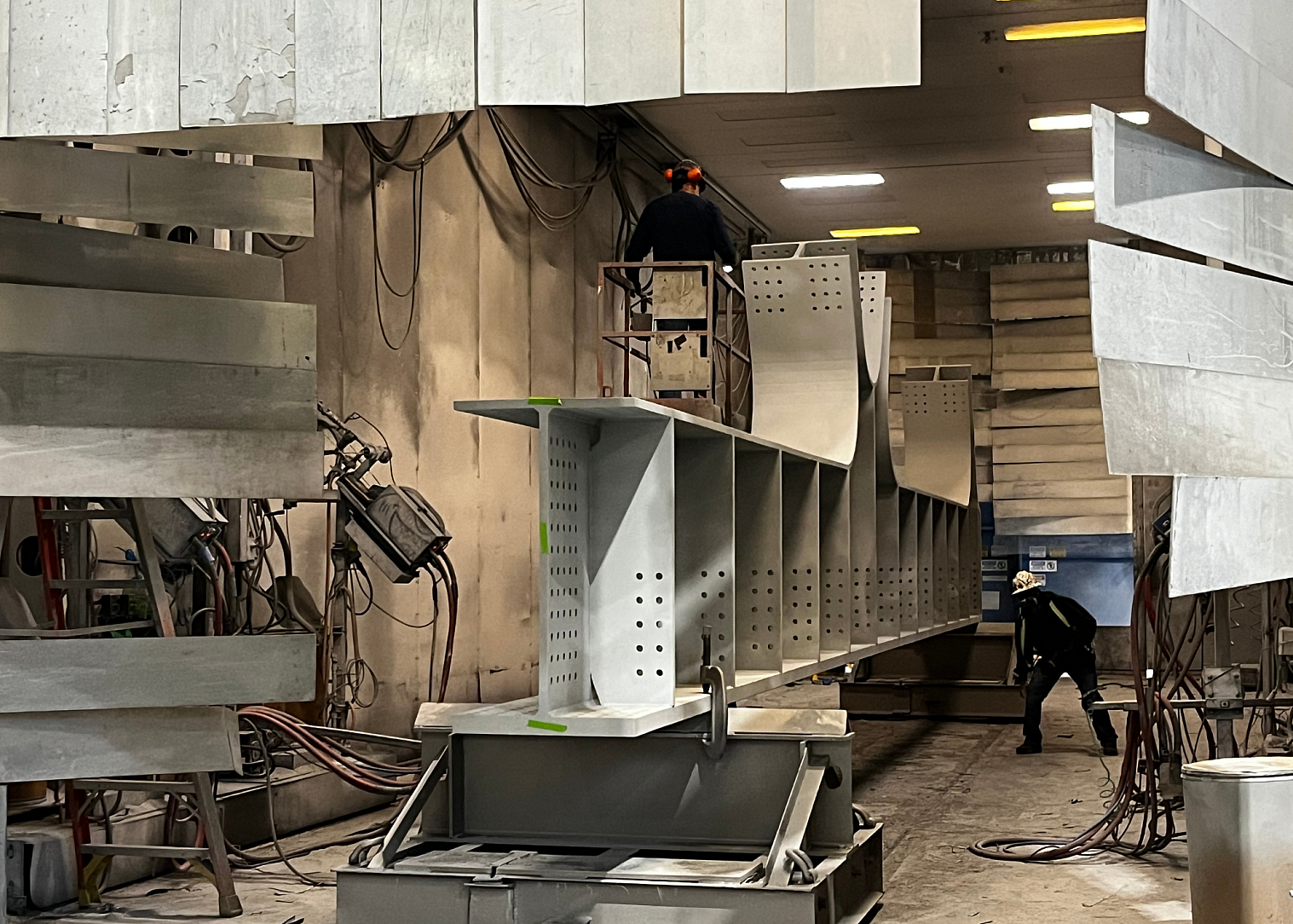
During the initial planning phase, the NJ Transit did an analysis of the bridge and concluded that the bridge will need to be replaced due to high frequency of travel and to help improve the safety and structural integrity of the 144’ bridge. Hot dip galvanizing was chosen because it gave a solution for long term durability and protection from corrosion of the bridge which will help protect the bridge due to the industrial environment in the local area.
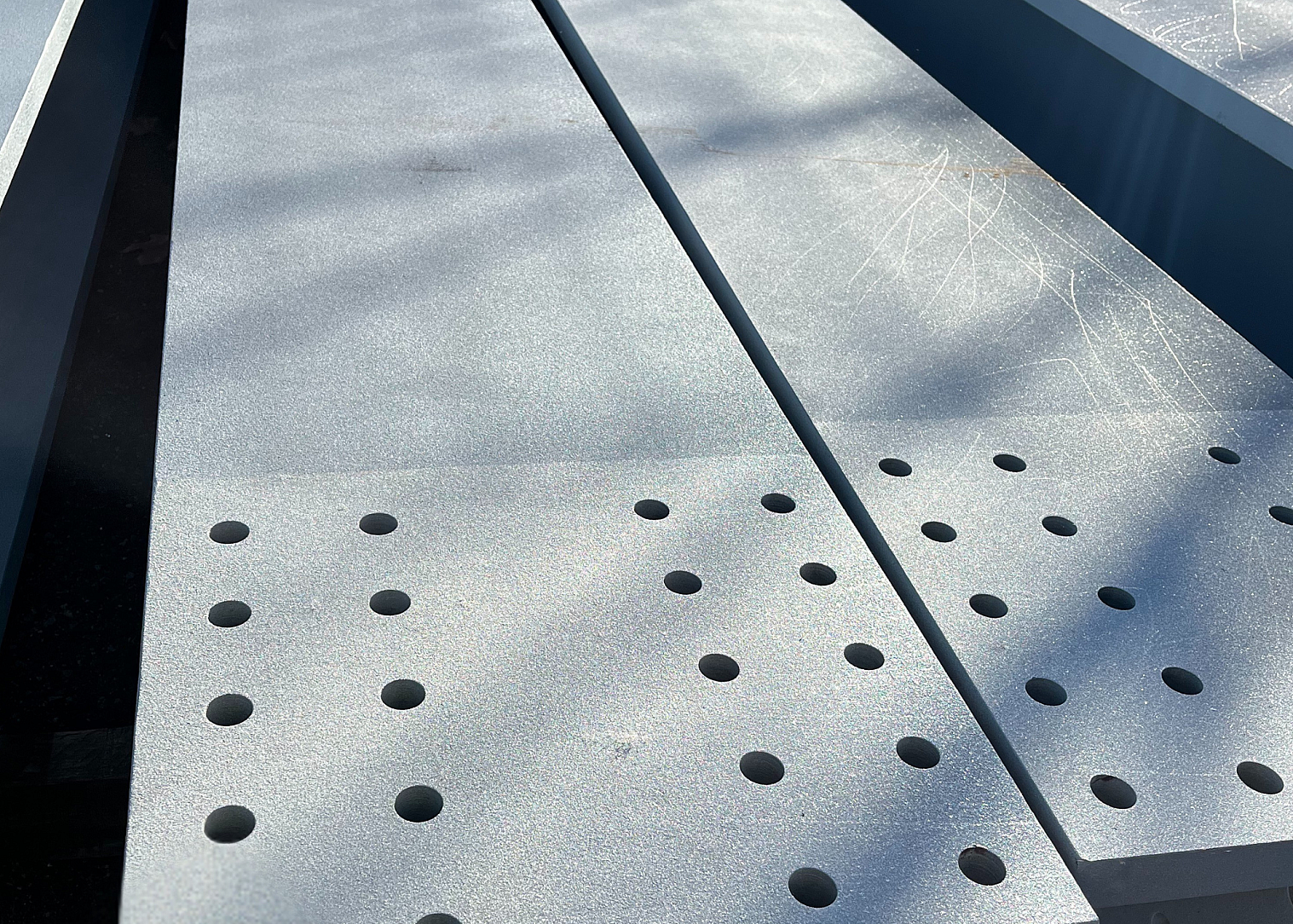
In areas where galvanizing alone was not feasible due to fabrication sequencing, connection complexity, or field-installed components, metallizing was applied to provide supplemental zinc protection. Used together, hot-dip galvanizing and metallizing created a continuous, compatible zinc-based corrosion protection system across the entire structure. This combined approach ensured consistent long-term performance, protected critical connection areas, and reduced the need for future repairs, ultimately lowering lifecycle costs and minimizing service disruptions to rail operations.
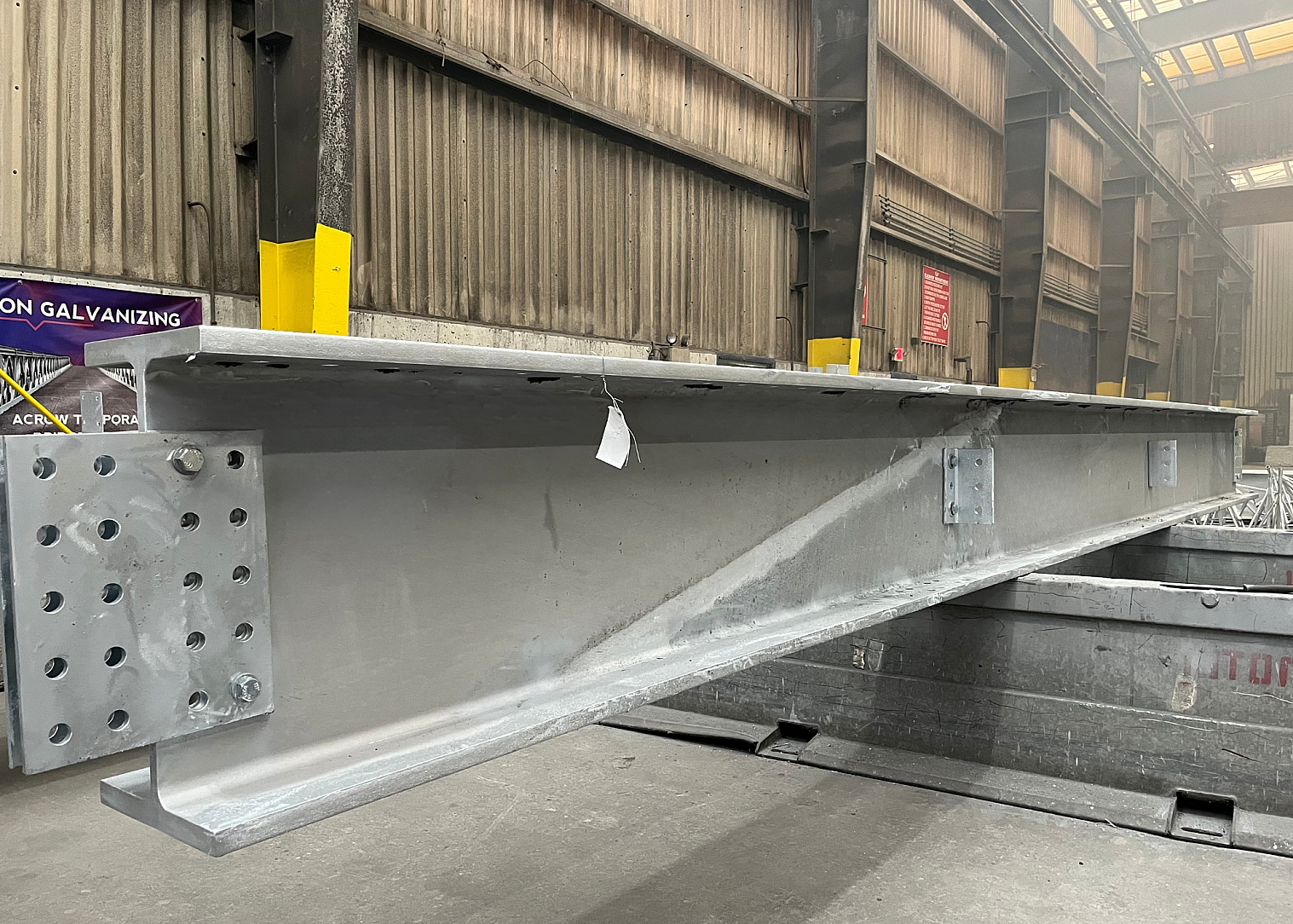
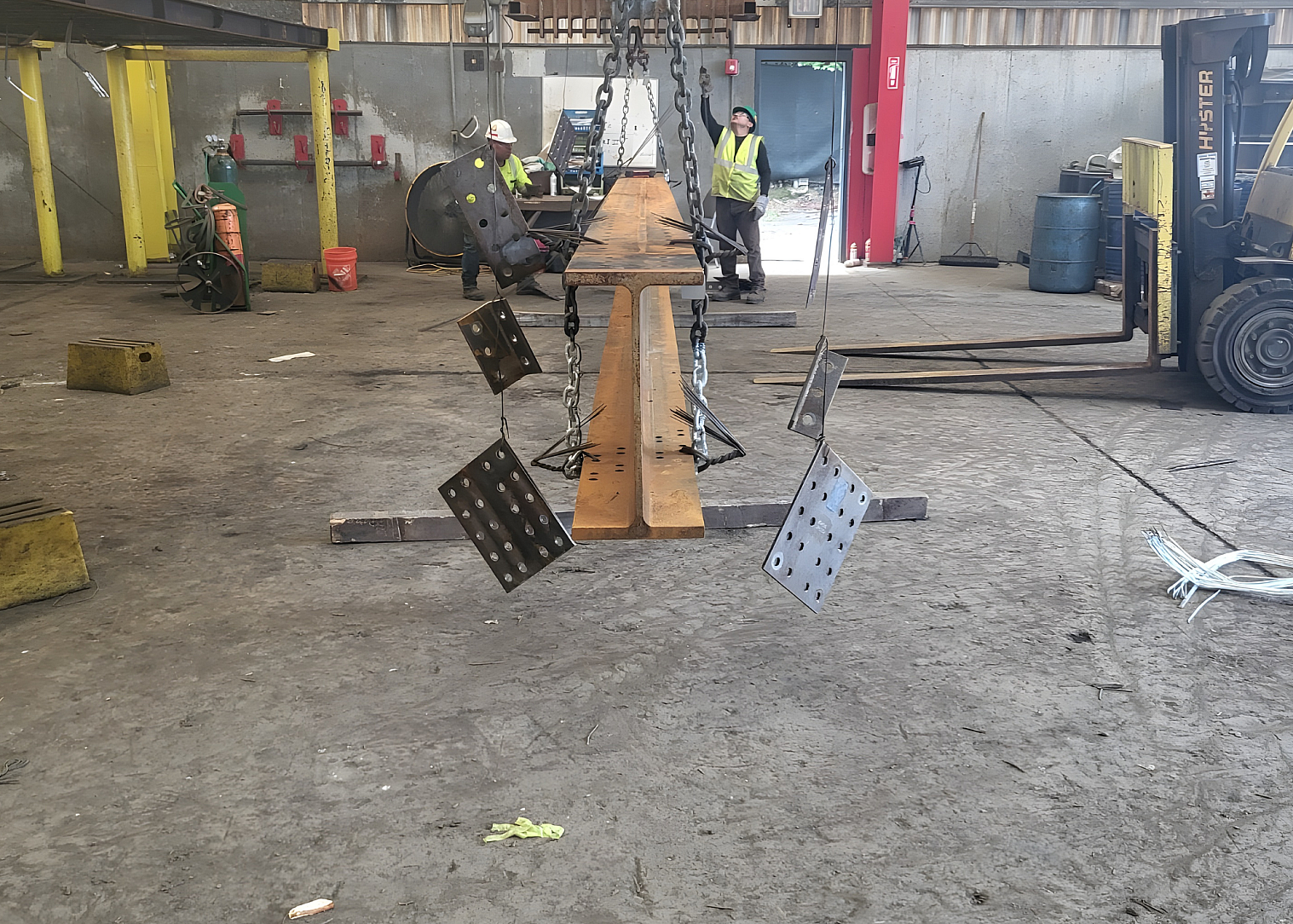
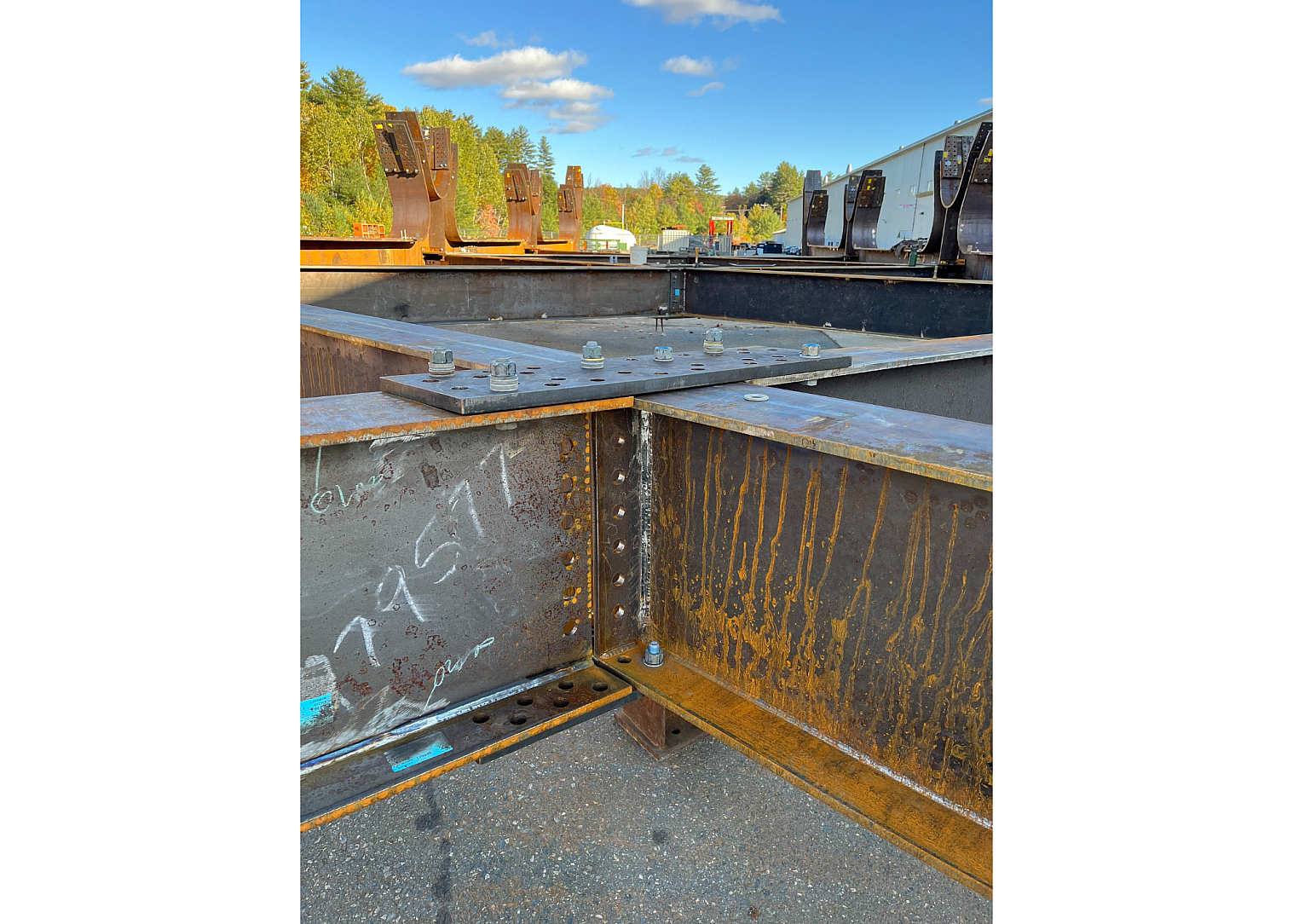
Due to the confined jobsite conditions in Jersey City, many plate assemblies could not be assembled and bolted in the field. Early in the planning process, the fabricator and GC determined that bolted connection plates would need to be installed off-site. To help streamline construction and reduce both time and cost, the galvanizer assisted by bolting the connection plates to the floor beams in their yard prior to delivery. This off-site preparation allowed the fabricator and general contractor to efficiently erect the bridge with minimal downtime, helping keep the project on schedule while maintaining high standards of quality and safety.
Details
Award Class
Newly Complete
Award Sectors
Bridge & Highway
Environment
Suburban
Location
Jersey City, NJ United States
Reasons for Galvanizing
Coating Durability, Corrosion Performance, Life-Cycle Cost
Components Galvanized
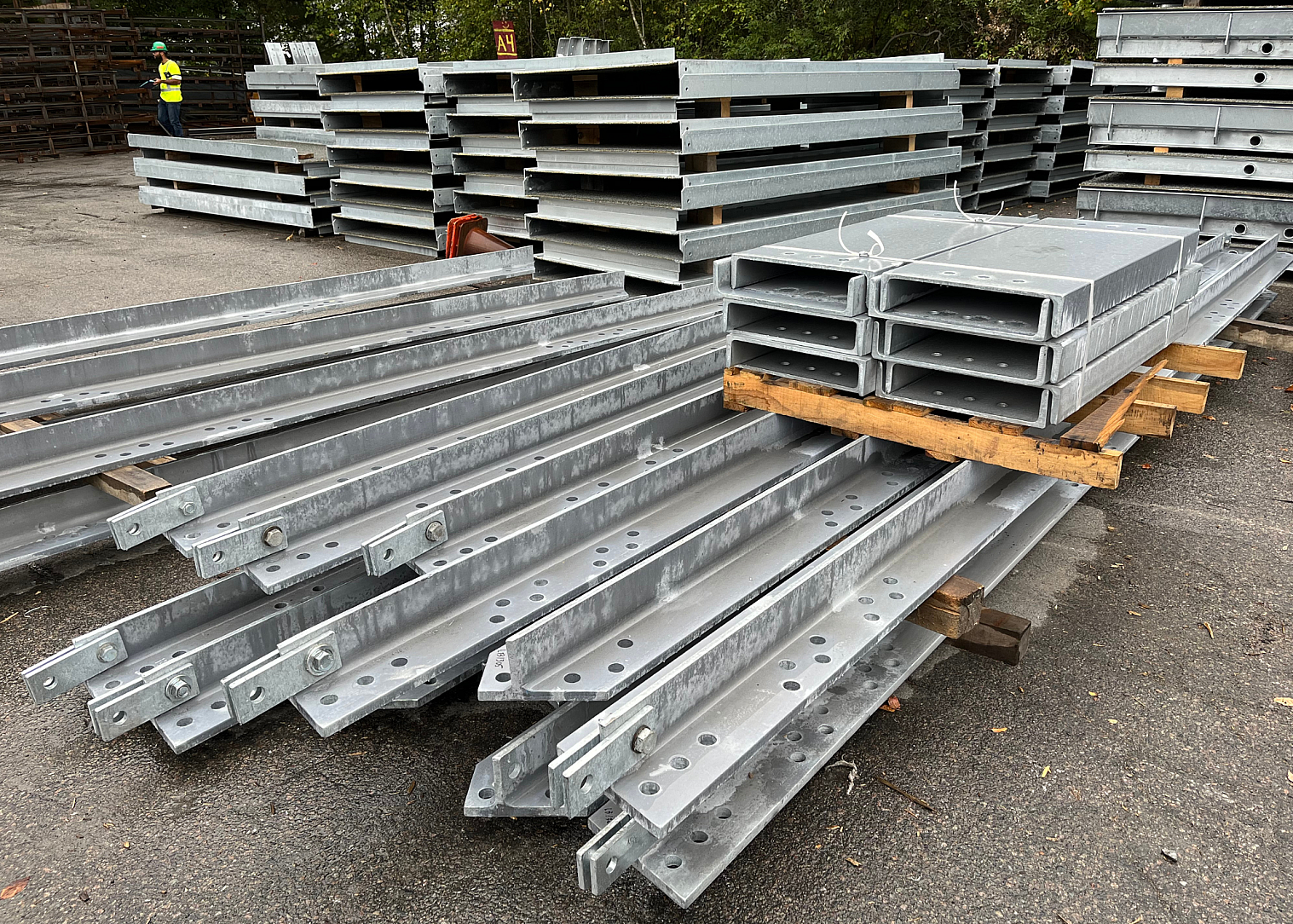
Beams, Angles, Braces, and Plates
Tonnage/Size
Steel: 207
HDG: 207
Team Members
Fabricator
Canam Bridges
Other
George Harms Construction
Owner
NJDOT
Member Galvanizer(s)
V&S Taunton Galvanizing LLC
Thank you! Your vote has been accepted.