Menu • Quick Links • Search
Login
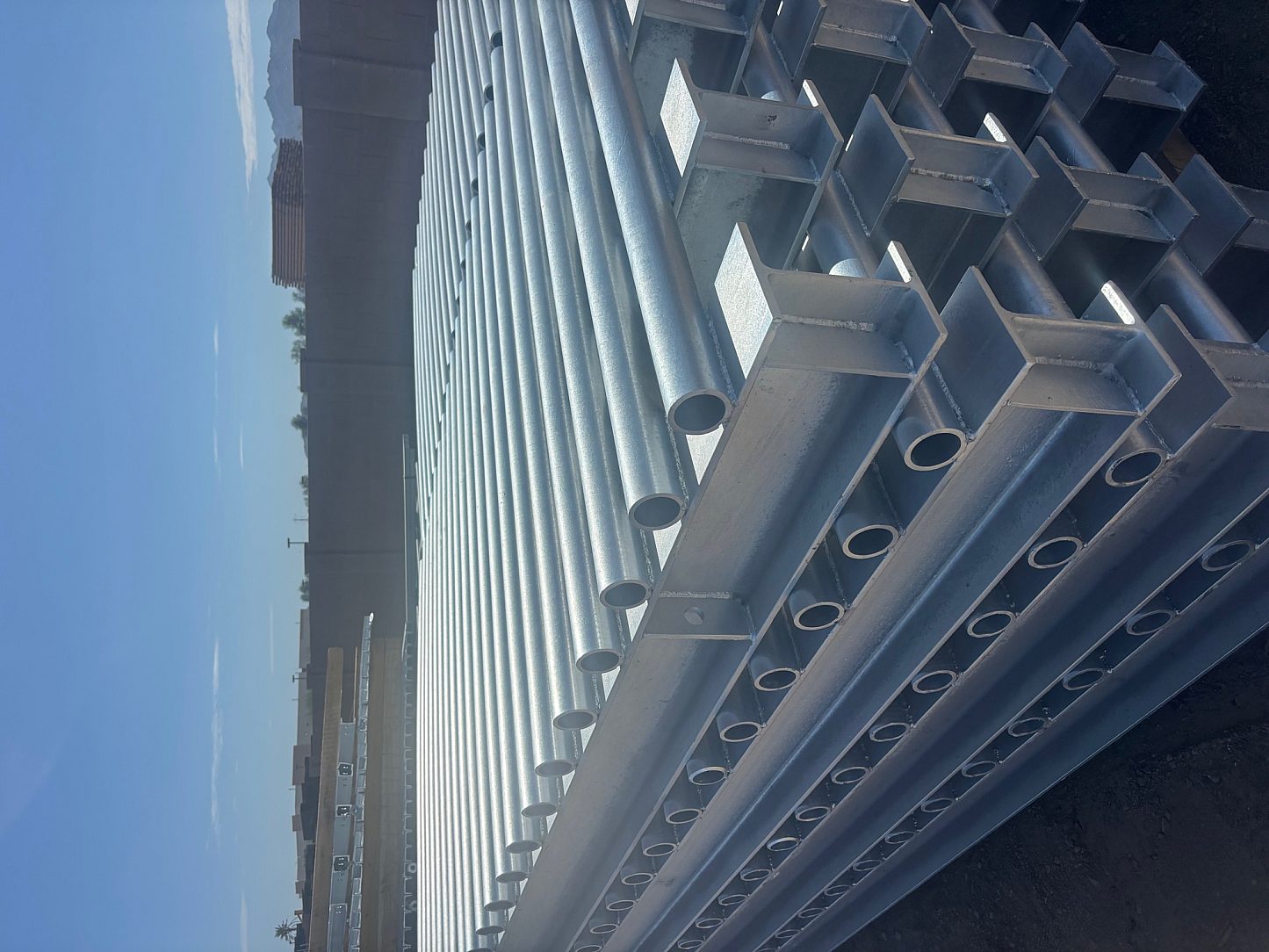
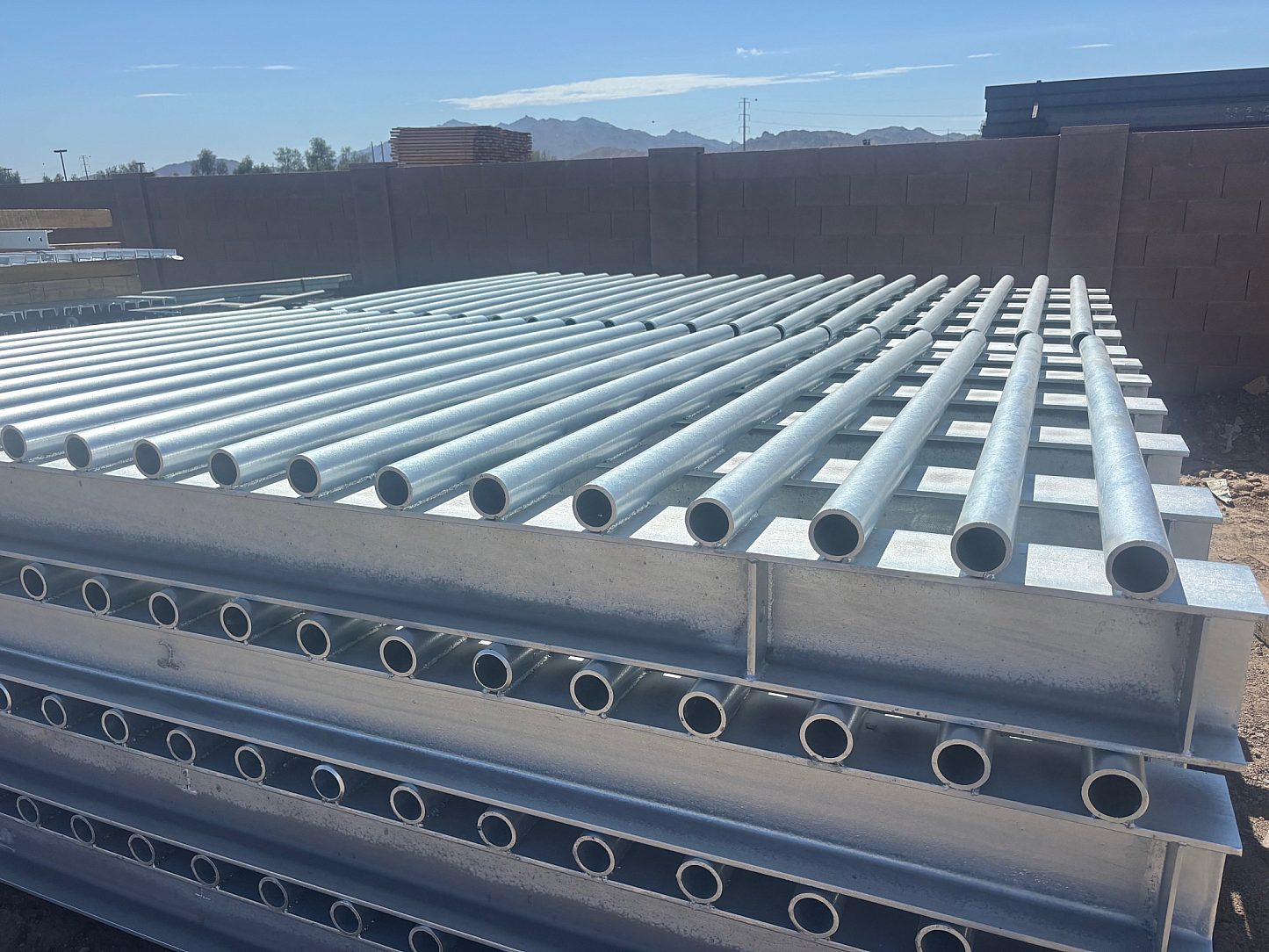
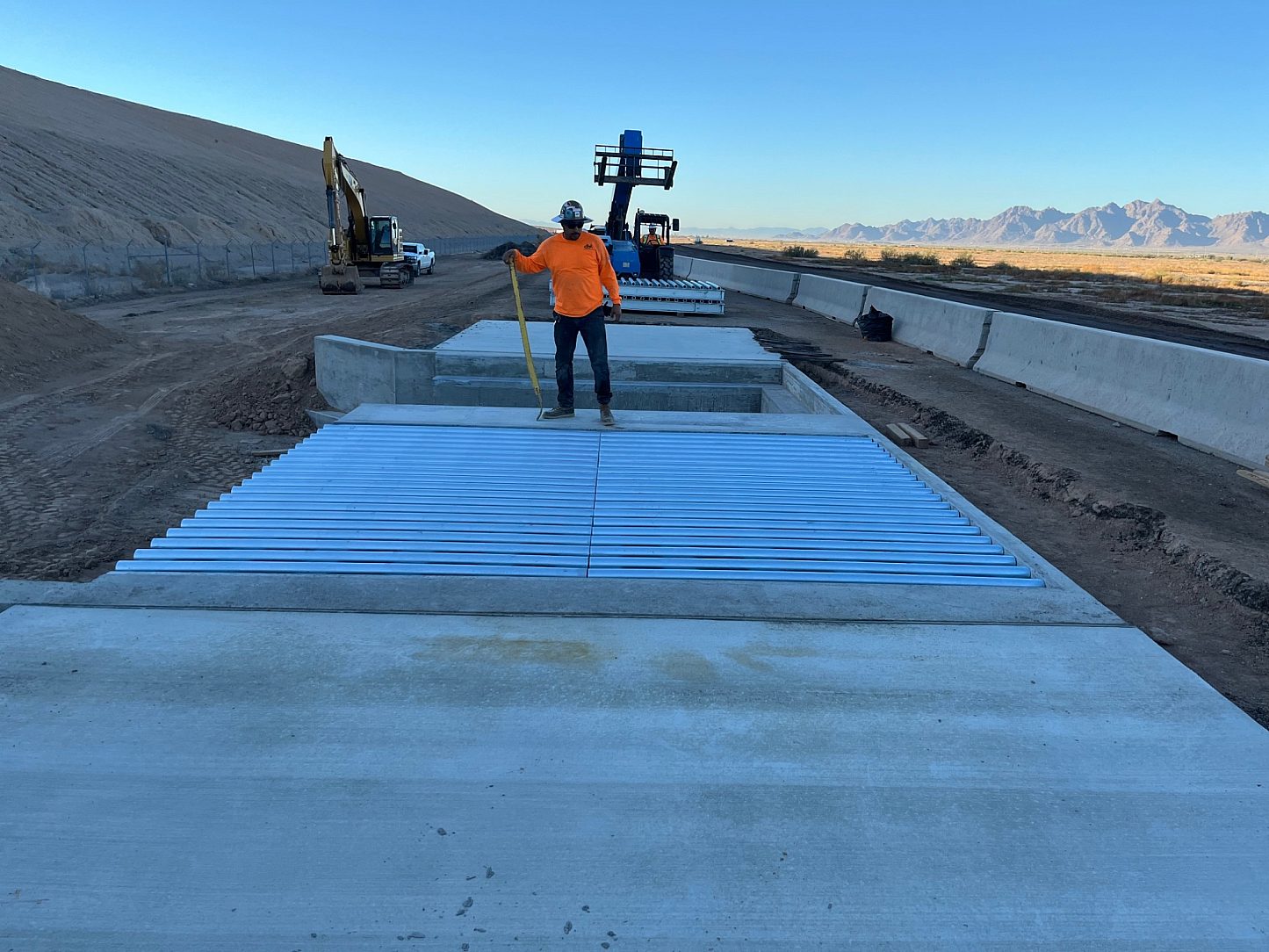
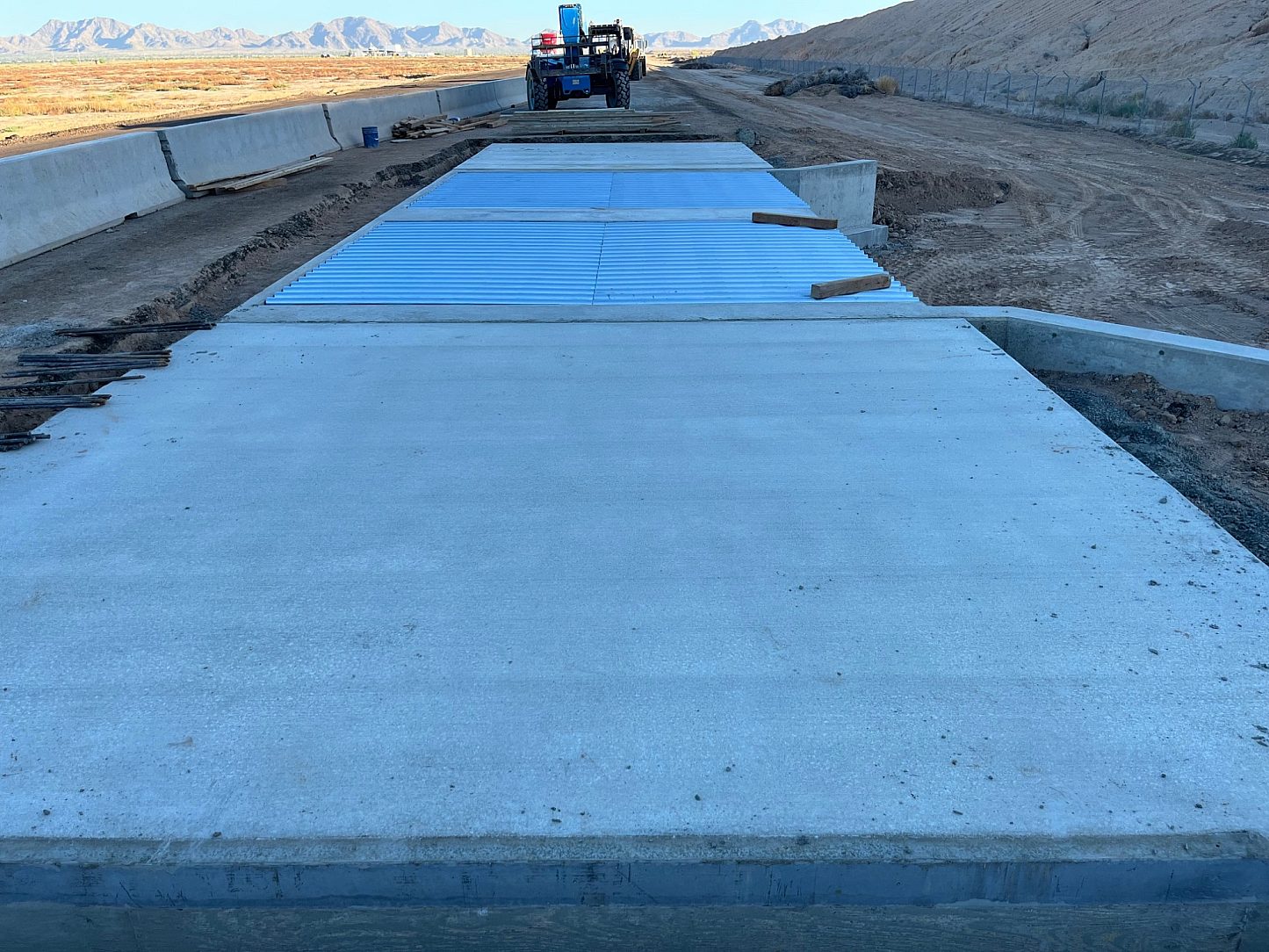
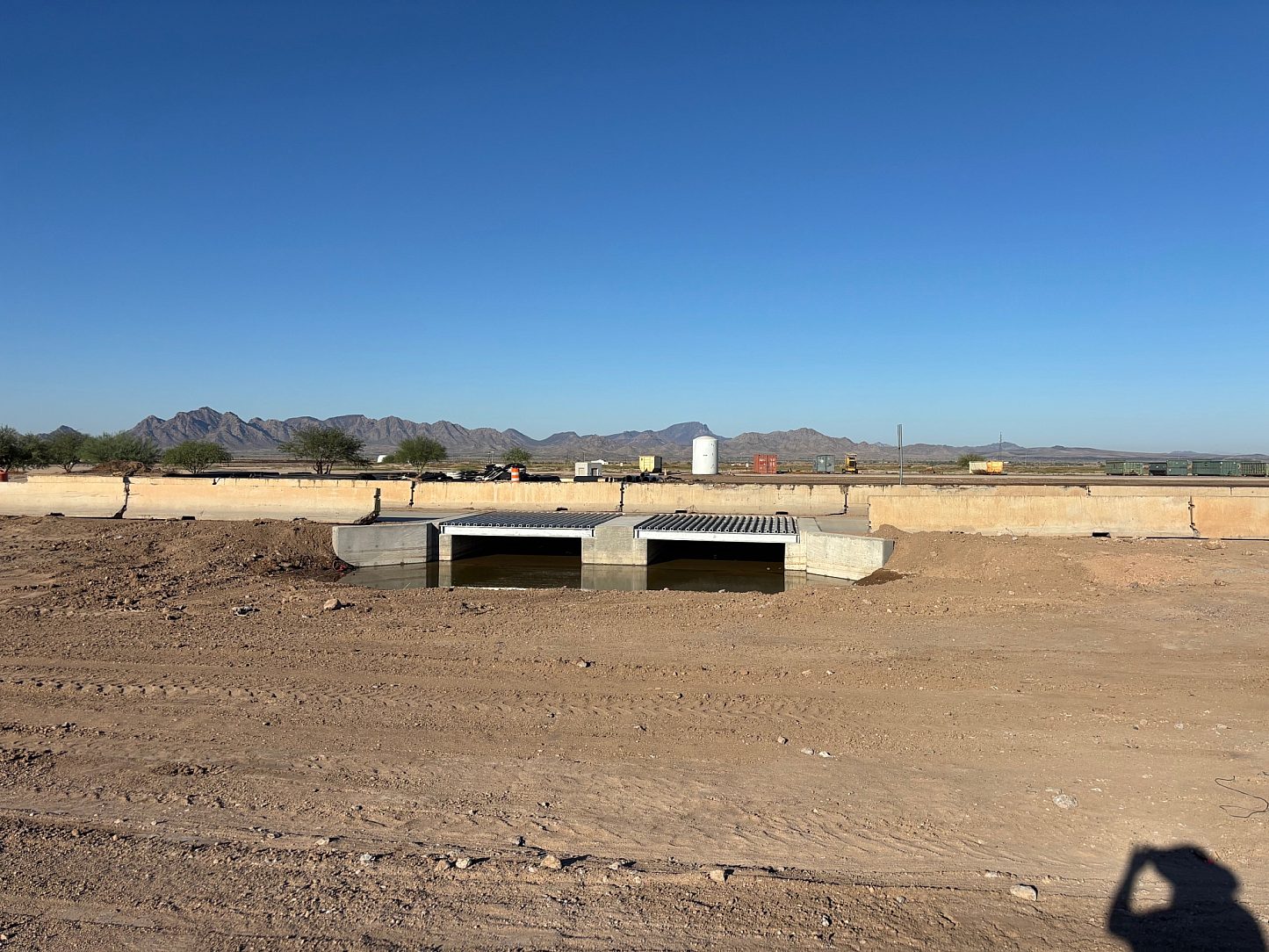
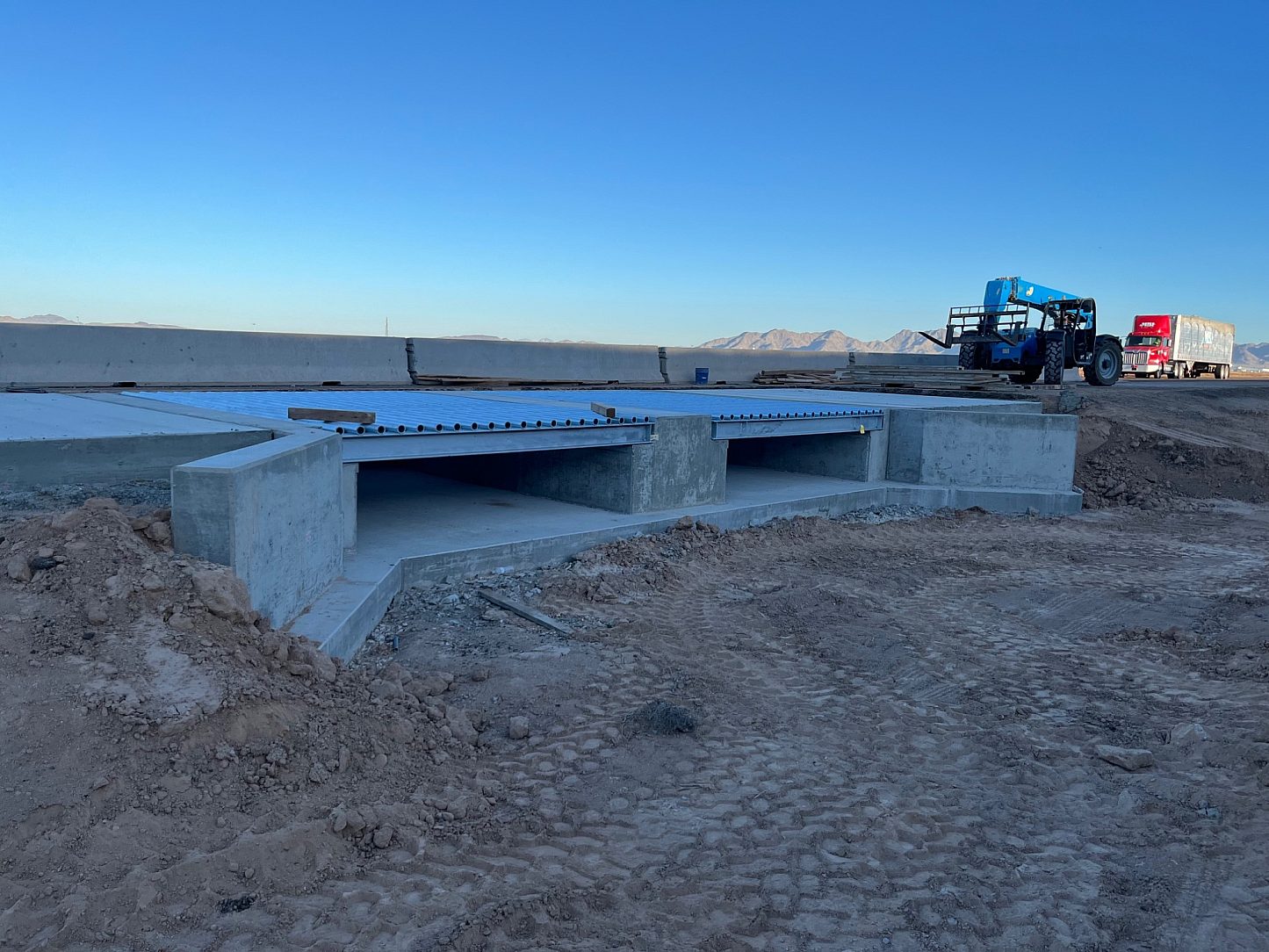
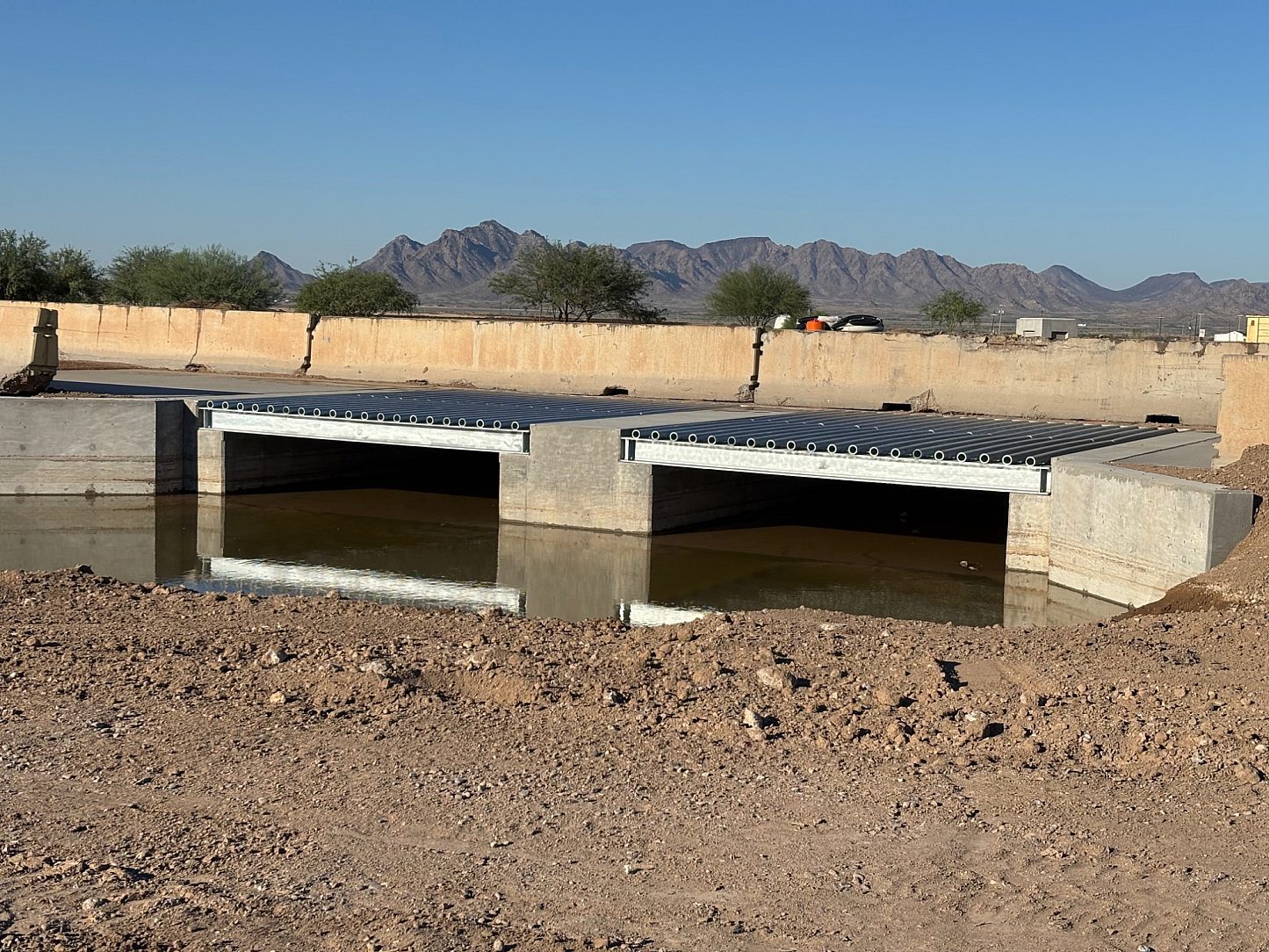
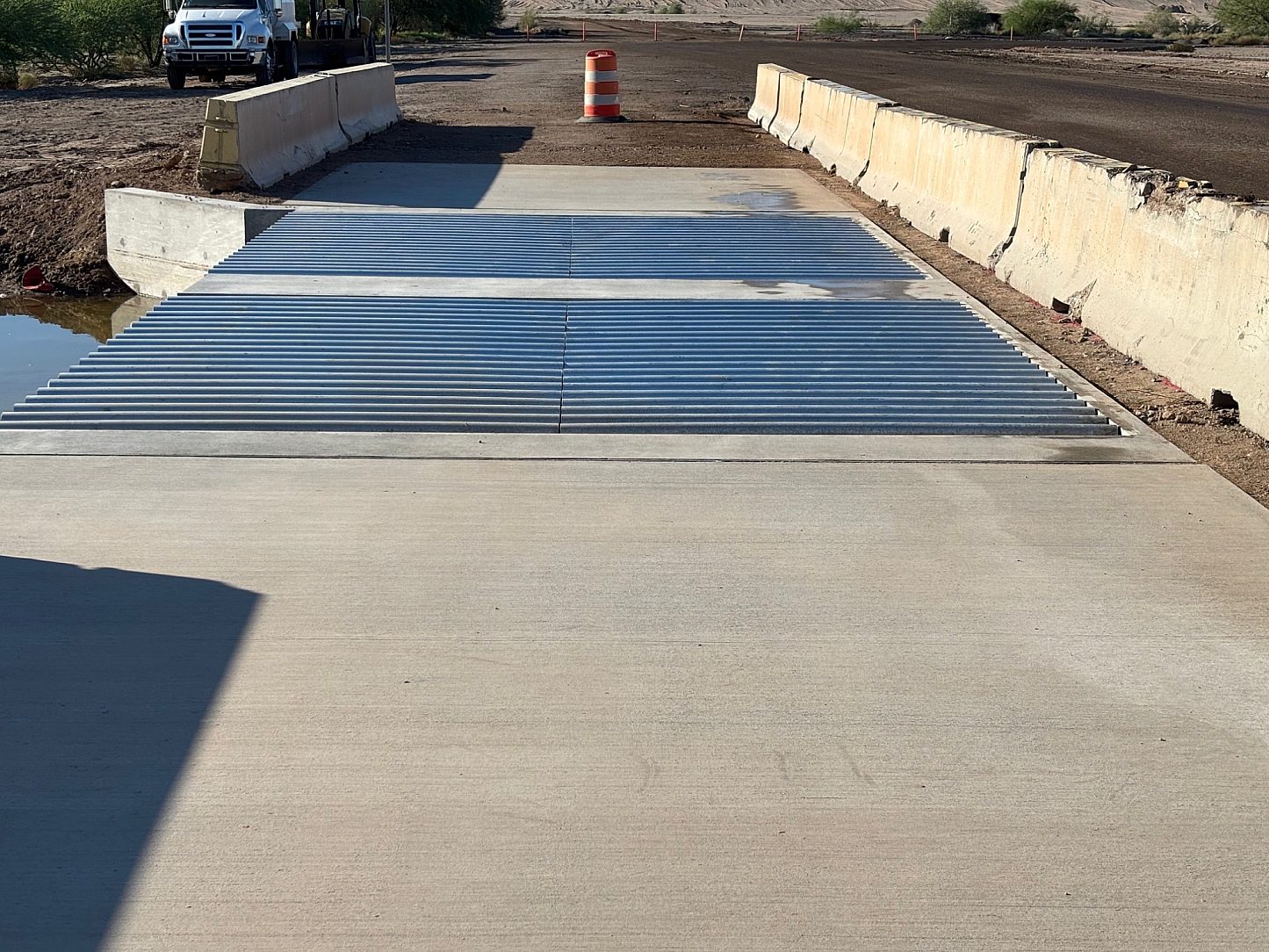
CloseEngineered for permanent installation, this rumble rack incorporates a series of closely spaced galvanized steel members integrated into a substantial concrete foundation. The raised steel surfaces create the vibrations necessary for effective tire cleaning, while recessed concrete collection areas capture the mud, soil, and debris dislodged from passing vehicles. This integrated design helps prevent accumulated material from being tracked beyond the landfill while allowing collected debris to be removed during routine maintenance. The configuration requires a careful balance of structural strength, member spacing, and load distribution to accommodate repeated heavy vehicle traffic without compromising its debris-removal function.
Hot-dip galvanized steel is the preferred material for a rumble rack utilized at a landfill due to its superior corrosion resistance, durability, and long-term performance in harsh operating environments.
Every truck leaving a landfill carries more than the material it delivered. At a landfill in Buckeye, Arizona, mud, dirt, and debris accumulate in tire treads as heavy vehicles navigate unpaved roads, disposal areas, and active working surfaces. Without an effective means of removing that buildup, much of it can be carried beyond the facility's boundaries and onto surrounding roadways. Preventing this seemingly routine consequence of landfill operations is an important part of maintaining cleaner access roads, minimizing off-site debris, and supporting responsible environmental management. One practical solution is the rumble rack, a heavy-duty steel structure designed to shake loose accumulated material as trucks pass over its raised surfaces. As vehicle tires travel across the rack, repeated changes in elevation create vibrations that help dislodge mud, soil, and debris before trucks exit the facility. The concept is straightforward, but the operating conditions are anything but. Engineered for permanent installation, this rumble rack incorporates a series of closely spaced galvanized steel members integrated into a substantial concrete foundation. The raised steel surfaces create the vibrations necessary for effective tire cleaning, while recessed concrete collection areas capture the mud, soil, and debris dislodged from passing vehicles. This integrated design helps prevent accumulated material from being tracked beyond the landfill while allowing collected debris to be removed during routine maintenance. The configuration requires a careful balance of structural strength, member spacing, and load distribution to accommodate repeated heavy vehicle traffic without compromising its debris-removal function. Few applications expose steel to such a relentless combination of mechanical stress and environmental conditions. Fully loaded trucks repeatedly cross the rack, subjecting its structural members to concentrated wheel loads, vibration, and abrasive contact. Buckeye's desert climate introduces additional considerations, with intense summer heat, airborne dust, and seasonal monsoon storms contributing to challenging operating conditions. Mud, moisture, organic material, and potentially corrosive contaminants can accumulate around structural components, creating conditions that accelerate the deterioration of unprotected steel. The structure must withstand not only the weight and movement of heavy vehicles but also prolonged exposure to the very materials it is designed to remove. These demanding conditions make corrosion protection a fundamental consideration in the rack's design. Hot-dip galvanizing provides a durable solution by creating a series of metallurgically bonded zinc-iron alloy layers on the steel surface. The resulting coating offers both barrier protection against corrosive elements and sacrificial protection when localized damage exposes the underlying steel. Unlike conventional paint systems that can be vulnerable to chipping, peeling, and abrasion, hot-dip galvanizing provides a tough, abrasion-resistant coating well suited to demanding industrial environments. Its ability to protect exposed edges, corners, connections, and accessible recessed surfaces is particularly valuable for fabricated assemblies where ongoing maintenance can be difficult. The benefits extend beyond corrosion resistance. Landfills operate on demanding schedules, and interruptions to vehicle movement can affect daily operations. A rumble rack requiring frequent surface preparation, repainting, or corrosion-related repairs can introduce additional maintenance demands and potential disruptions. By providing long-lasting protection without the need for routine recoating, hot-dip galvanizing helps minimize maintenance requirements and supports dependable performance throughout the structure's service life. Although the initial investment may exceed that of some alternative coating systems, reduced maintenance and the potential for extended service life can deliver significant long-term economic value. The project also demonstrates how durable infrastructure can contribute to broader sustainability objectives. By dislodging mud and debris from truck tires and directing it into designated concrete collection areas, the rumble rack helps reduce off-site sediment tracking and supports cleaner surrounding roadways. Galvanizing reinforces that environmental purpose by extending the useful life of the steel and potentially reducing the need for repeated coating applications, repairs, and premature replacement. Fewer maintenance interventions and longer replacement intervals can conserve materials, reduce waste, and limit the resources associated with manufacturing and transporting replacement components. At the end of its useful life, the galvanized steel can also be recycled, further supporting responsible resource management. A rumble rack may never attract much attention, but its value is demonstrated through the countless trucks it serves, the debris it prevents from reaching surrounding roadways, and the years of dependable performance it provides. By combining purposeful engineering with the long-term corrosion protection of hot-dip galvanizing, this project demonstrates how even the most utilitarian infrastructure can make a meaningful contribution to operational efficiency, environmental stewardship, and sustainable facility management.
Details
Award Class
Newly Complete
Award Sectors
Bridge & Highway
Industrial
Other/Unsure
Transportation
Environment
Rural
Location
Buckeye, AZ United States
Reasons for Galvanizing
Coating Durability, Corrosion Performance
Components Galvanized
The entire fabrication was HDG. Pipe and I-beam
Tonnage/Size
Steel: 6
HDG: 6
Thank you! Your vote has been accepted.