Menu • Quick Links • Search
Login
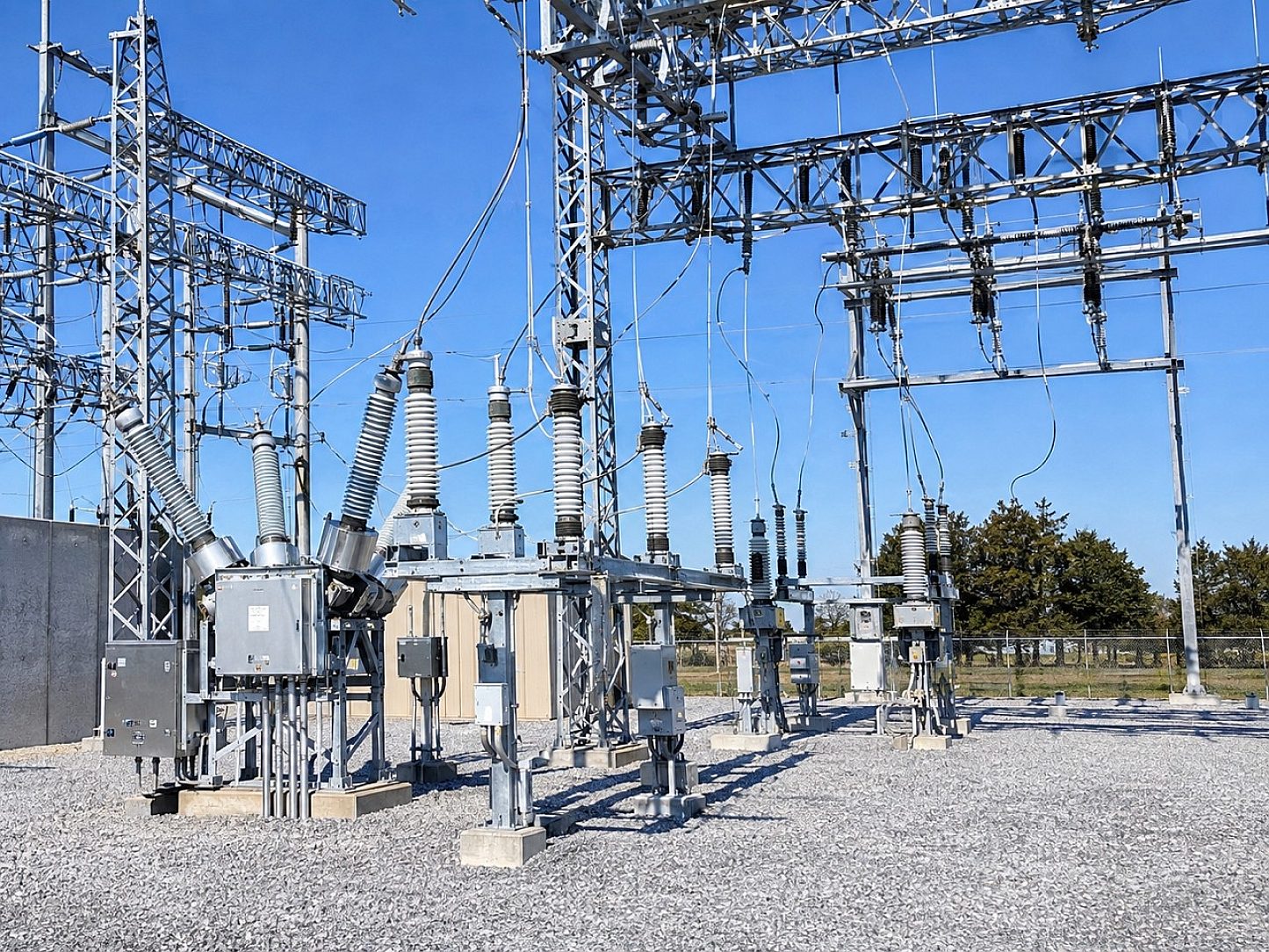
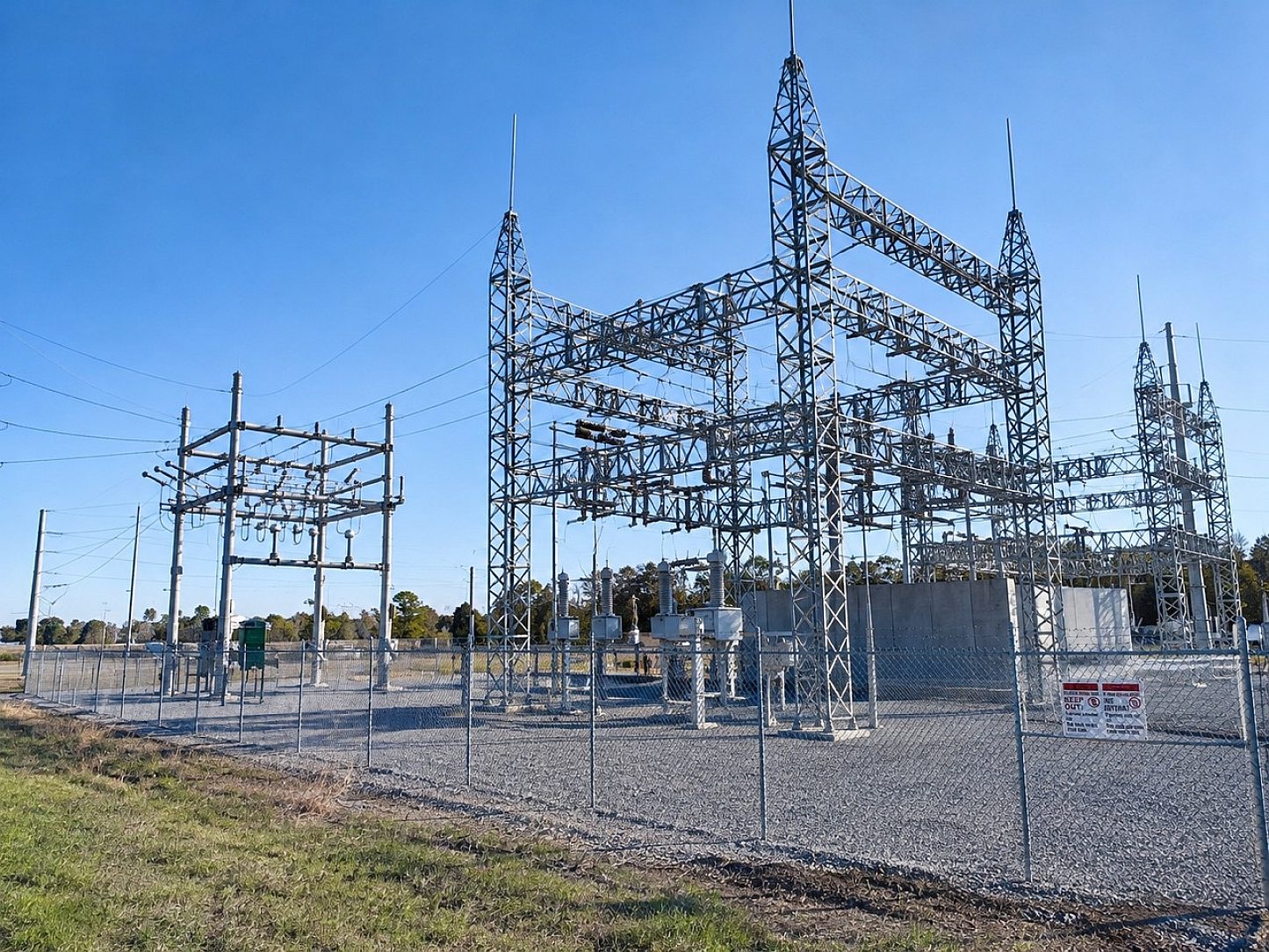
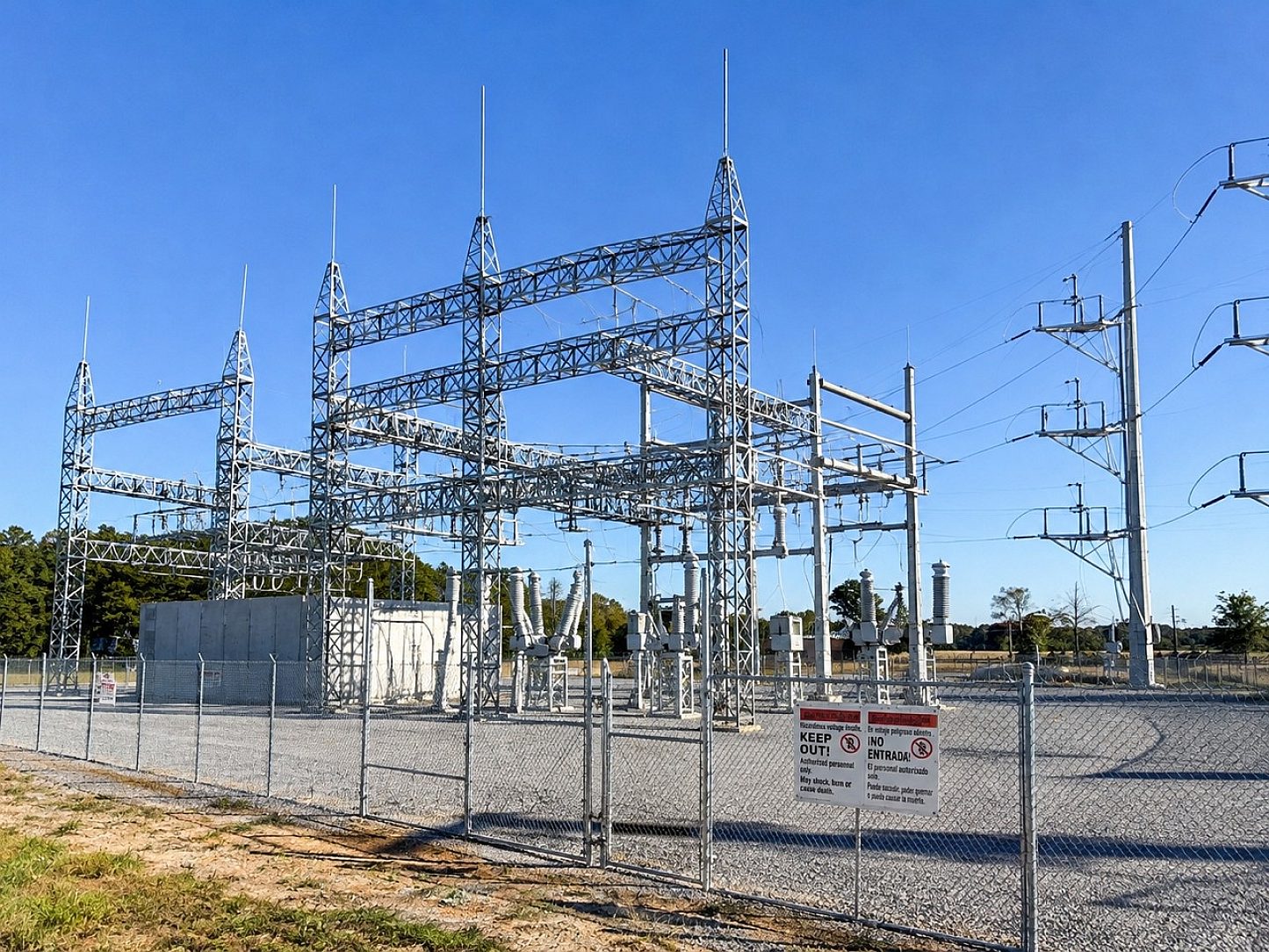
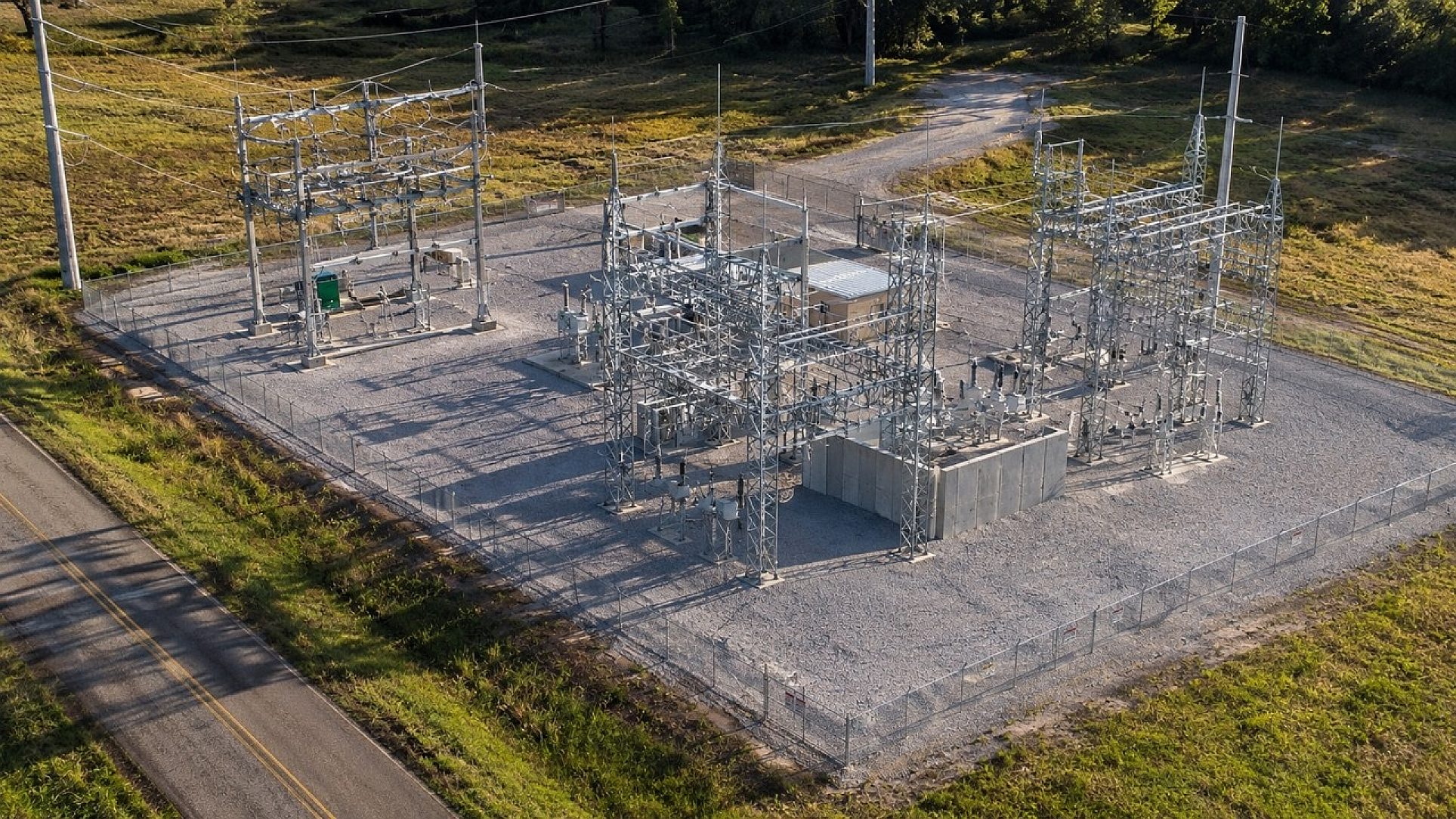
CloseNew electrical substations in rural areas are more than electrical upgrades. They are long-term investments in reliability, capacity, and future growth. By stepping down high-voltage transmission power into distribution levels, a substation delivers stable electricity to homes, farms, commercial operations, and growing industrial development. It reduces outages, prevents voltage drop across long distances, and adds flexibility to the grid. For this 55-ton electrical substation project, Parks Metal Fabrication chose hot-dip galvanizing to protect the fabricated steel, recognizing the importance of long-term corrosion protection, structural integrity, and dependable performance. This decision reflects an investment not only in the quality of the finished project but also in the long-term reliability of the electrical infrastructure it will support.
“Superior corrosion resistance, low maintenance requirements, fast turnaround, and proven field performance make hot-dip galvanizing the gold standard for protecting substation steel.”
With modern monitoring and automation, new substations further strengthen resilience during storms or equipment failures, while enabling renewable-energy integration as rural communities expand. But even the most advanced substation depends on the integrity of the steel it’s built on. Outdoor electrical infrastructure faces constant exposure to moisture, UV radiation, soil contact, chemicals, and temperature swings. Over time, corrosion threatens both the appearance and strength of these critical structures. Components must perform reliably for decades without compromising safety or service continuity. That’s why hot-dip galvanizing is widely regarded as the gold standard for corrosion protection in power-delivery construction. Hot-dip galvanizing creates a metallurgical bond between zinc and steel through full immersion in molten zinc, forming multiple intermetallic layers that shield against rust, abrasion, and weather. Unlike paint systems that sit on the surface, HDG provides complete 360-degree coverage, including edges, crevices, threads, and internal areas where corrosion often begins. Even if scratched or impacted, zinc corrodes sacrificially to protect the underlying steel, continuing to guard against rust rather than allowing it to spread. This makes galvanized steel far more resilient in the demanding environments substations operate in. Longevity is another major advantage. In many climates, galvanized coatings deliver 50–75+ years of service life with minimal maintenance. Instead of relying on periodic inspections, touch-ups, and recoating cycles like paint, galvanized components retain structural thickness over time, preserving steel strength and helping prevent failure-related outages. For substations located in rural East Texas, where maintenance access often requires scheduling, travel, and equipment, having a corrosion protection system that looks after itself is a major advantage. The predictable corrosion rate of zinc also allows utilities to forecast infrastructure lifespan accurately, providing confidence in long-term planning and budgeting. Cost efficiency is equally important in the selection process. While upfront pricing for coating systems may appear similar, the total life-cycle cost of galvanizing is significantly lower. Eliminating future repainting, labor, equipment mobilization, and downtime results in substantial long-term savings. With HDG, the cost is paid once—and the steel remains protected for decades. For Parks Metal Fabrication and its customers, this translates into a reliable return on investment throughout the full life of the substation. The project’s schedule performance is another area where galvanizing brings value. The hot-dip galvanizing process offers efficient processing times with a dip-and-cool cycle that allows for quick processing and predictable turnaround times compared to multi-coat paint systems requiring surface preparation, drying time, and weather-dependent curing. Faster throughput means steel can move from fabrication to galvanizing to installation without unnecessary delays, keeping critical infrastructure projects on track. Hot-dip galvanizing also enhances field durability. The intermetallic layers formed during the process are extremely tough, resisting impact, abrasion, handling damage, and installation wear. This durability is especially important on rural sites where equipment may encounter livestock, vegetation, or rough terrain. A structure that goes in strong and stays strong means fewer headaches later. Sustainability is another factor to consider when using hot-dip galvanized steel for corrosion protection. Zinc is a natural, recyclable material, and galvanized steel can be recycled at end-of-life. Fewer maintenance cycles mean fewer site visits, less fuel usage, reduced chemical waste, and an overall lower environmental impact, aligning well with modern utility environmental, social, and governance goals. For these reasons superior corrosion resistance, long-term structural protection, lower maintenance costs, efficient turnaround, sustainability, and proven field performance, hot-dip galvanizing is a smart investment in the reliability and longevity of rural substations. By choosing hot-dip galvanizing for this substation, Parks Metal Fabrication demonstrates its commitment to delivering quality fabricated steel and long-term value to its customers. The decision ensures that the steel supporting critical power infrastructure is protected against the elements and built to remain strong, safe, and cost-effective for decades to come.
Details
Award Class
Newly Complete
Award Sectors
Electrical, Utility & Communication
Environment
Rural
Location
DeBerry, TX United States
Reasons for Galvanizing
Coating Durability, Corrosion Performance, Life-Cycle Cost, Prior HDG Experience, Quality of HDG, Sustainability, Turnaround Time
Components Galvanized
Steel lattice structures, crossbeams and horizontal supports, support frames and stands
Tonnage/Size
Steel: 55
HDG: 55
Thank you! Your vote has been accepted.