
Menu • Quick Links • Search
Login
CloseImagine a major hurricane striking a remote coastal region where the local airport infrastructure has been heavily damaged. Relief aircraft carrying medical supplies, rescue teams, food, and communications equipment begin arriving almost immediately, but without a functioning control tower, coordinating air traffic becomes a critical challenge. Within hours, a mobile air traffic control tower is transported to the site, elevated into position, powered up, and fully operational, helping restore safe and organized aircraft movement in an environment where reliability is essential and conditions remain unpredictable.
These transportable systems are frequently deployed in remote regions where routine maintenance and recoating may be difficult or impractical. The metallurgical bond formed during hot-dip galvanizing creates a durable protective barrier that helps safeguard critical structural components during repeated deployment cycles and extended field use.
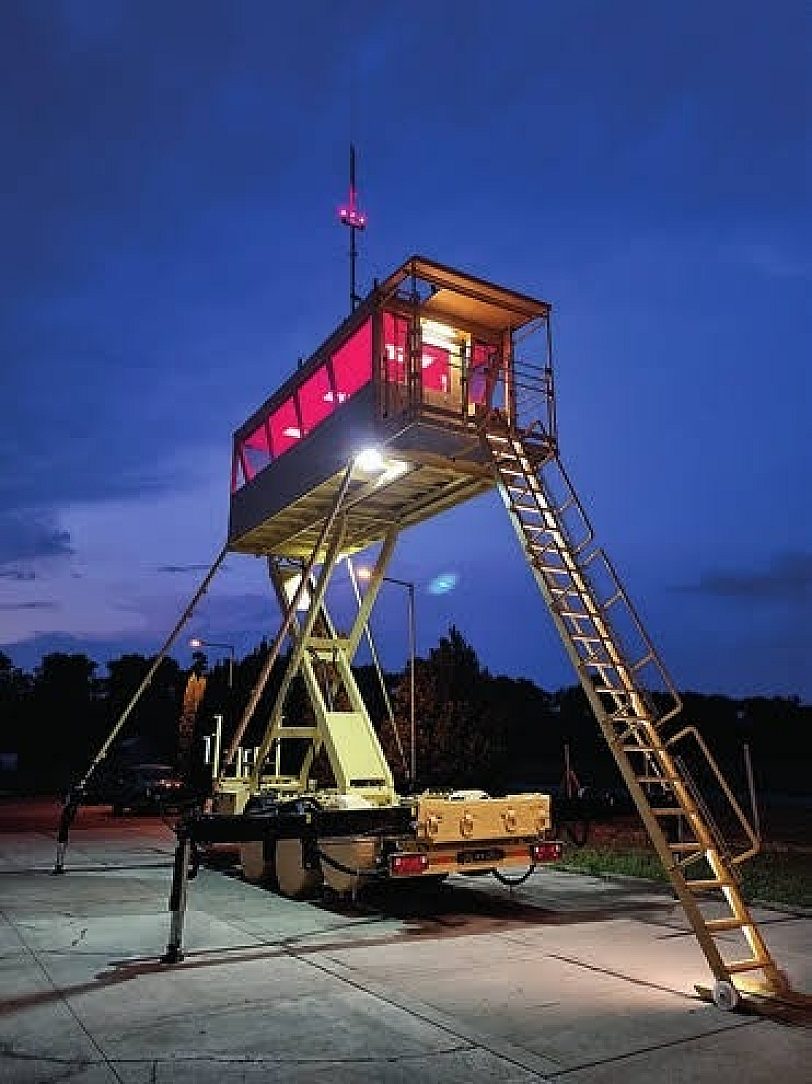
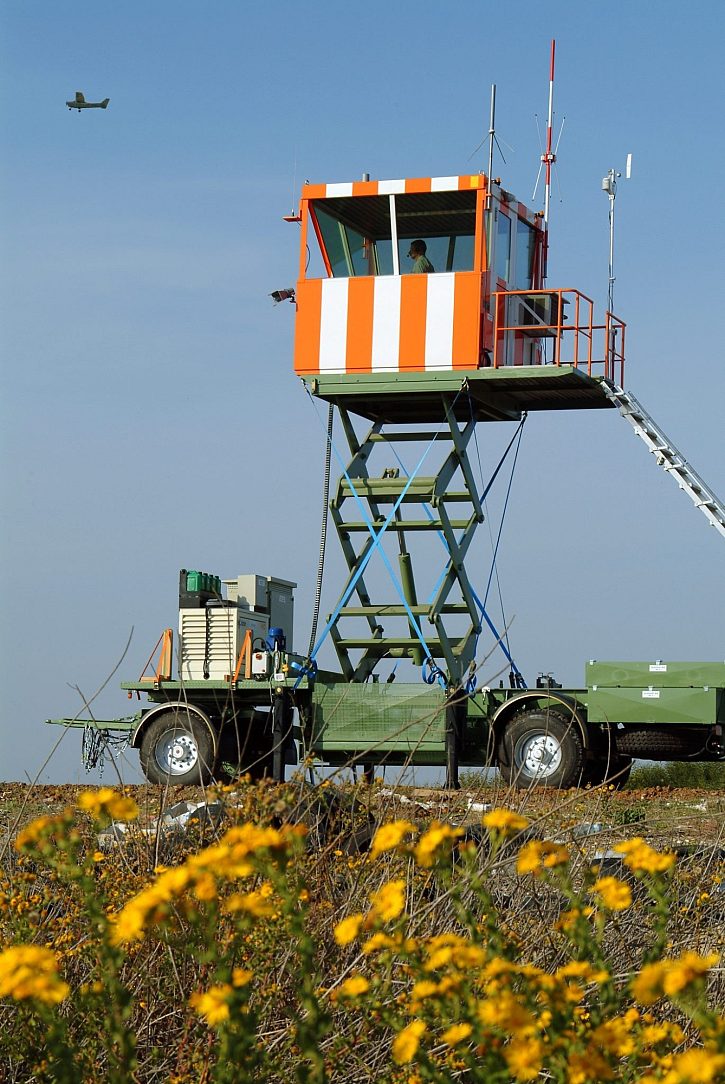
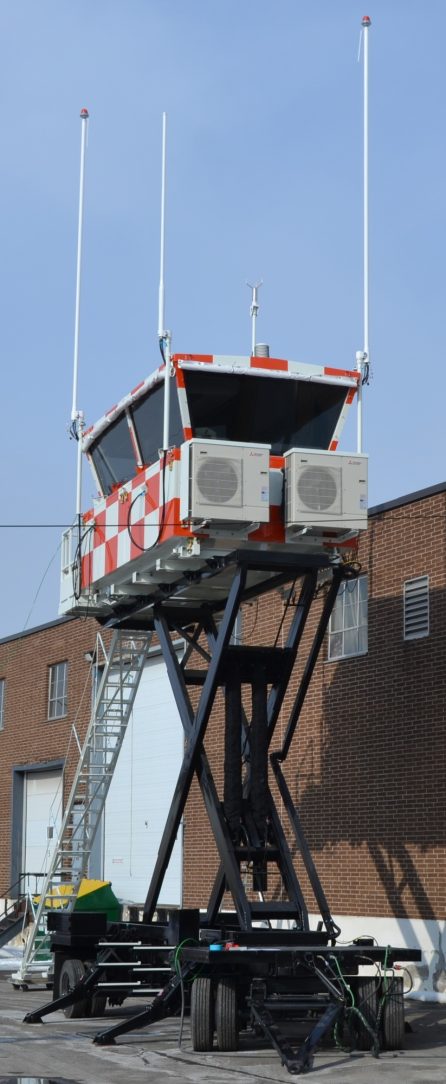
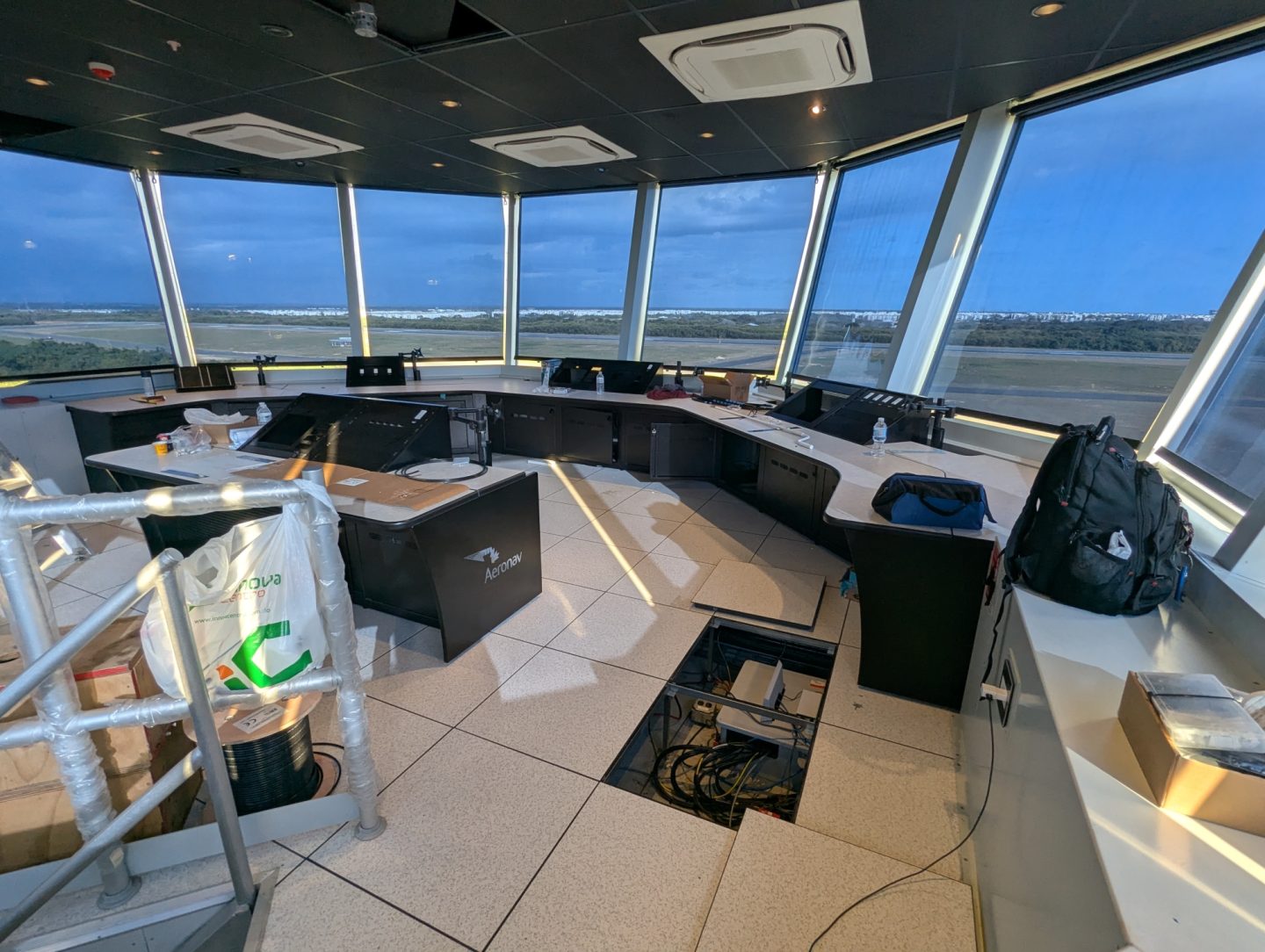
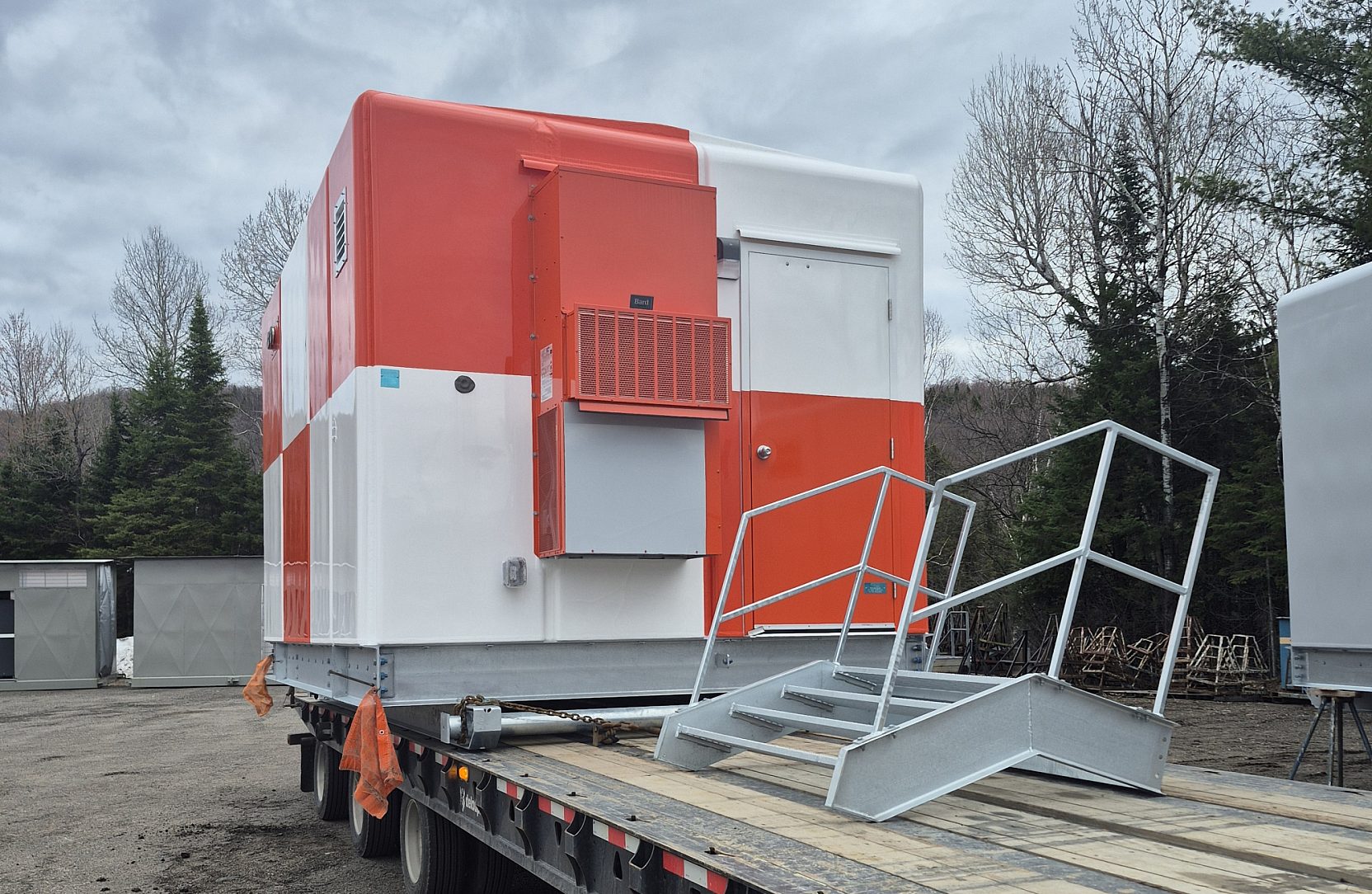
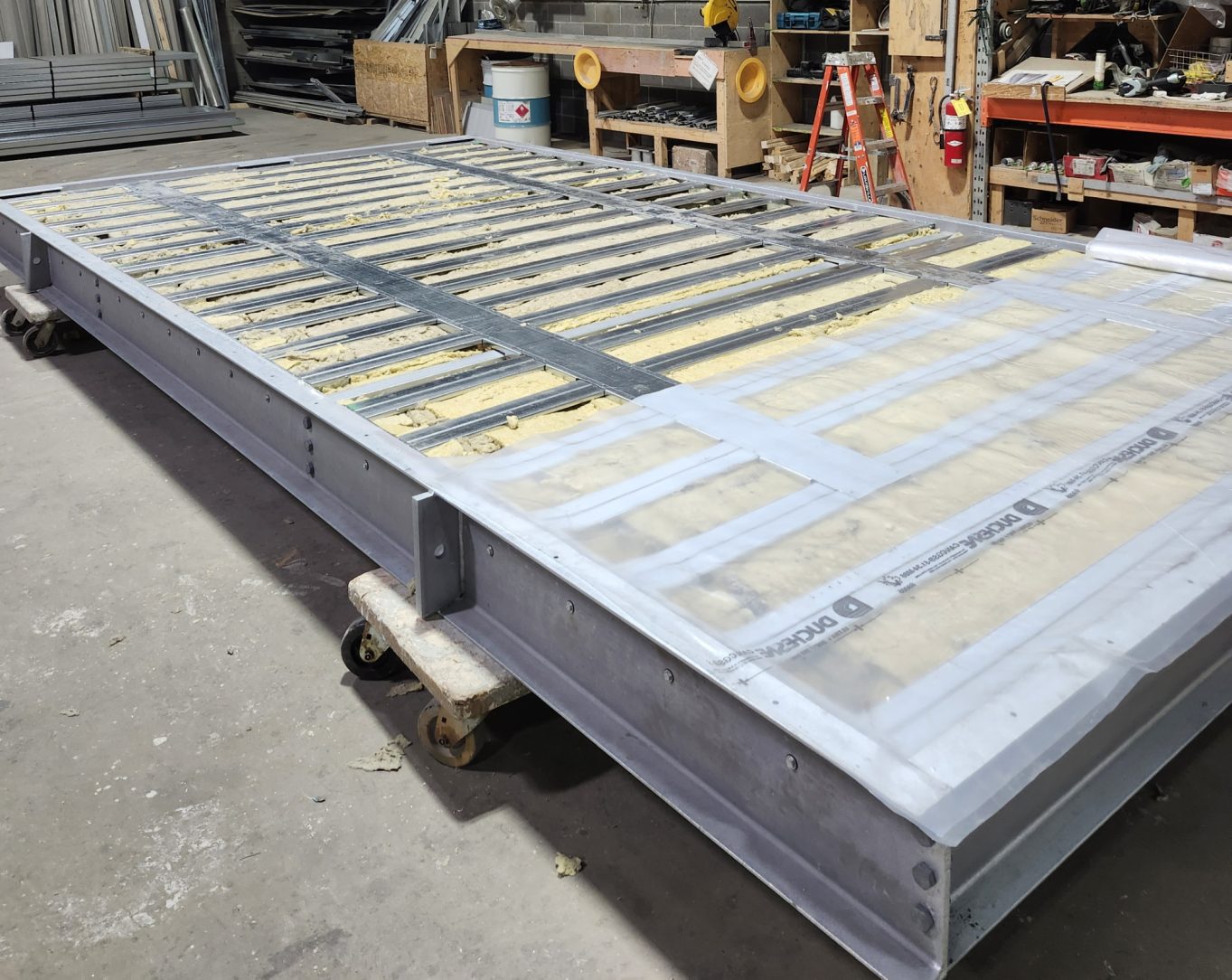
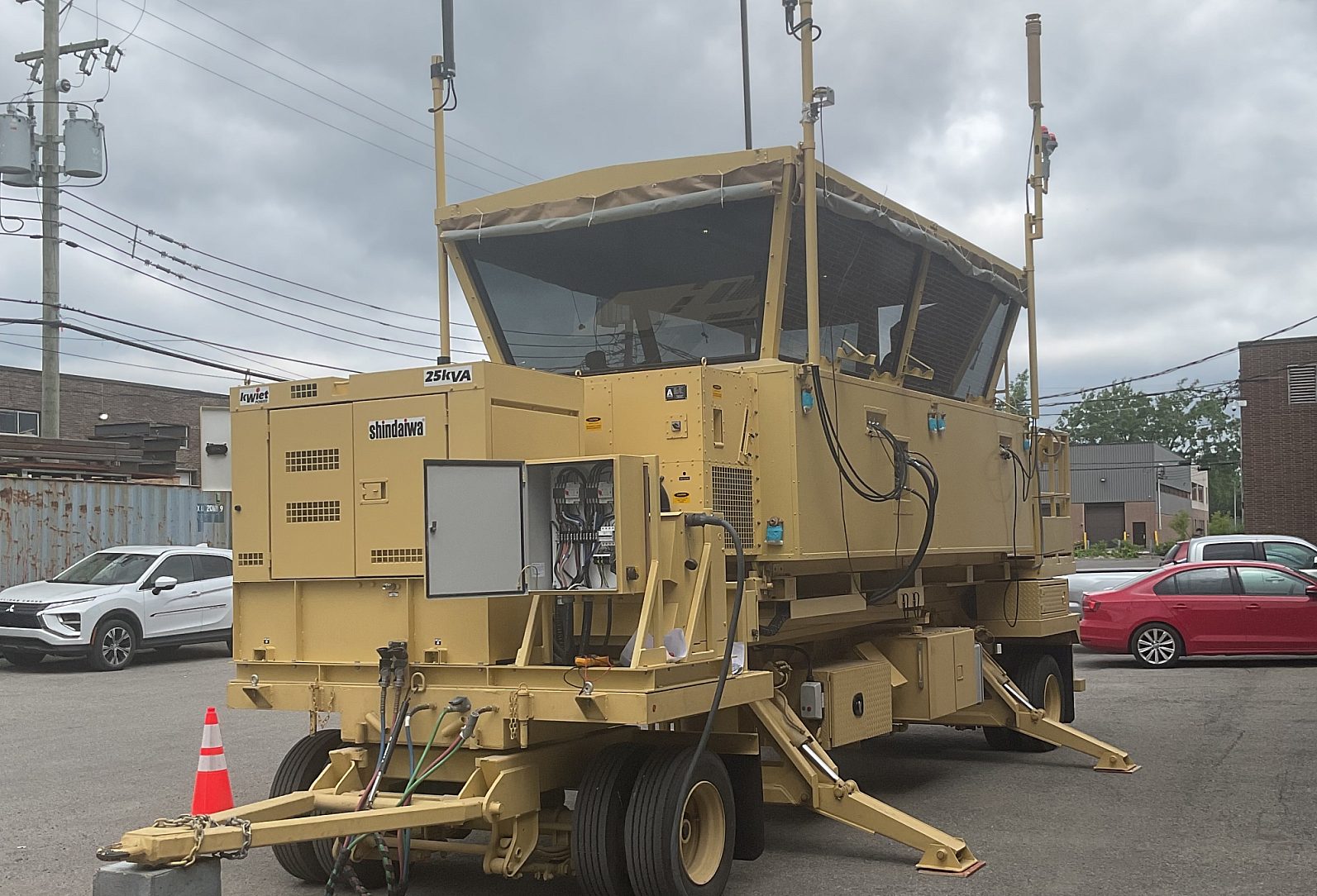
This is one example of the demanding real-world scenarios mobile and transportable air traffic control tower systems are designed to support. Developed by Canadian aerospace company Aeronav Group, the systems provide rapidly deployable aviation infrastructure for military operations, disaster relief efforts, tactical deployments, temporary airport operations, and aviation training exercises. Designed for global use across North America, Africa, Asia, South America, the Caribbean, and the Middle East, the compact, self-contained systems are engineered for operational flexibility and dependable performance in extreme environmental conditions. The transportable towers can be mounted on trailers, vehicles, containers, or existing structures depending on operational requirements. Each system integrates sophisticated aviation technology, including radio communications systems, radar displays, meteorological systems, airfield lighting controls, navigational aid monitoring systems, and controller workstations. Because these systems are routinely transported, elevated, exposed to severe weather, and expected to operate reliably in remote locations, durability was a critical design requirement for the structural components. Hot-dip galvanized steel was selected to protect the platform, trailer assemblies, lifting mechanisms, support structures, and other exposed steel elements from corrosion during long-term service in challenging environments. The galvanizing process provided a rugged, maintenance-minimizing coating capable of withstanding transportation, handling, outdoor exposure, and harsh climates ranging from coastal humidity to desert heat. For equipment intended to operate globally and remain mission-ready with minimal maintenance requirements, corrosion protection was essential to ensuring long-term reliability and reduced lifecycle costs. In addition to corrosion resistance, galvanized steel supported the project’s mobility and operational readiness objectives. These transportable systems are frequently deployed in remote regions where routine maintenance and recoating may be difficult or impractical. The metallurgical bond formed during hot-dip galvanizing creates a durable protective barrier that helps safeguard critical structural components during repeated deployment cycles and extended field use. The versatility of the tower systems further demonstrates the adaptability of galvanized steel in highly specialized infrastructure applications. Configurations range from trailer-mounted and vehicle-mounted systems to container-based and fixed-structure installations. Depending on the operational requirements, units may also incorporate integrated offices, equipment rooms, washrooms, elevated high-lift systems, and mobile generator systems to support fully self-contained field operations. Each system is engineered to maintain structural integrity and operational reliability while supporting sensitive air traffic control equipment in demanding field conditions. This project highlights how hot-dip galvanizing contributes to the reliability and longevity of critical aviation infrastructure beyond traditional airport construction. By combining mobility, advanced aerospace technology, and durable corrosion protection, these mobile air traffic control towers provide a flexible solution for modern aviation operations around the world.
Details
Award Class
Newly Complete
Award Sectors
Original Equipment Manufacturing
Transportation
Environment
Industrial/Urban
Location
Montreal, QC Canada
Reasons for Galvanizing
Coating Durability, Corrosion Performance, Life-Cycle Cost, Prior HDG Experience, Quality of HDG
Components Galvanized
Platform, trailer assemblies, lifting mechanisms, support structures
Tonnage/Size
Steel: 2
HDG: 2
Thank you! Your vote has been accepted.